
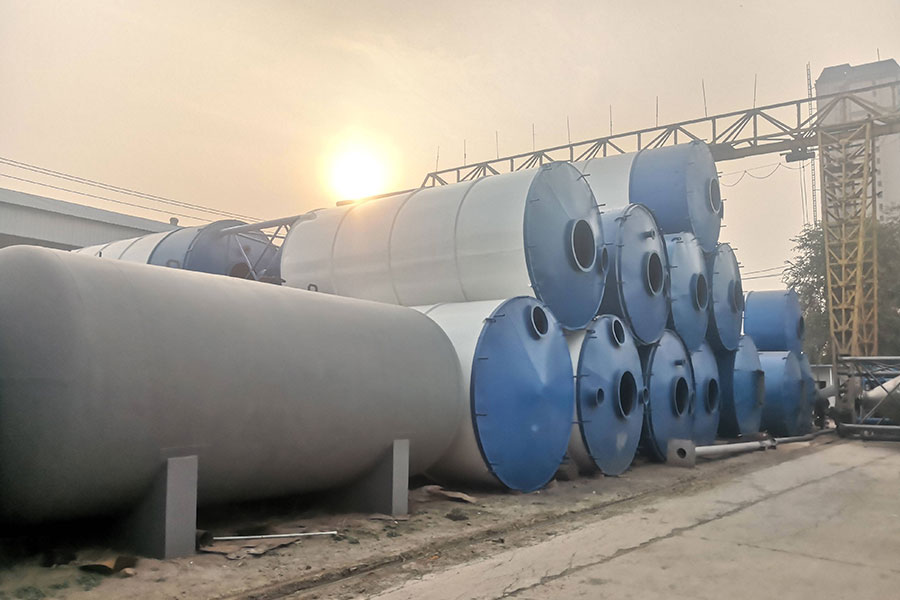
Application Scenarios of Cement Silos: Vertical vs. Horizontal
In construction and infrastructure projects, cement silos play a critical role in storing powdered materials such as cement and fly ash. Their structural design directly affects storage efficiency, site layout, and operational convenience. Among the available options, vertical and horizontal cement silos are the two most common types, each serving different application needs.
Vertical Cement Silos: Maximizing Space Efficiency
Vertical cement silos feature a tall, cylindrical structure and excel at efficient land use. By utilizing vertical space, they provide large storage capacity while occupying a minimal footprint. For this reason, contractors often choose vertical silos for urban construction sites and ready-mixed concrete plants where space is limited.
In addition, manufacturers typically equip vertical cement silos with dust collection systems and level indicators. These features help control dust emissions and allow operators to monitor material levels in real time. Thanks to their relatively light weight and straightforward installation, vertical cement silos also suit temporary projects or sites that require frequent relocation.
Horizontal Cement Silos: Stability and Large-Capacity Storage
By contrast, horizontal cement silos rest on the ground in a horizontal orientation, usually with a cylindrical or box-type structure. This design gives them excellent stability, especially on uneven or soft ground. As a result, they perform well in large-scale construction projects and long-term storage applications.
Moreover, horizontal cement silos offer flexible inlet and outlet configurations, making it easy to connect them with screw conveyors, pneumatic systems, or other conveying equipment. Their robust structure and strong durability allow them to operate reliably in harsh environments, which makes them ideal for continuous, heavy-duty use.
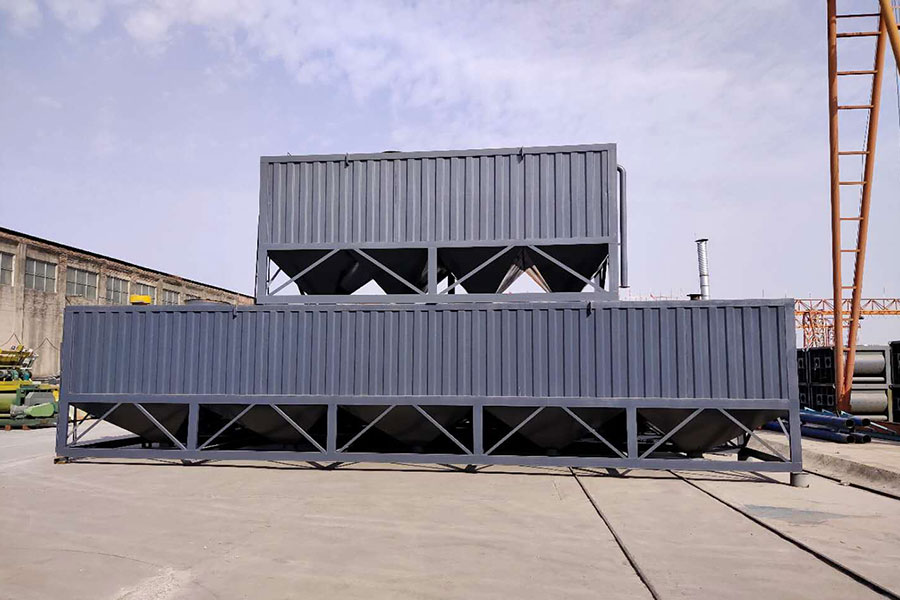
Application scenarios of cement silos-Differences in Application Scenarios
In practical applications, contractors typically use vertical cement silos in urban job sites, commercial concrete batching plants, and projects that require mobility and fast installation. On the other hand, horizontal cement silos better serve large infrastructure projects—such as highways, bridges, and water conservancy works—where high storage capacity, long-term operation, and strong stability are essential.