
Stationary concrete batching plant
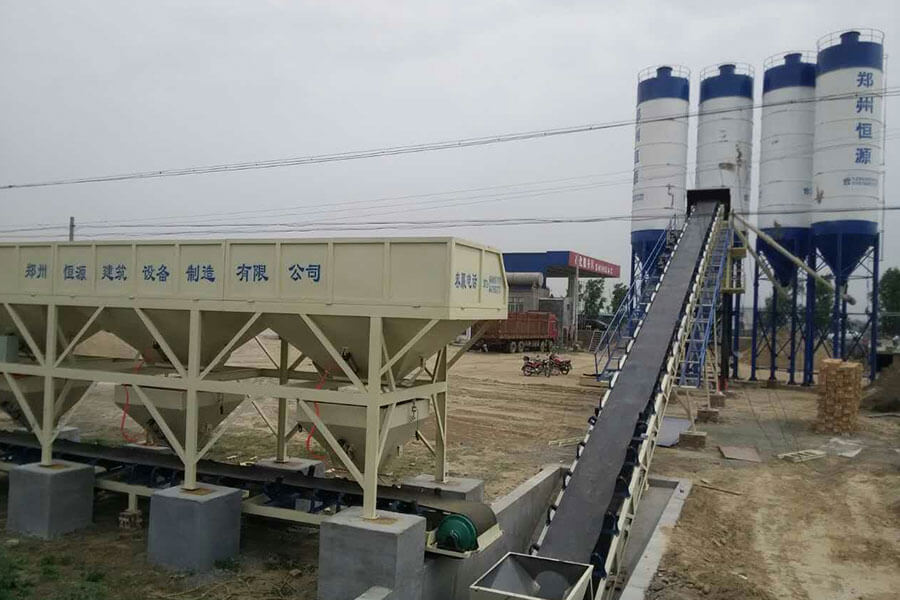
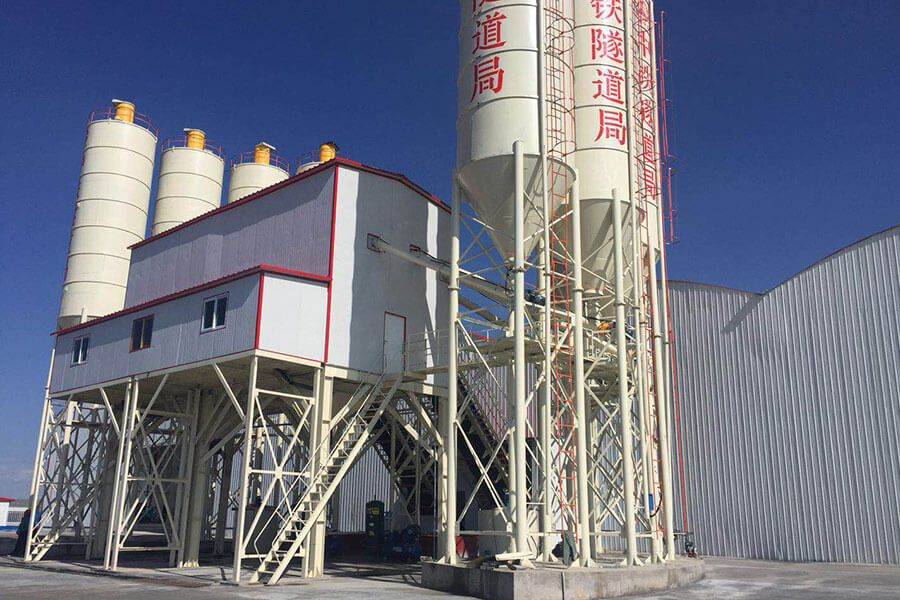
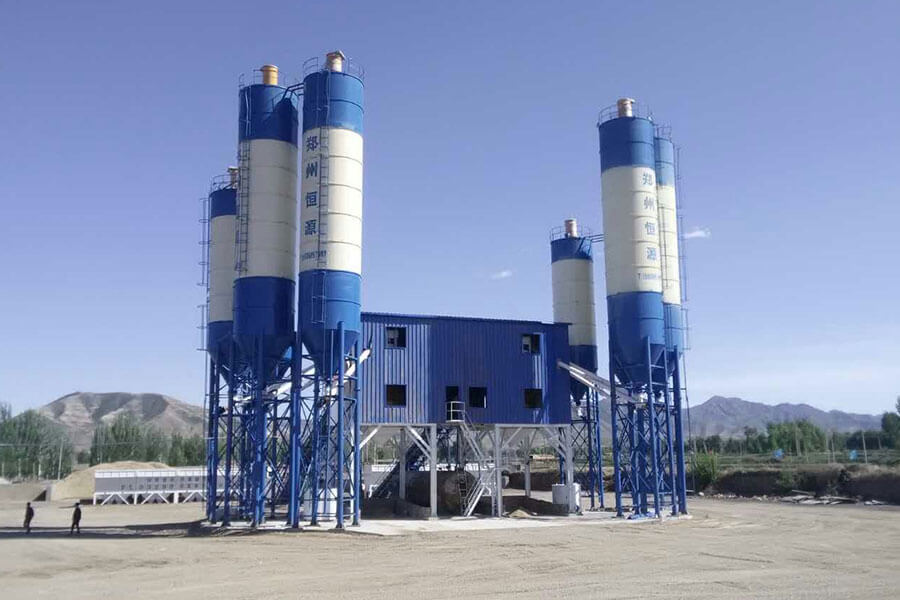
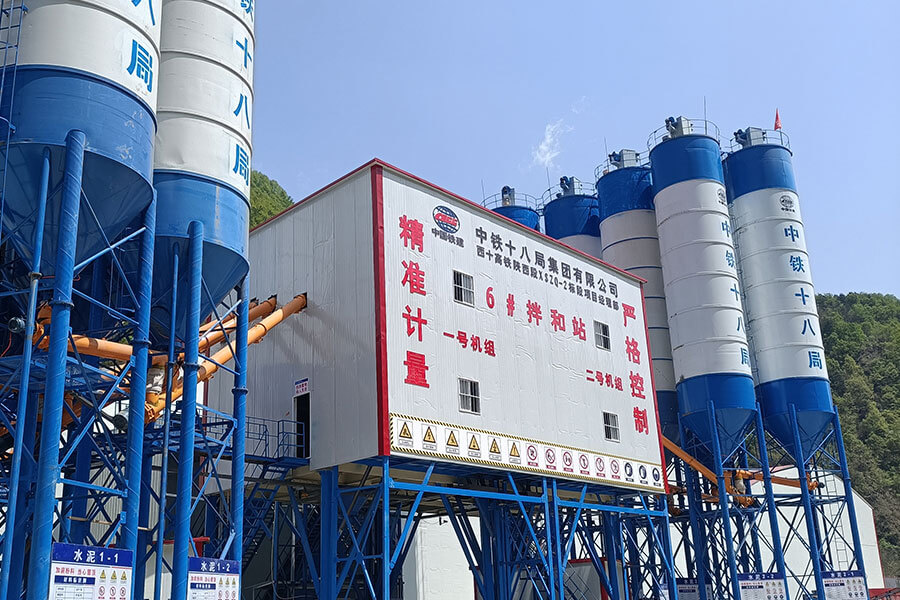
A stationary concrete batching plant is a large-scale concrete production equipment installed at a specific location for a long time to meet the needs of continuous and efficient concrete production, especially in large-scale infrastructure and precast concrete production.
A stationary concrete batching plant is an integrated production equipment. It includes key components such as cement silos, mixers, aggregate silos, and a feeding system. That is suitable for high-standard, high-volume concrete production scenarios, including but not limited to road construction, water conservancy facilities, airport construction, and other engineering projects with extremely high concrete quality requirements. It is also suitable for producing various specialized concrete products, such as reinforced concrete, concrete products, and precast components.
Types of stationary concrete batching plants
According to the different feeding methods, it can be divided into belt-type concrete batching plant and hopper-type concrete batching plant. According to the different appearance and fixing methods, it can be divided into with-foundation concrete batching plant and container-type concrete batching plant.
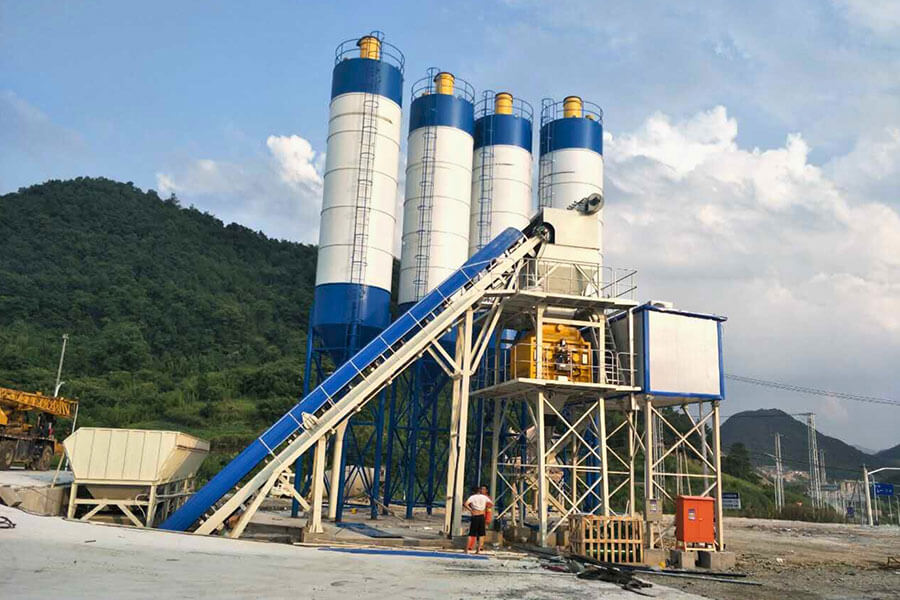
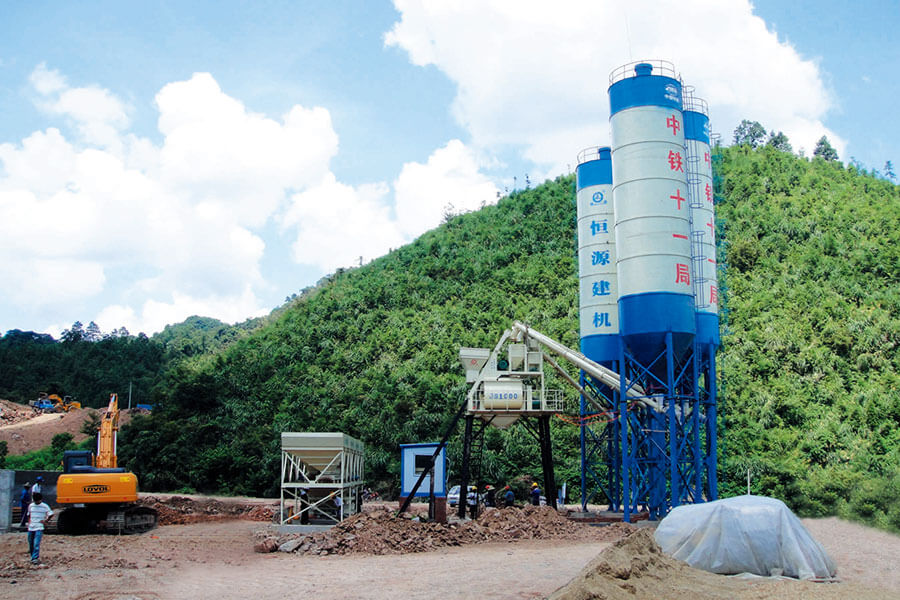
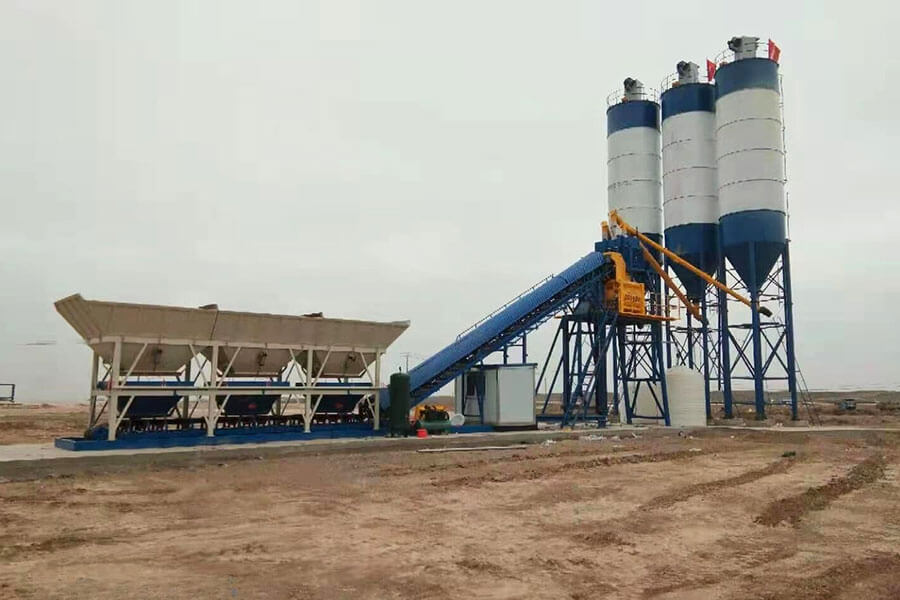
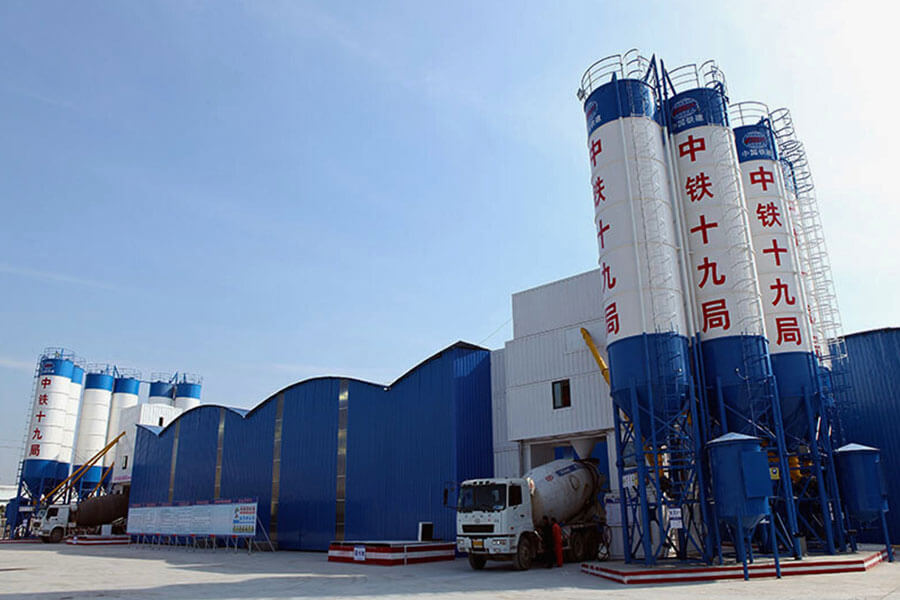
Different capacity of stationary concrete batching plants
The specifications of a fixed concrete batching plant usually refer to its theoretical production capacity per hour. Common specifications include HZS60, HZS75, HZS90, HZS120, HZS150, HZS180, HZS240, HZS270, etc.
These numbers represent the theoretical maximum production capacity of the mixing plant per hour. The larger the number, the greater the production capacity.
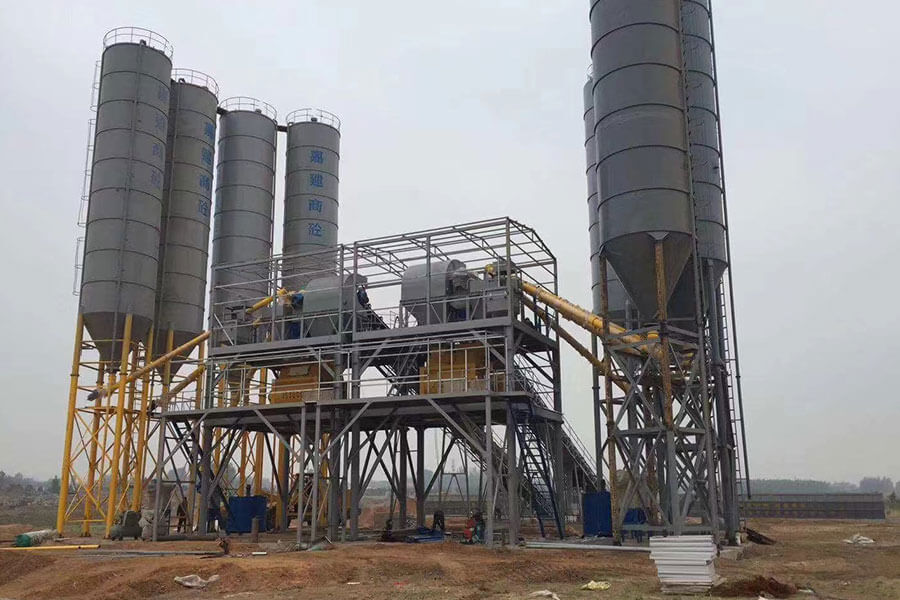
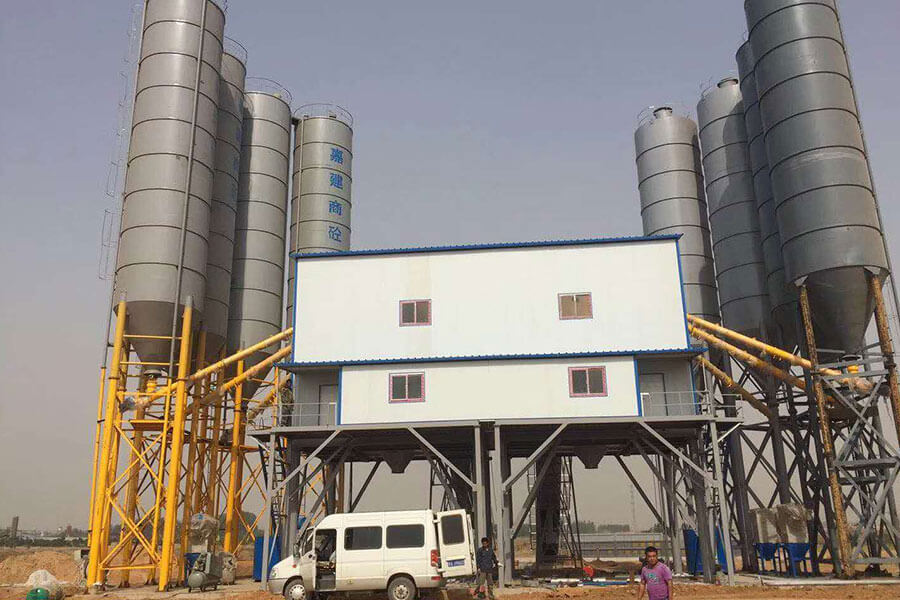
Working process stationary concrete batching plants
First, the operator loads raw materials such as cement, sand, and aggregates into the batching machine according to the specified ratio. After that, the batching machine accurately weighs and measures these materials. It then transfers the batched materials to the concrete mixer via a belt conveyor. The concrete mixer then blends them evenly. Finally, a belt conveyor or screw conveyor transports the mixed concrete to a mixer truck or concrete pump for on-site construction operations.
Components of stationary concrete batching plants
Aggregate batching machine: used to store various small stones and sand required for concrete.
Cement silo: a tall tank filled with cement powder, used to store bulk cement.
Mixer: a double-shaft mixer is used to ensure that the raw materials are fully mixed.
Control system: including PLC, touch screen, etc., to achieve automatic control of the entire mixing process.
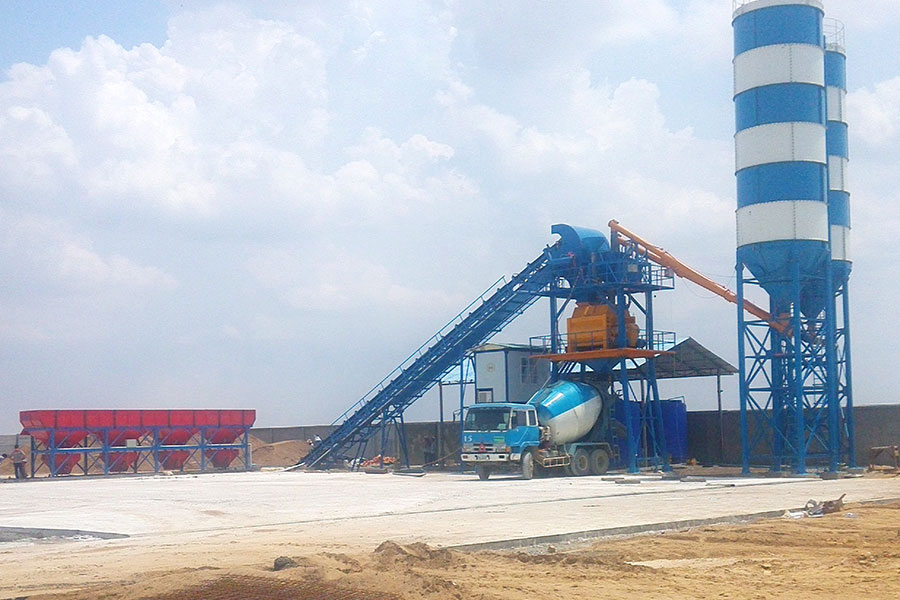
batching machine
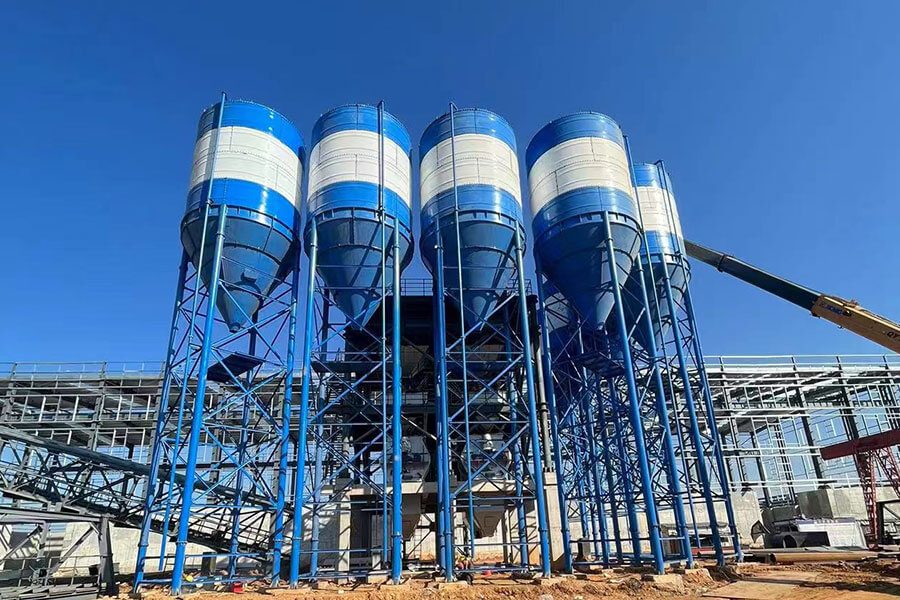
Cement silo
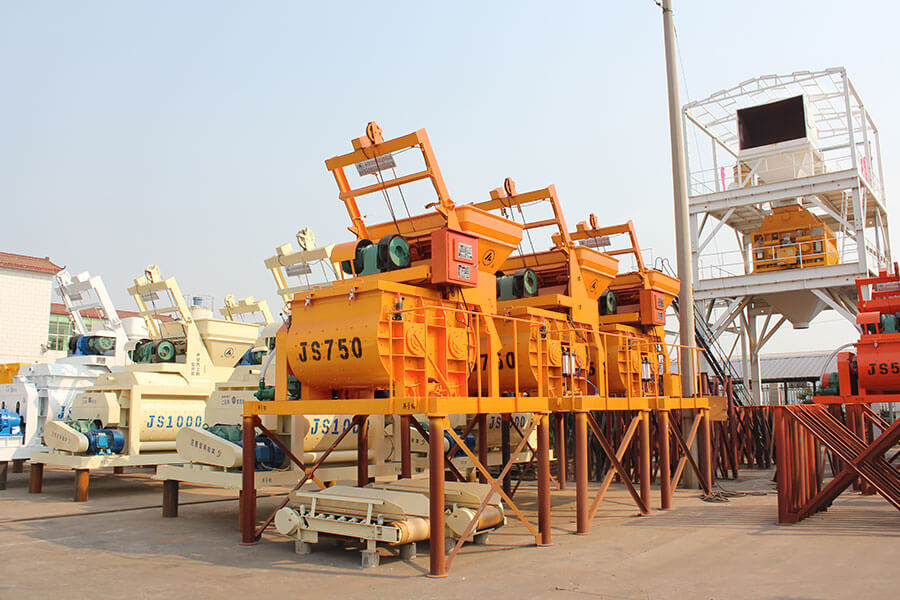
concrete Mixer
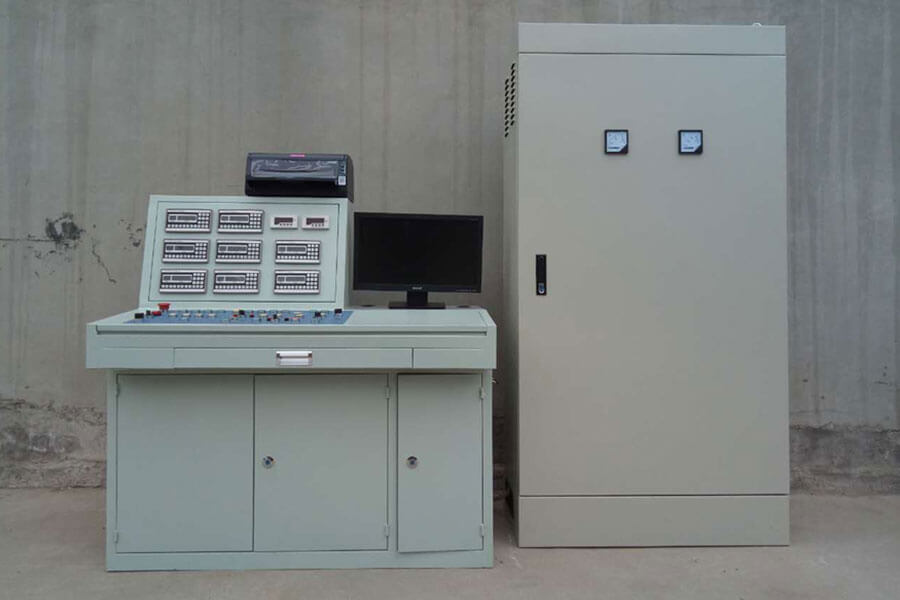
Control system
Advantages of stationary concrete batching plants
High Capacity: Stationary concrete batching plants can meet the concrete needs of large-scale construction projects.
Flexible Configuration: Customizable to meet user requirements.
High Reliability: Utilizes advanced technology and components to ensure stable production.
Long Service Life: Employs high-quality materials and components for a long service life.
High Efficiency: High degree of automation and high production efficiency.
Convenient Maintenance: Rational design for easy maintenance.
Are you ready to start your project?
As a professional construction machinery manufacturer, Henan Hengyuan not only has a professional technical team, but also has excellent machinery quality. The construction machinery equipment produced by Henan Hengyuan welcomes customers from all over the world to purchase.
1.We will recommend the corresponding machine to you according to your production needs.
2.We will calculate the site and factory area according to your production requirements and give you factory construction suggestions.
3.Our professional technical engineers will draw professional installation plans and machine layout drawings for you.
4.If you encounter any problems during production, we will send professional engineers to connect via video or solve them on site.
Planning a stationary plant for long-term production
A stationary concrete batching plant should be planned around the full operating period, not only the first pour. Long-term projects benefit from stable foundations, sufficient aggregate storage, reliable cement supply, clear truck circulation and service access that remains usable after the plant is enclosed or expanded.
Buyers should confirm average and peak output, concrete grades, aggregate sizes, cement delivery method, power supply and available site area. A plant selected for a short construction phase may have a different configuration from a commercial ready-mix yard expected to operate for many years.
Verify structural components before ordering
The structural review should include the main frame, mixer platform, aggregate bins, weighing hoppers, conveyor supports, cement silos, screw conveyors, discharge equipment and control room. Each component should be accessible for inspection, cleaning, calibration and replacement of wear parts.
Useful specification details include mixer type, batch size, aggregate bin volume, cement silo capacity, weighing method, automation level and electrical standards. These details make it easier to compare quotations on the same scope.
Automation, maintenance and future expansion
Automation can improve repeatability and records, but it should match the operating team and local support conditions. Reserve space for maintenance around the mixer, valves, sensors, electrical cabinets and conveyors. If production may grow, plan aggregate storage, silo capacity and control-system capacity before the foundation is built.
Project teams can review service support or contact Henan Hengyuan with the planned production schedule.
Stationary Concrete Batching Plant FAQ
What is the Stationary Concrete Batching Plant used for?
The Stationary Concrete Batching Plant is suited to commercial concrete production, infrastructure work, bridge and road projects, and job sites that need stable batching and accurate material weighing.
What capacity or configuration should buyers check for the Stationary Concrete Batching Plant?
The Stationary Concrete Batching Plant page lists model-specific capacity and configuration details. Buyers should confirm the required output, working hours, material supply, and site conditions before final selection.
How should buyers choose the Stationary Concrete Batching Plant?
Buyers comparing the Stationary Concrete Batching Plant should check its capacity, installation conditions, power supply, maintenance access, and matching equipment against the project requirements before ordering.
What support should be confirmed before purchasing the Stationary Concrete Batching Plant?
Buyers should confirm the installation requirements, power supply, documentation, spare parts, and after-sales arrangements for the Stationary Concrete Batching Plant before ordering.
Get ready to contact us
If you are ready to start your project, please contact us immediately. Tell us your needs and we will provide you with the most suitable production plan and quotation.
Stationary Concrete Batching Plant Selection Facts
A stationary concrete batching plant is designed for stable, long-term and higher-volume concrete production where the plant remains installed at one site.
- Best for
- Ready-mix producers, precast yards and large infrastructure projects with continuous concrete demand.
- Key configuration
- Aggregate batching system, concrete mixer, cement silo, screw conveyor, weighing system, control room and discharge system.
- Buyer questions
- Target output per hour, mixer model, aggregate bins, silo quantity, foundation layout, installation schedule and local voltage requirements.