
Diesel Engine Powered Concrete Pump
This page introduces diesel engine powered concrete pumps for delivering already mixed concrete through a pipeline. It lists HBTS40, HBTS50, HBTS60, HBTS80 and HBTS90 options. Compare the required placing rate, pipeline route and engine configuration before selecting a model.
Diesel drive is an option to evaluate where a suitable mains connection is limited. Confirm the requirements of controls, starting equipment and any auxiliary devices rather than assuming the complete supplied package needs no electrical arrangements. If on-site mixing is also required, compare the diesel concrete mixer pump range.
Applications and Site Requirements
For building, road, bridge or other concrete-placement work, describe the pour location, concrete supply and full pipeline route. For diesel drive, include fuel supply, engine service access and site restrictions on exhaust, ventilation and noise. Suitability for enclosed or underground work should be reviewed for the actual site, not inferred from the project category.
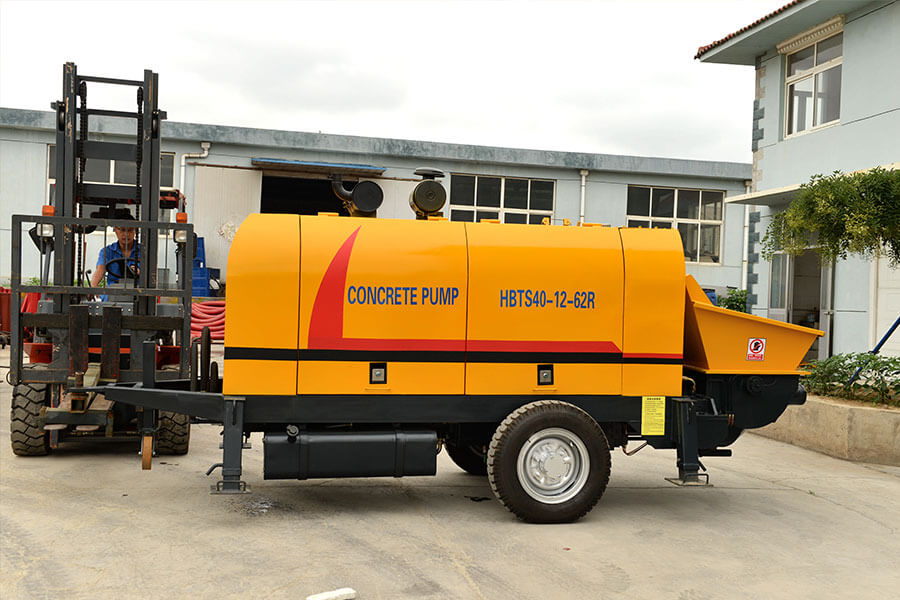
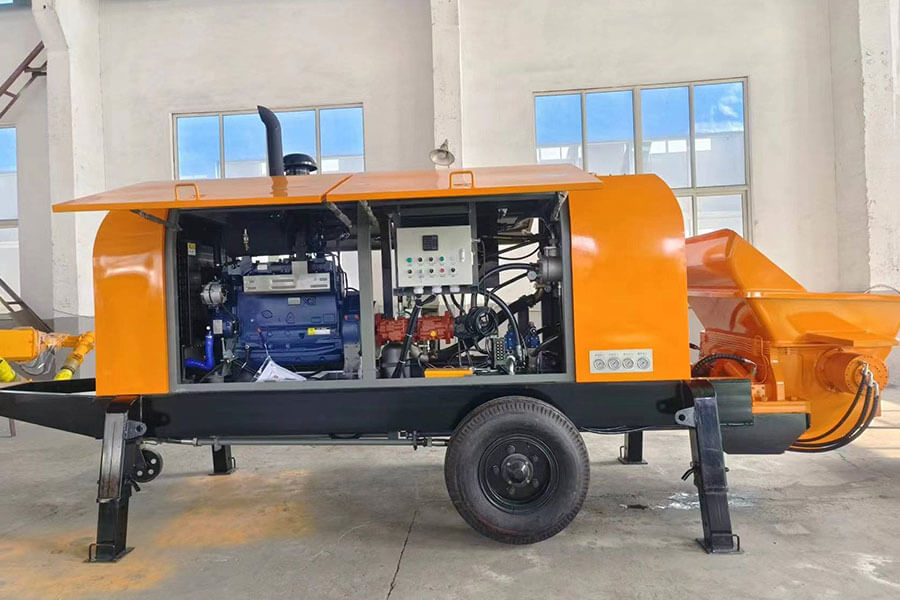
Compare HBTS Diesel Pump Models
Use the five model pages and their existing reference-table entries to prepare a shortlist. The table below compares output, pressure and engine-power entries without ranking the models by guaranteed site performance. Open each model for its full reference specifications and confirmation notes.
What changes between models? The existing pages list engine power of 66 kW for HBTS40, 82 kW for HBTS50, 129 kW for HBTS60, and 176 kW for both HBTS80 and HBTS90. The HBTS80 and HBTS90 hopper entries are 600 L and 800 L respectively, with listed weights of 6500 kg and 6800 kg. Confirm the supplied engine, pumping assembly, shipping weight and loading arrangements; sharing an engine-power entry does not make the configurations interchangeable.
Reference entries, not a performance guarantee: the comparison below reproduces entries from the linked model pages. These entries have not been independently verified against the equipment offered for your order. For slash-separated output and pressure entries, confirm the meaning, order and operating conditions; do not pair the values or assume a high-/low-pressure mode. Ask for the output available at the pressure required for your concrete mix and complete delivery line. Pumping distances are intentionally omitted because the source tables’ distance units and test conditions still need confirmation.
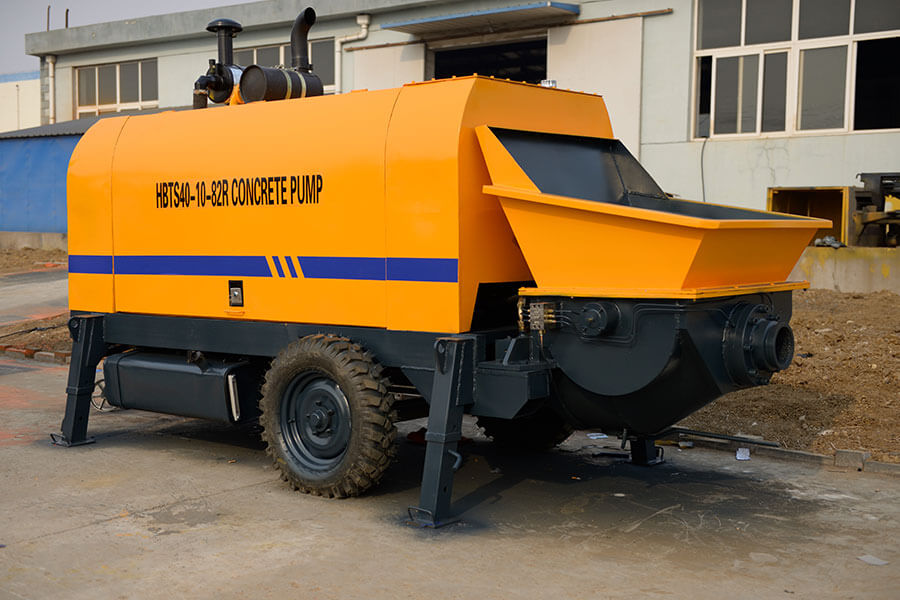
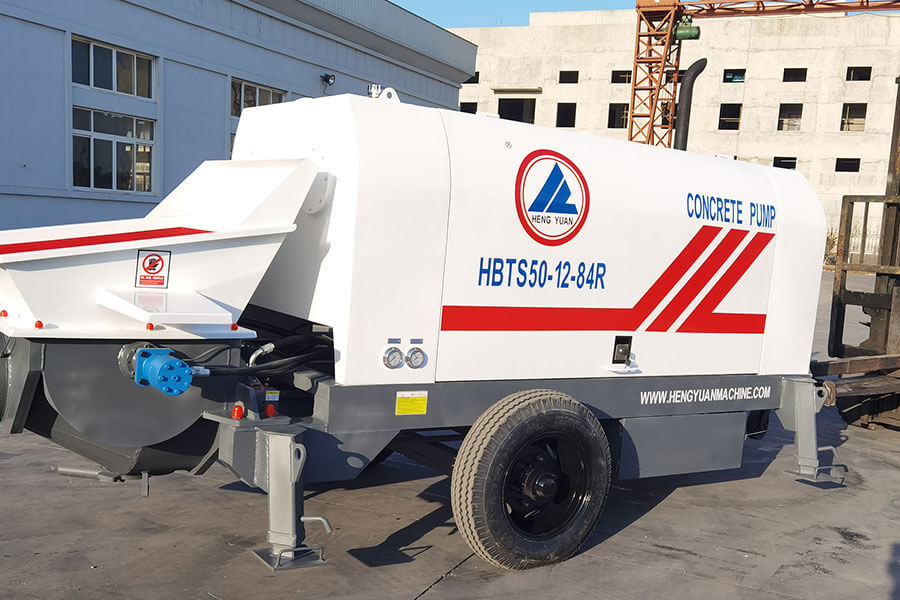
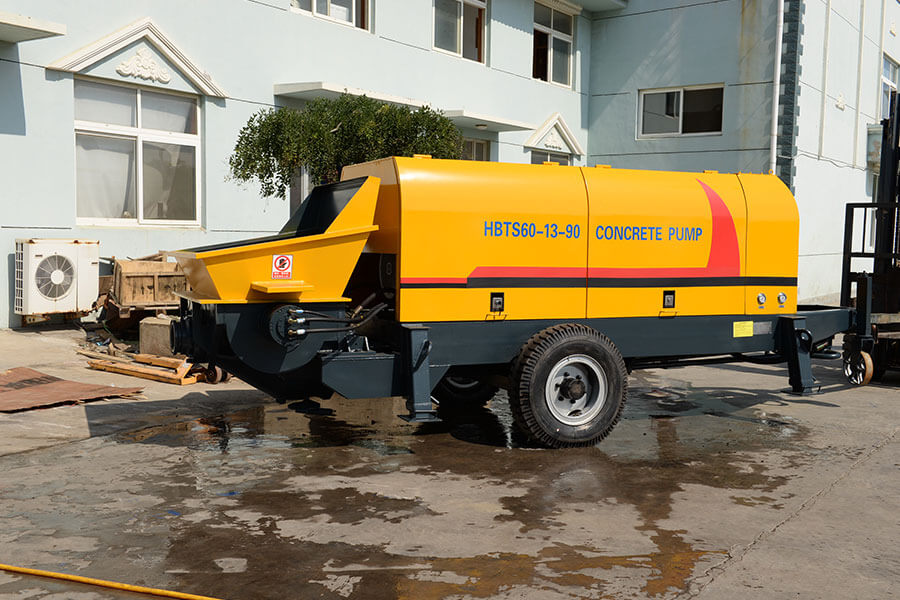
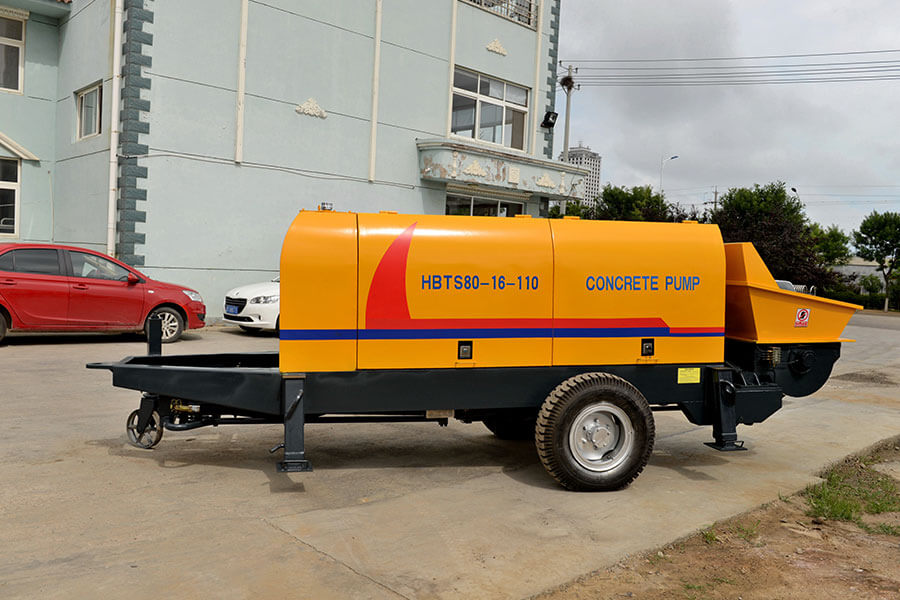
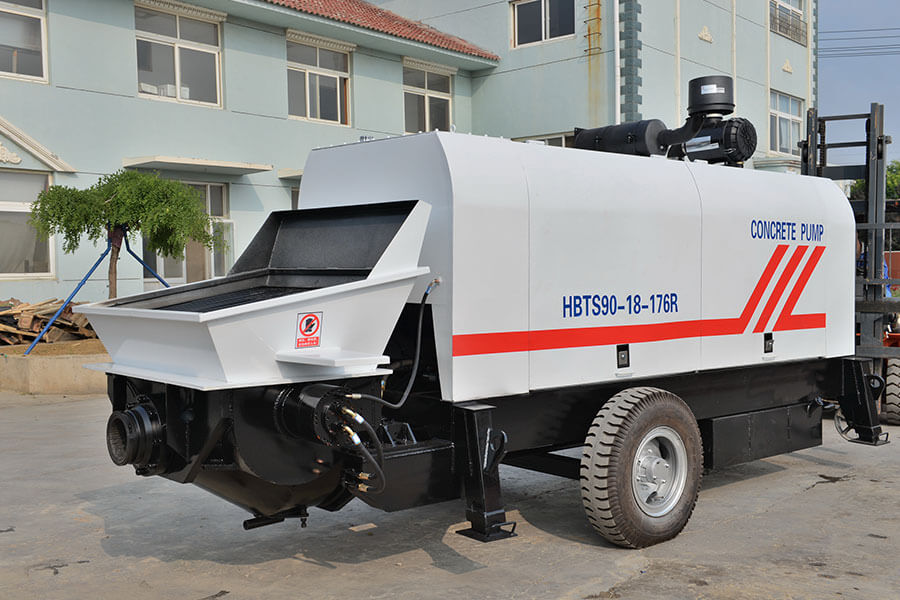
Concrete Supply and Pumping Process
Plan the supply of already mixed concrete to the receiving hopper, the proposed delivery line and the placing crew at the discharge point. The existing product description identifies a diesel-driven hydraulic pumping system; request the actual pumping assembly and valve arrangement in the model documentation. Coordinate concrete supply with the intended placing rate instead of treating theoretical output as a guaranteed pour schedule.
Configuration and Delivery Scope
For a diesel-drive quotation, confirm the engine make and model, rated power, starting arrangement, controls, hydraulic and lubrication systems, cooling arrangement and chassis configuration. Identify any auxiliary electrical requirements and distinguish standard equipment from optional items.
Confirm the hopper, pumping assembly, valve arrangement, hydraulic system, controls and lubrication configuration on the model-specific equipment list. Specify delivery pipes, bends, couplings, end hoses and other accessories separately, with their quantities and ratings. Pictures illustrate components; the signed quotation should define what is included.
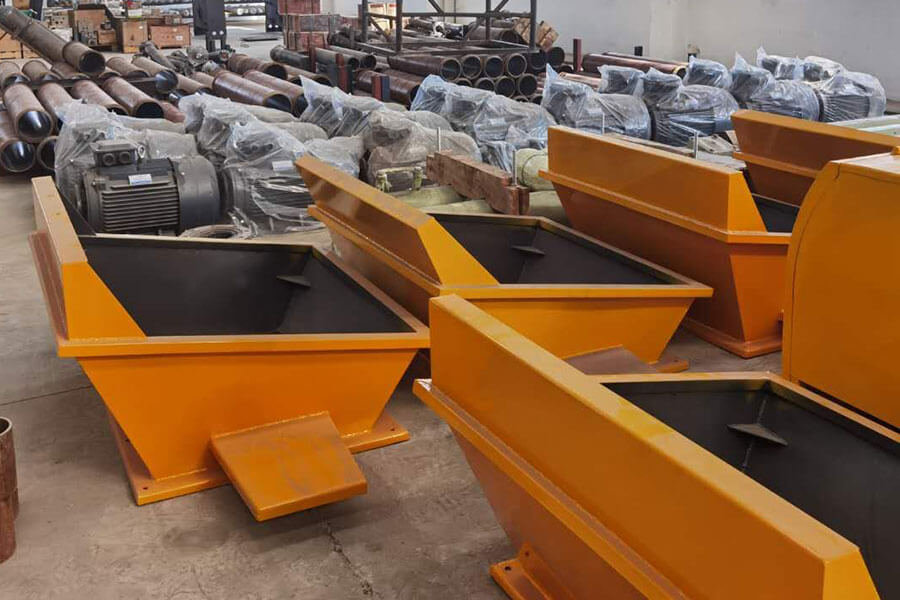
hopper
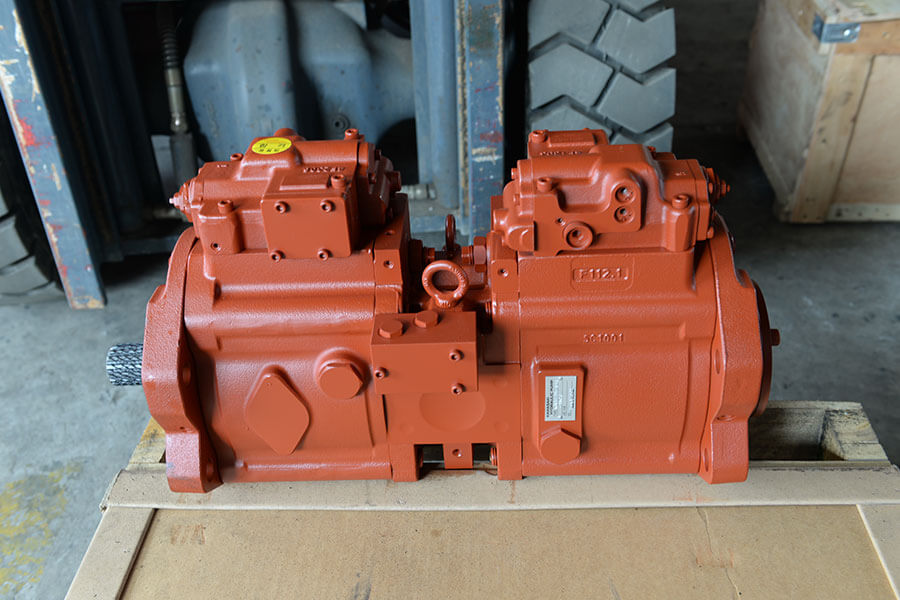
Oil Pump
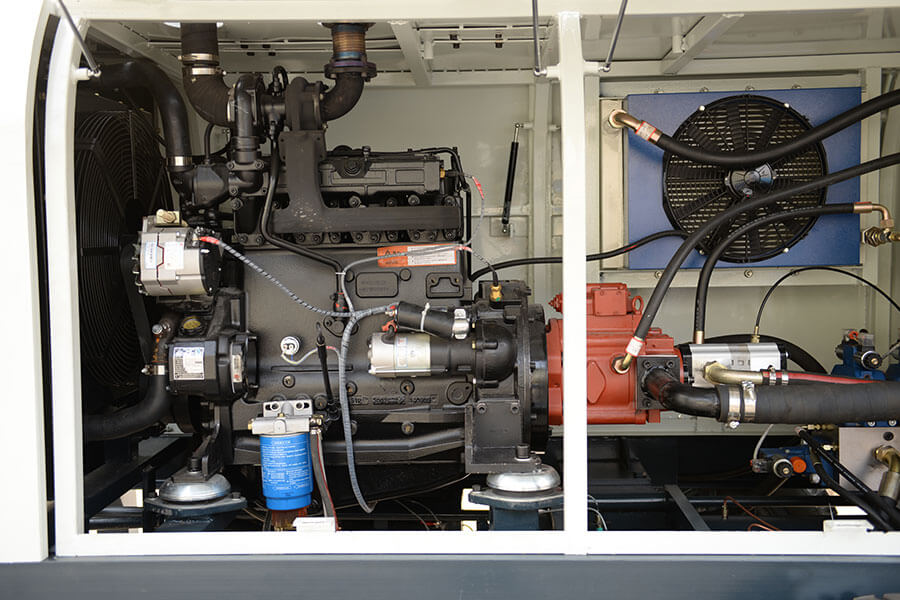
Diesel Engine
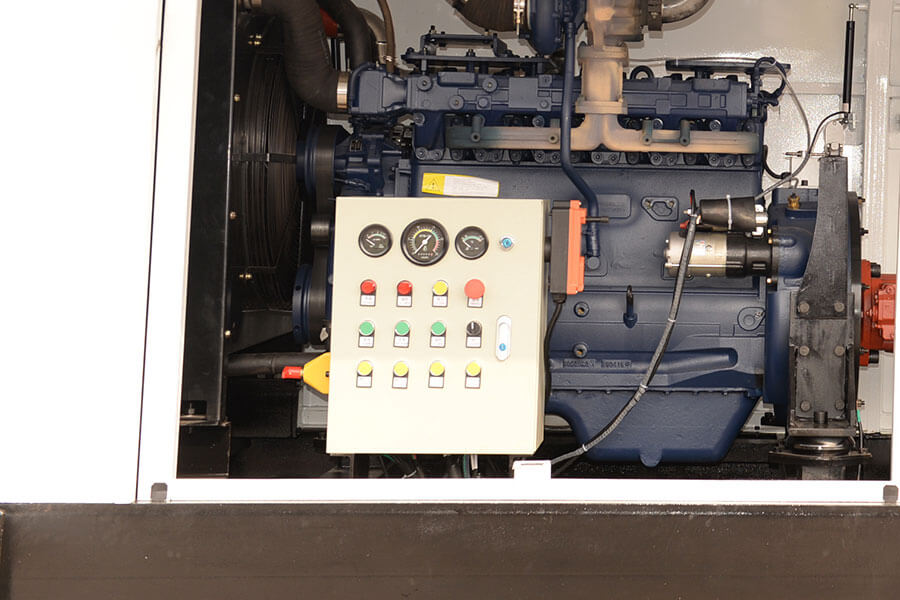
Control system
What to Compare Before Ordering
Engine and auxiliaries: compare the quoted engine make, model, nameplate, starting system and auxiliary electrical requirements; diesel drive does not by itself confirm an entirely electricity-free package.
Required placing rate: review concrete deliveries, pipeline route and output available at the required pressure, not a model number or isolated maximum.
Site arrangements: discuss fuel supply, service access and exhaust, ventilation and noise requirements for the actual location; do not infer enclosed, tunnel or extreme-environment suitability from the drive type.
Delivery and service: confirm pipe, hose and clamp specifications, quantities, spare parts, shipping details and handover documentation. Treat unclear aggregate descriptions as items to clarify.
Drive comparison: review the electric concrete pump range where a suitable supply is available. Compare actual installation and operating requirements rather than assuming a universal fuel-saving or cost advantage.
Prepare Your Pump Selection Request
Send Henan Hengyuan your placing-rate target, concrete supply method, pipeline sketch and site restrictions. Identify one or two model candidates for review and describe fuel, starting and auxiliary electrical arrangements. Request a dated, model-specific quotation rather than treating reference entries as the final equipment specification.
1. Project inputs: provide the pour location, required placing rate, daily working hours and concrete supply arrangements.
2. Route assessment: specify horizontal length, vertical rise, bends, pipe diameter and access restrictions for review.
3. Quotation scope: request the exact model and engine configuration, output at the required pressure, accessory quantities, documentation and spare-parts list. Distinguish included, optional and buyer-supplied items.
4. Service and warranty: confirm commissioning, training, support responsibilities and costs. The model pages retain an 18-month warranty reference; agree its start date, coverage, exclusions and wear-parts treatment in writing.
Diesel Concrete Pump Model Selection: Buyer Questions
Does the diesel pump range include mixing or batching equipment?
This range is presented as a concrete pumping option. The model reference tables do not establish an integrated mixer, storage silo or metering system. Confirm a separate source of already mixed concrete and the delivery-accessory scope. If on-site mixing is also required, request a separate mixer pump quotation.
What engine and electrical details should I confirm for an HBTS model?
The existing model pages list engine-power references of 66, 82, 129 and 176 kW across the range. Confirm the actual engine make, model, nameplate, starting system, fuel and servicing arrangements. Ask which controls and auxiliary devices need electrical power rather than assuming the complete supplied package has no electrical requirements.
How should I read the model comparison and slash-separated entries?
The comparison reproduces the existing model-page entries, including 60/46, 85/50 and 90/55 m³/h output references. The associated pressure entries are not assigned to confirmed operating modes or output-pressure pairings. Ask the supplier for their meaning, order and operating conditions and the output available at the pressure required for your route and concrete mix.
Does diesel drive guarantee off-grid operation or a pumping distance?
No such guarantee is established by the reference table. Confirm starting and auxiliary electrical requirements for the supplied package. The comparison omits distance figures because their source-table units and test conditions still need confirmation. Submit the complete route, concrete requirements and site constraints for model-specific assessment.
Request a Model-Specific Quotation
For a diesel pump quotation, send your destination, placing-rate target, concrete mix details, pipeline sketch and site access restrictions. State the available fuel and electrical arrangements, required engine configuration, accessory quantities, delivery deadline and requested service scope.