Dry Mix Concrete Batching Plant
A dry mix concrete batching plant, also called a transit-mix or truck-mix plant, measures ingredients and loads them into a truck mixer for final mixing. Most or all mixing water is normally added at the plant; mixing may be completed in the yard, in transit or at the site. Dry batching does not mean water must be withheld until arrival. Process definitions: dry batching and central mixing are different production methods. The project specification, approved mix and truck-mixing arrangement determine which method applies.
Select dry batching around the concrete specification, truck-mixer fleet, batching controls and delivery schedule. The production method alone does not establish lower concrete quality, lower energy use or suitability for unlimited delivery distances.
Scope of application of dry mix concrete batching plants
Project fit depends on the approved mix, required output, truck mixing and delivery conditions.
Fresh concrete is perishable once water contacts cement. Plan dispatch and placement to the applicable specification and conditions; a 3-to-6-month shelf life is not applicable to truck-mixed ready-mix concrete.
Packaged dry mortar is a different product and should not be confused with this plant workflow.
Common dry mix concrete batching plants can be divided into fixed and mobile types.
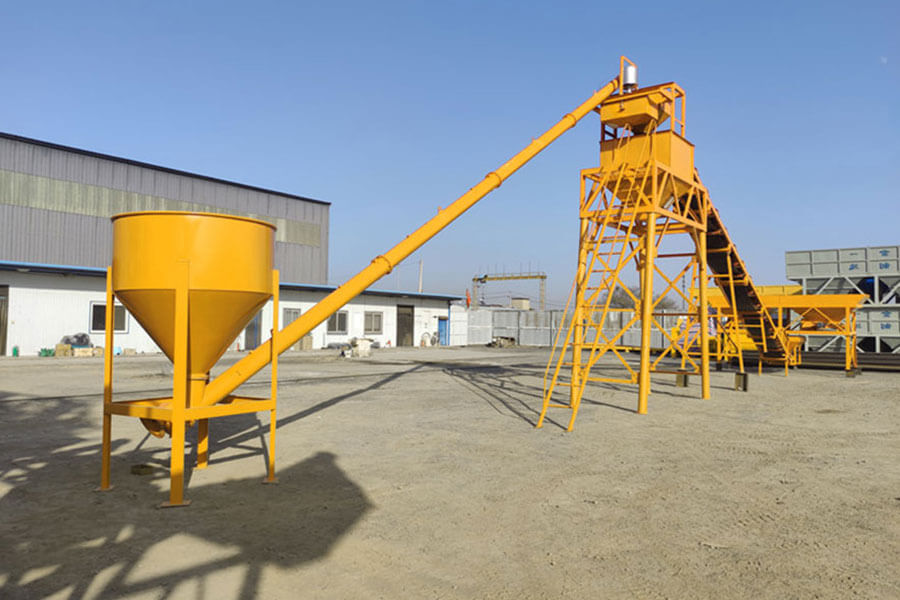
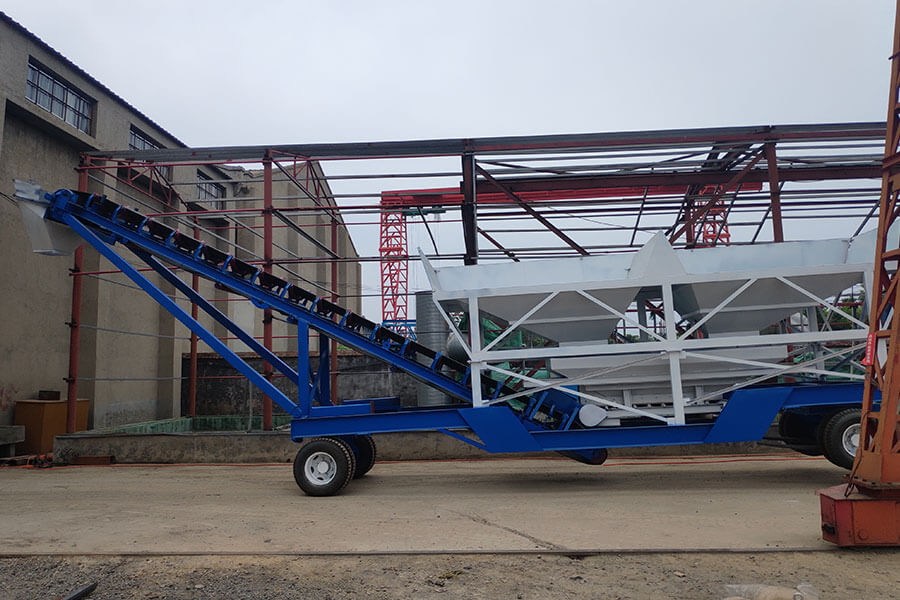
Differences between dry-mix and wet-mix concrete batching plants
Production process: A dry-batch plant loads measured ingredients into a truck mixer; a wet-batch plant mixes concrete in a stationary mixer before discharge.
Equipment configuration: A conventional dry-batch plant has no central concrete mixer. Confirm water and admixture dosing and the truck-mixing arrangement in the quotation.
Transportation equipment: Dry-batched ready-mix requires suitable truck mixing, not ordinary cars or unverified bulk transport. Central-mixed concrete can use suitable agitators or other delivery equipment approved for the mix and project.
Delivery time: Both methods require control of fresh-concrete delivery and placement. Neither offers months of storage for fresh concrete.
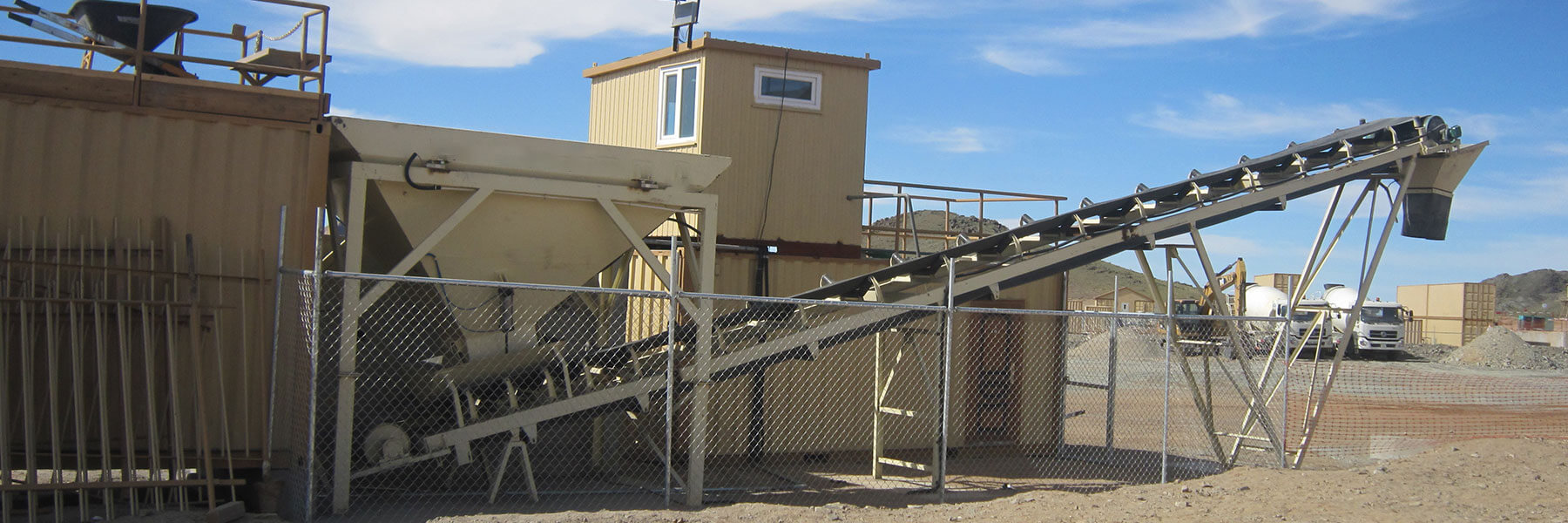
Stationary dry mix concrete batching plant
Working process Dry Mix Concrete Batching Plant
Store aggregates and cement separately, measure each ingredient against the approved recipe and account for aggregate moisture. Load the batch into a suitable truck mixer, dose water and admixtures as specified, complete mixing under the agreed procedure, and dispatch for timely placement. Confirm the actual loading and mixing sequence with the supplier.
Components of Dry Mix Concrete Batching Plant
The dry mix concrete batching station is mainly composed of aggregate storage system, cement storage system, control system and weighing system.
Aggregate storage system: bins and feeding equipment for sand and gravel.
Cement storage system: silos and screw conveyors for cement and other specified powders.
Measuring system: aggregate, cement, water and admixture measurement appropriate to the configuration.
Control system: recipe management and batch records; accuracy depends on verified measuring equipment, moisture correction and operating procedures.
Loading system: chutes and loading arrangements matched to the truck-mixer fleet. Verification guidance: check scale, water-meter and moisture readings under the project quality-control procedure, and keep the results with the batch records.
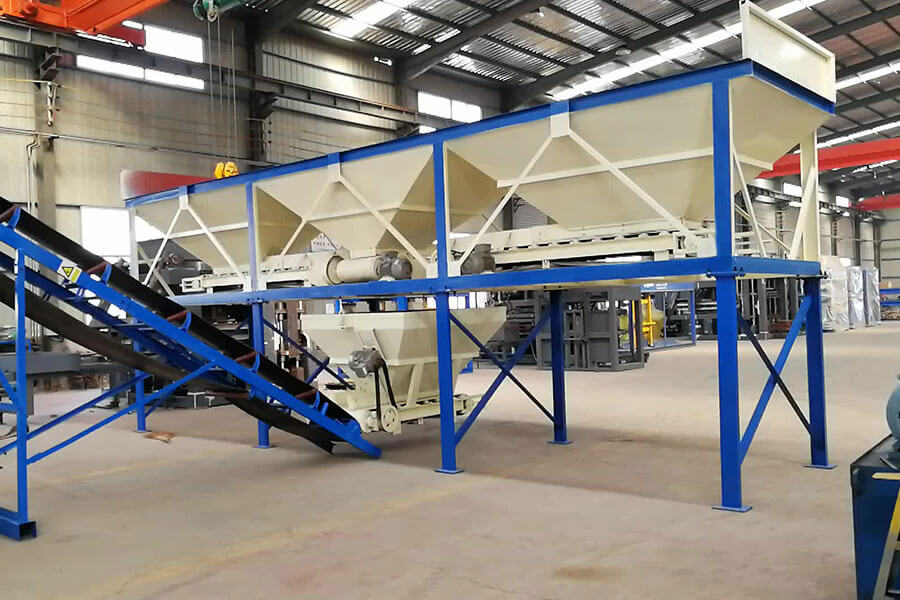
batching machine
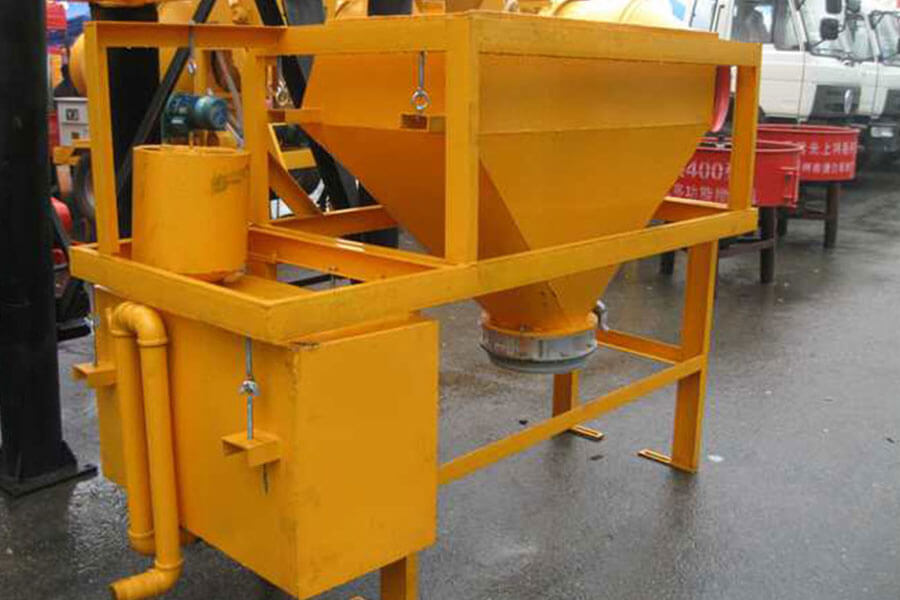
Weighing system
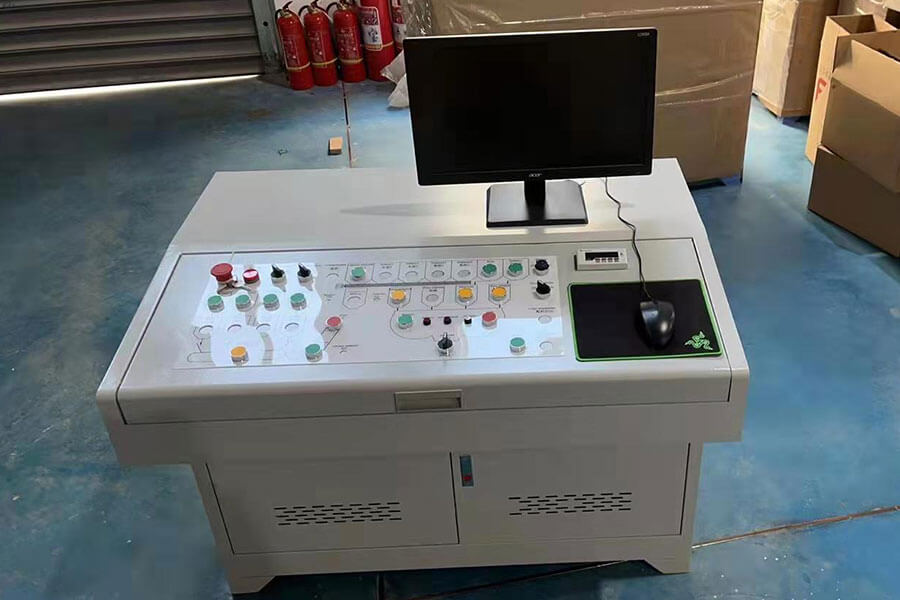
Control system
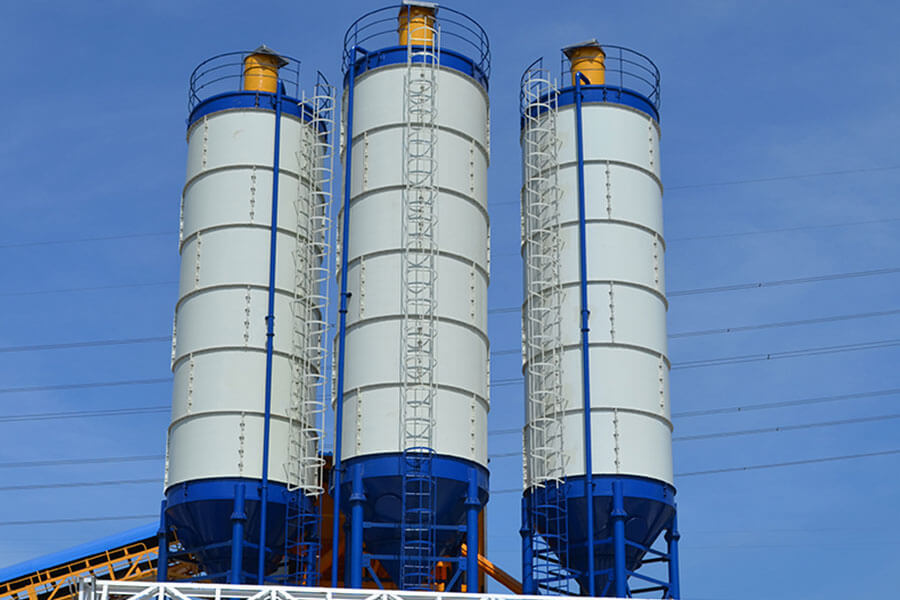
Cement silo
Advantages of Dry Mix Concrete Batching Plants
Plant-side equipment: Omitting a central mixer changes the equipment and maintenance scope; it does not prove lower total energy or cost.
Production rhythm: Coordinate batching, truck loading, truck availability and delivery instead of relying on nominal capacity alone.
Concrete quality: Verify proportions, aggregate moisture, water additions, mixing and acceptance tests.
Operating costs: Compare the plant, truck fleet, cleaning, wear parts, fuel or electricity and maintenance under the same project assumptions.
Delivery control: Plan workability retention and placement; dry batching does not eliminate segregation or water-management requirements.
Are you ready to start your project?
As a professional construction machinery manufacturer, Henan Hengyuan not only has a professional technical team, but also has excellent machinery quality. The construction machinery equipment produced by Henan Hengyuan welcomes customers from all over the world to purchase.
1.We will recommend the corresponding machine to you according to your production needs.
2.We will calculate the site and factory area according to your production requirements and give you factory construction suggestions.
3.Our professional technical engineers will draw professional installation plans and machine layout drawings for you.
4.If you encounter any problems during production, we will send professional engineers to connect via video or solve them on site.
Dry mix concrete batching plant selection guide
A dry mix concrete batching plant should be selected around batching accuracy, truck mixer availability, site logistics, and delivery distance. The following points help buyers compare dry mix solutions before quotation.
| Selection factor | What to confirm | Buyer note |
|---|---|---|
| Mixing method | Materials are batched at the plant and final mixing is completed by the truck mixer. | Confirm that enough truck mixers are available for the planned production rhythm. |
| Batching accuracy | Check aggregate, cement, water and admixture weighing systems. | Accurate batching is critical because final concrete quality depends on both batching and truck mixing. |
| Plant layout | Confirm aggregate bins, cement silo plan, screw conveyor, water system and control room. | A compact dry mix layout can reduce equipment complexity but still needs clear truck movement. |
| Project fit | Match the plant with ready-mix delivery distance, road conditions and concrete demand. | Dry mix plants work best when transport and truck mixing are well organized. |
Quotation checklist
- Required hourly output and truck mixer quantity
- Aggregate bin and silo requirements
- Water/admixture system needs
- Delivery distance, voltage and destination port
Dry mix plant selection for manufacturer projects
A dry mix concrete batching plant should be selected from the full production route: aggregate receiving, batching, cement supply, water and additive handling, discharge and transport. Buyers comparing a plant for a ready-mix yard, precast operation or remote project should confirm the required grade, output, mixing method and delivery equipment before finalizing the model.
The truck-mixing arrangement, weighing system, cement silo and control method should be planned as one production route. A plant with suitable nominal output can still lose efficiency if aggregate loading is slow, truck access is narrow, cement supply is delayed or maintenance space is limited.
Dry-batch plant installation and commissioning checks
Before shipment, confirm the equipment list, power supply, foundation drawings, silo arrangement, truck loading height and access route for the selected configuration. A dry-batch plant loads measured ingredients into a truck mixer; it does not rely on a central plant mixer for the final mix.
- Verify measurement: Check aggregate and cement scales, water and admixture dosing, and the method used to measure aggregate moisture and adjust batch water against the approved mix.
- Check the truck-mixing handoff: Confirm loading sequence, truck mixer condition and revolution counter, truck capacity, and the agreed point at which mixing is completed.
- Run a trial batch: Review the batch ticket and test the resulting concrete against the project specification before routine production. Record any corrections to moisture, water or batching settings.
- Document acceptance: Keep calibration checks, trial-batch results, batch tickets and operator handover instructions with the project records.
Maintenance and long-term cost control
Regular inspection of belts, scrapers, gates, weighing sensors, lubrication points and dust collection helps protect production stability. Keeping a practical spare-parts list according to the plant configuration and local service conditions reduces avoidable downtime.
Buyers can review installation and service support or compare the dry mix concrete batching plant configuration before ordering.
Dry Mix Concrete Batching Plant FAQ
Does a dry-batch plant mean water is added only at the jobsite?
No. For truck-mixed ready-mix concrete, measured ingredients are loaded into a truck mixer and most or all mixing water is normally batched at the plant. Final mixing can be completed in the yard, in transit or at the jobsite under the approved procedure. This is different from packaged dry mortar.
How should aggregate moisture affect batching water?
Measure the moisture in fine and coarse aggregates and adjust the batched water against the approved concrete mix. Verify the water meter and any moisture probe, then record corrections in the batch record. The project specification determines the acceptance limits.
What should be checked before routine dry-batch production?
Check scale and water measurement, aggregate moisture adjustment, truck mixer condition and loading sequence. Review the trial-batch ticket and concrete uniformity or acceptance tests required for the project before starting routine production.
Should I choose a mobile or stationary dry-batch plant?
Compare how often the plant will move, available foundation and site area, truck access, required nominal output and utility connections. Review the mobile dry-batch series and stationary dry-batch series; published capacity is a reference, while actual dispatch depends on truck supply and the approved mixing procedure.
Get ready to contact us
If you are ready to start your project, please contact us immediately. Tell us your needs and we will provide you with the most suitable production plan and quotation.
Buyer guides and planning resources
Dry mix plant buyers can review dry mix vs wet mix plant differences, advantages of dry concrete batching plants, and export plant planning. For price comparison, see batching plant cost factors.
Dry Mix Concrete Batching Plant Selection Facts
A dry mix concrete batching plant weighs and discharges aggregates, cement and water separately, then completes mixing mainly in the transit mixer truck.
- Best for
- Ready-mix operations that need faster plant discharge, simpler mixing structure and truck-based final mixing.
- Key configuration
- Aggregate bins, weighing system, cement silo, screw conveyor, water/admixture dosing and control system.
- Selection factors
- Truck mixer fleet, hourly dispatch target, aggregate storage, cement silo size, weighing accuracy and site traffic flow.