
Concrete Batching Machine Workflow
A concrete batching machine is specialized equipment used for concrete production. It follows a systematic workflow that includes raw material preparation, accurate metering, mixing, conveying, and discharge, ensuring precise concrete proportions and stable quality.
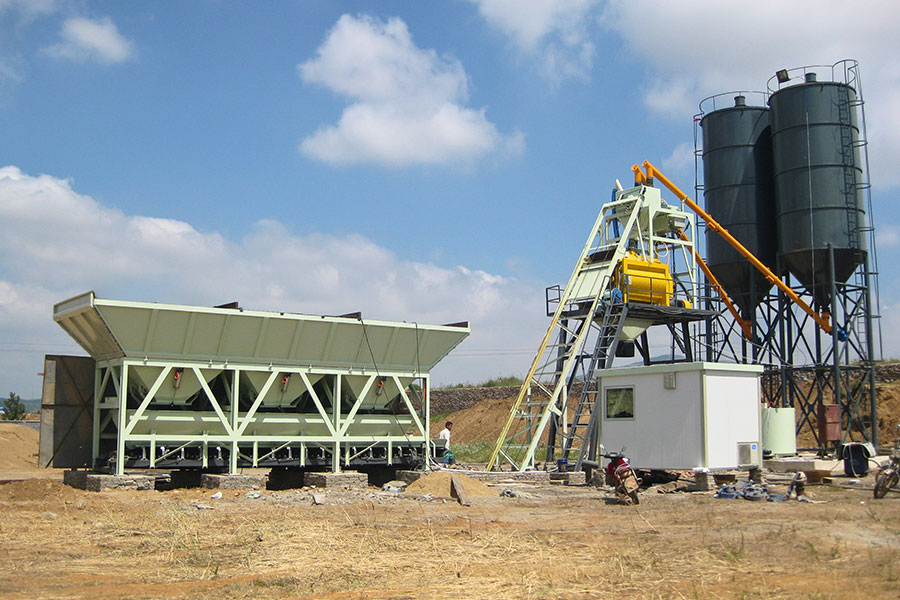
Concrete batching machine workflow:
Step 1: Raw Material Preparation
First, operators prepare the raw materials, including cement, sand, aggregates, and water. The batching machine stores each material in an independent bin, which allows precise control and organized feeding. To guarantee concrete quality, operators screen and inspect all materials before production.
Step 2: Accurate Metering
Next, the batching machine performs precise metering. Using an electronic weighing system or mechanical scale, the machine measures each material according to the preset concrete formula. Meanwhile, the control system monitors weights in real time, automatically calculates material demand, and commands each bin to discharge accurately.
Step 3: Mixing Process
After metering, the conveying system transfers the materials to the mixer. The mixer then blends all components quickly and evenly. The system adjusts mixing time and speed based on different concrete formulas, ensuring uniform consistency without segregation.
Step 4: Concrete Discharge and Conveying
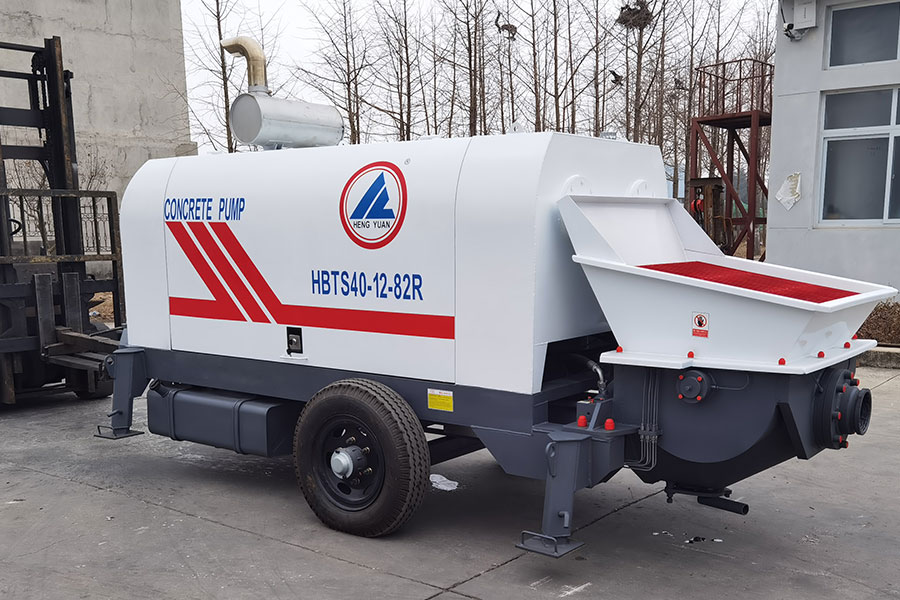
Once mixing is complete, the system discharges the concrete and delivers it to a concrete pump or transport equipment. During this stage, the control system continuously monitors concrete flow to prevent segregation and maintain material integrity.
Step 5: Cleaning and Maintenance
Finally, operators clean and maintain the batching machine regularly. Proper maintenance ensures stable operation, reduces equipment failure, and protects long-term production efficiency.
Conclusion about concrete batching machine workflow
Henan Hengyuan concrete batching machines integrate raw material preparation, metering, mixing, conveying, and maintenance into a highly efficient system. Through rational design and automated operation, they improve production efficiency, reduce labor costs, minimize material waste, and ensure consistent concrete quality—providing reliable support for construction projects.