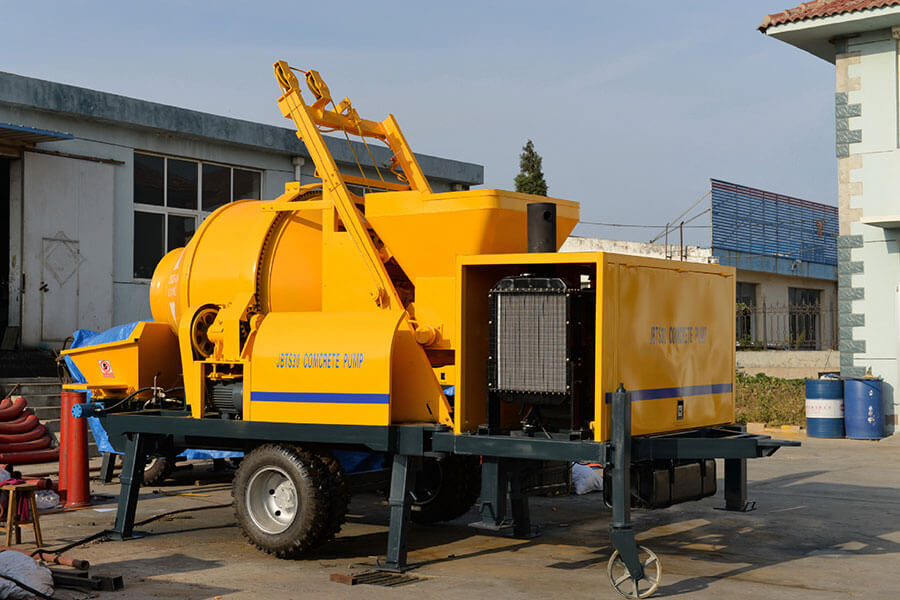
JBTS30 Diesel Engine Concrete Mixer Pump
JBTS30 combines concrete mixing and pumping in one diesel-drive machine. The published table lists 30 m³/h theoretical output, a 82 kW main diesel engine and 350 L mixer discharge capacity. Use these reference values to shortlist equipment, then confirm the current configuration and achievable placing rate for your project.
Theoretical pumping output: 30 m³/h
Warranty reference: 18 months; confirm terms
Main diesel engine: 82 kW
Auxiliary electrical supply: confirm configuration
More Product Details
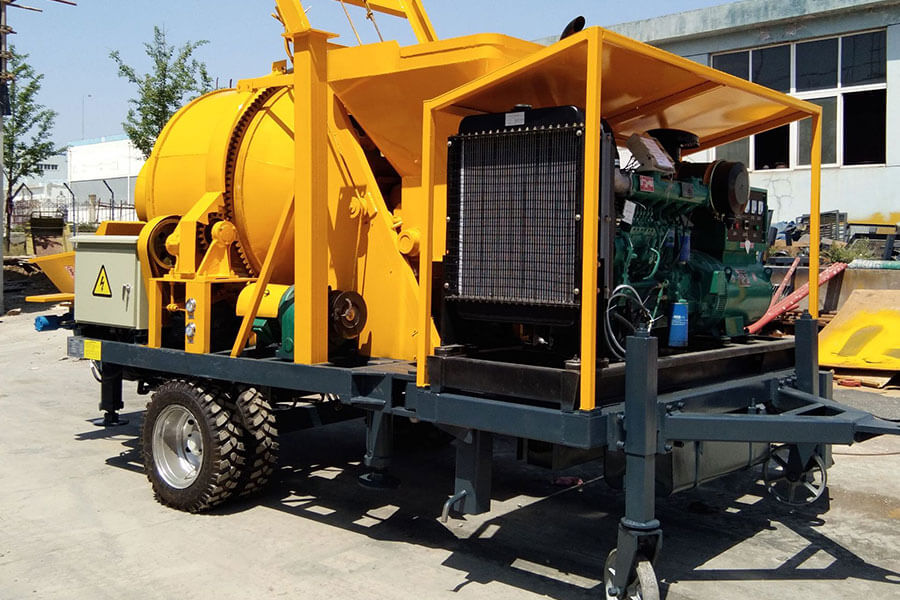
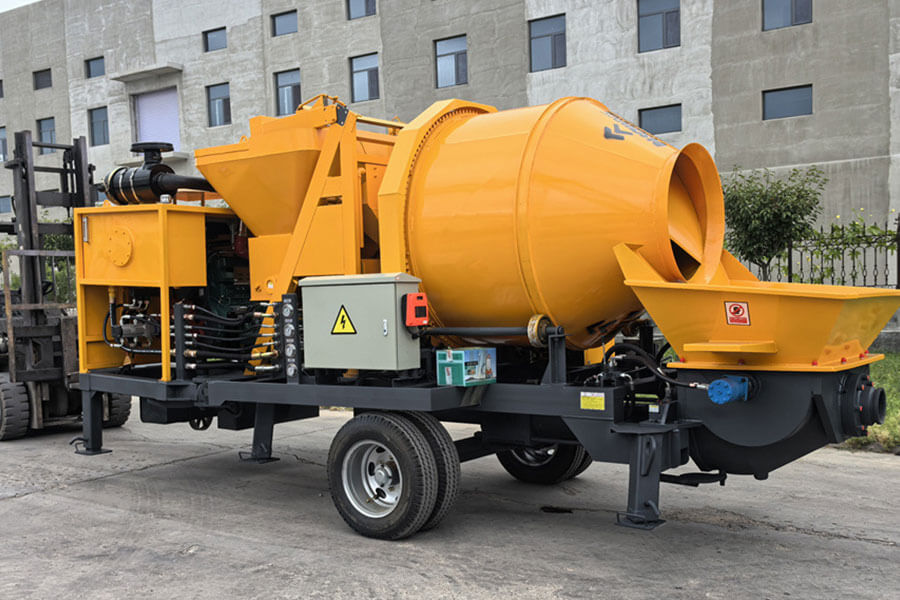
JBTS30 Components and Configuration
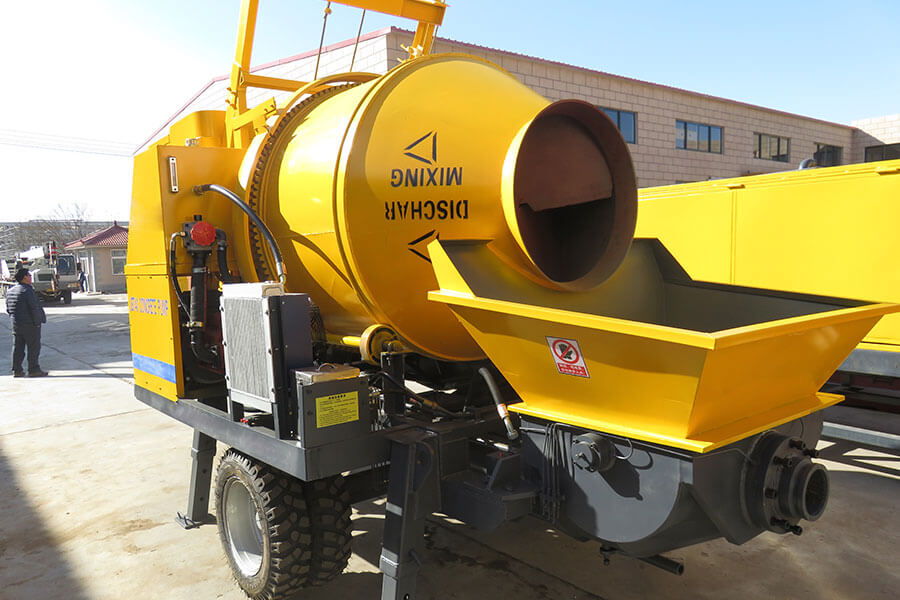
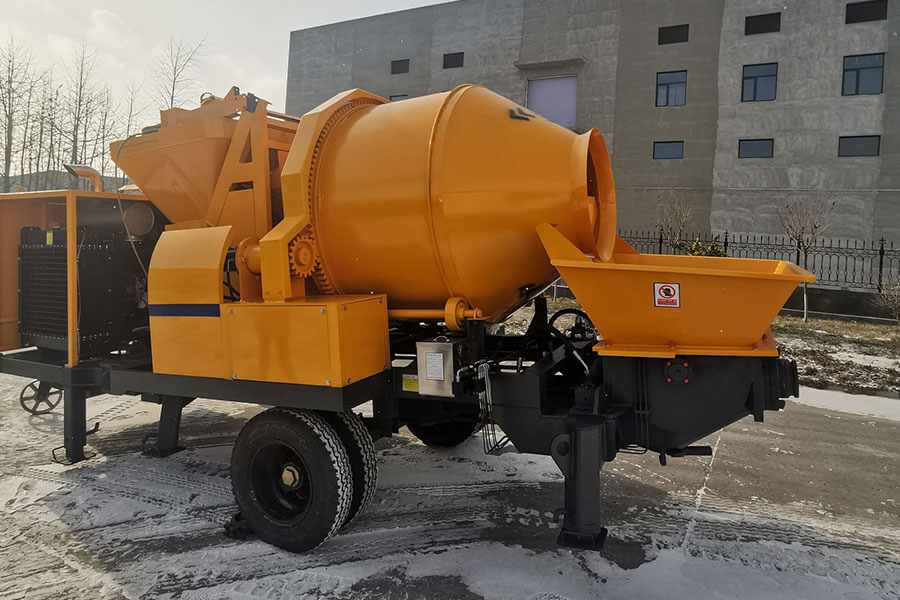
Review the mixer, receiving hopper, pumping assembly, drive, hydraulics and controls against the equipment quotation. The published mixer loading/discharge capacities are 560/350 L; these are batch-volume figures, not hourly production rates.
Diesel drive: The table lists an 82 kW main diesel engine as well as 5.5 kW mixing and 4.5 kW hoisting motors. Ask how these auxiliary assemblies are powered. The diesel designation alone does not confirm that every component operates without site electricity.
Mixer and feeding: Confirm the mixer type, material-feeding arrangement and 560 L loading / 350 L discharge capacity. The mixer does not replace the project’s batching and concrete-quality controls.
Pumping assembly: Identify the pump, valve arrangement and receiving hopper in the equipment diagram. The table lists a 550 L hopper; distinguish this from the mixer’s loading and discharge capacities.
Hydraulics: Request the circuit diagram and current component list. The published table names Kawasaki for the main oil pump; confirm the actual supplied brand, model and the meaning of the accompanying pump figure.
Controls: Confirm the functions, alarms and operating documentation supplied with the machine. Training and the manufacturer’s procedures remain necessary even when controls are described as simple to use.
Frame and transport: Published dimensions are 4500 × 2200 × 2800 mm and weight is 5,000 kg. Confirm the shipping configuration, handling arrangements and operating-space requirements separately.
Pipework and accessories: Ask for sizes and quantities of delivery pipes, bends, couplings, seals and hoses. Do not treat component photographs or a pipe-diameter entry as a complete included-accessory list.
JBTS30 Mixing and Pumping Process
Process overview: Plan material feeding, mixing, transfer to the pump hopper and delivery to the placing point as one workflow. The published 30 m³/h theoretical output does not establish the output of that complete workflow.
Mixing: Materials are prepared to the project mix specification and mixed before pumping. Ask for the model’s batch-cycle information and achievable mixing output; 350 L discharge capacity alone is not an hourly production figure.
Pumping: Mixed concrete enters the pump receiving hopper and is delivered through the agreed pipe route. Provide the horizontal distance, vertical rise, bends, hoses and concrete specification for a configuration review.
Coordination: Confirm whether mixing and pumping can overlap on the quoted configuration, and how material supply and the receiving hopper are managed. Do not assume that simultaneous operation removes all waiting time.
Operation: Use the model-specific manual and trained operators for controls, inspection, cleaning and fault handling. Confirm the commissioning and training scope before the equipment is dispatched.
JBTS30 Selection Checklist
Output target: Start with your required placing rate in m³/h. Compare it with the published 30 m³/h theoretical pumping figure and request a separate assessment of mixing output and site conditions.
Compare the next model: The JBTS40 table lists 40 m³/h theoretical output and 450 L mixer discharge capacity. Compare these with JBTS30 rather than assuming the larger model is always the better project choice.
Power planning: Confirm the engine specification, fuel arrangements and any auxiliary electricity requirement. Review site exhaust, ventilation and noise requirements before selecting diesel drive.
Concrete and pipe route: Supply aggregate grading, mix specification and proposed delivery layout. Ask how the paired distance and aggregate figures in the table apply to your configuration.
Project costing: Compare the machine, pipework, transport, site preparation and commissioning as separate quotation items. Labour savings and running costs should be assessed for the actual project.
Access and placement: Use the published dimensions and weight for initial planning, then request the shipment dimensions, lifting information and working-clearance requirements.
Maintenance: Obtain the scheduled-service requirements, lubrication information and wear-part list. Durability or low-failure-rate claims should not replace a documented maintenance plan.
Warranty and support: The page refers to an 18-month warranty. Confirm its start date, coverage, exclusions, claim process and who pays for parts delivery or on-site attendance.
Quality and training: Confirm the project’s material measurement and concrete-quality checks. Machine selection alone does not guarantee concrete quality, and operators require model-specific instruction.
Quotation scope: Request the equipment configuration, accessory quantities, operating documents and agreed delivery schedule. Compare alternative drive arrangements in the diesel mixer pump overview.
JBTS30 Published Reference Specifications
The table contains the currently published JBTS30 reference values, not a site-performance guarantee. Confirm the current manufacturer specification before ordering. The oil-pump figure was previously labelled “ml/min”; its parameter definition and unit need confirmation. The order and test conditions of the paired delivery-distance and aggregate-size values are not stated. Ask for these details rather than assuming the two values are interchangeable or achievable together.
| Model | JBTS30 |
| Theoretical pumping output (m³/h) | 30 |
| Maximum concrete pumping pressure (MPa) | 10 |
| Power type | Diesel |
| Main diesel engine (kW) | 82 |
| Main oil pump | Kawasaki |
| Main oil pump parameter (unit to confirm) | 71 |
| Theoretical delivery distance (m; pair order to confirm) | 120/350 |
| Pump receiving hopper capacity (L) | 550 |
| Maximum aggregate size reference (mm; pair conditions to confirm) | 20/30 |
| Delivery pipe inside diameter (mm) | 125 |
| Mixer loading capacity (L) | 560 |
| Mixer discharge capacity (L) | 350 |
| Mixing motor (kW) | 5.5 |
| Hoisting motor (kW) | 4.5 |
| Dimensions: length × width × height (mm) | 4500x2200x2800 |
| Total weight (kg) | 5000 |
JBTS30 Mixer Pump: Model Questions
Does JBTS30 guarantee 30 m³/h on site?
The published value is theoretical pumping output. It is not a guaranteed placing rate or a mixing-output figure. Confirm mixing cycles, material supply, concrete properties and the full delivery route for your required placing rate.
How does JBTS30 compare with JBTS40?
JBTS30 lists 30 m³/h theoretical output and 350 L mixer discharge capacity; JBTS40 lists 40 m³/h and 450 L respectively. These are reference values. Compare power requirements, dimensions, accessory scope and the project’s actual placing target before ordering.
Does JBTS30 require any auxiliary electricity?
The current table lists a diesel engine plus separate mixing and hoisting motors. Ask how these assemblies and the controls are powered on the supplied configuration. Confirm auxiliary power requirements before planning a site with no electricity.
Which JBTS30 specification details need confirmation?
Confirm the oil-pump parameter and unit, the order and conditions of the paired delivery-distance and aggregate-size values, and the current component configuration. Also request pipework quantities and written terms for the 18-month warranty reference, training and after-sales support.