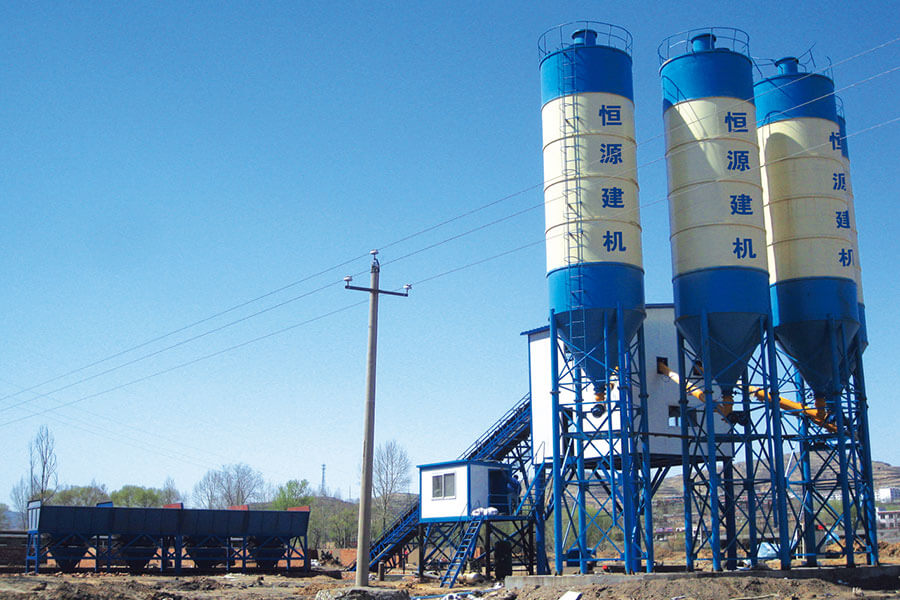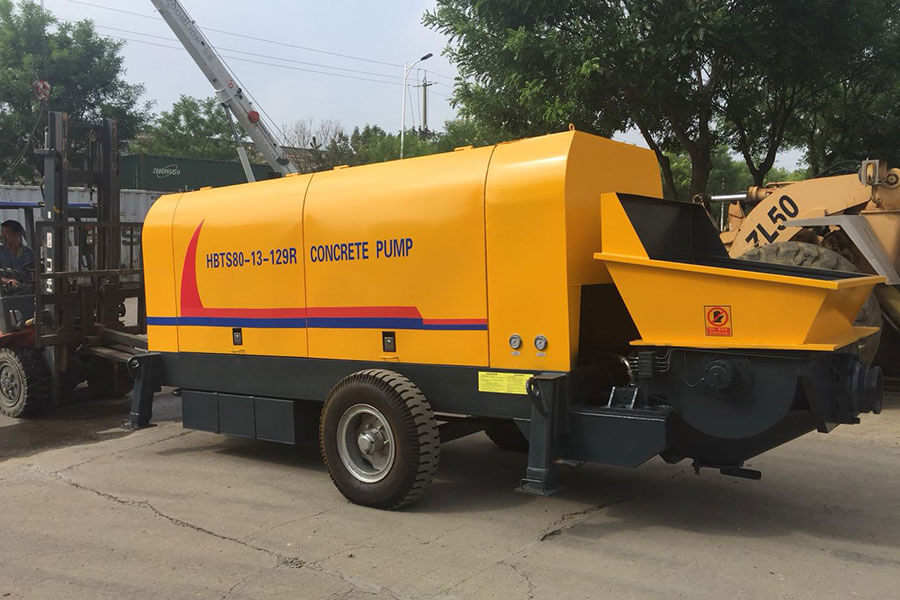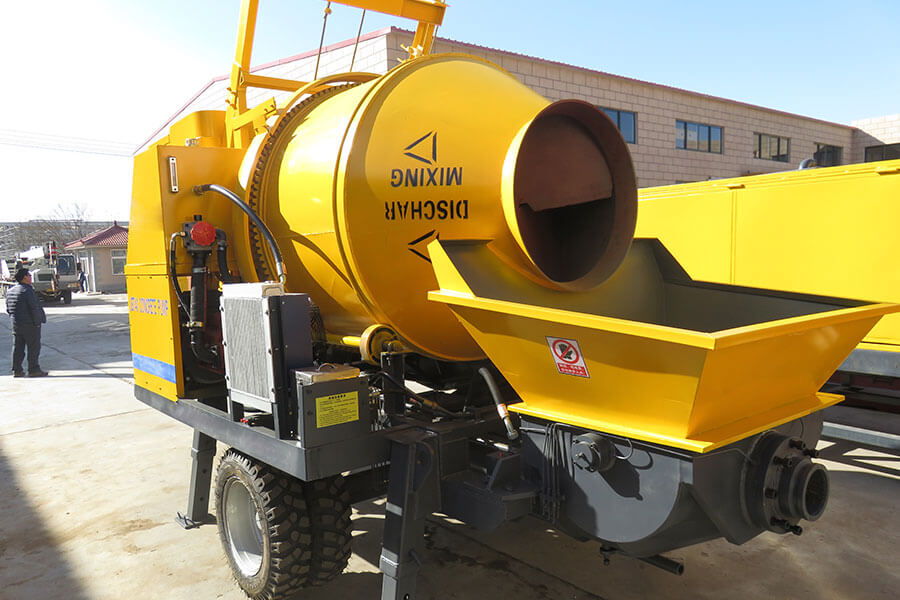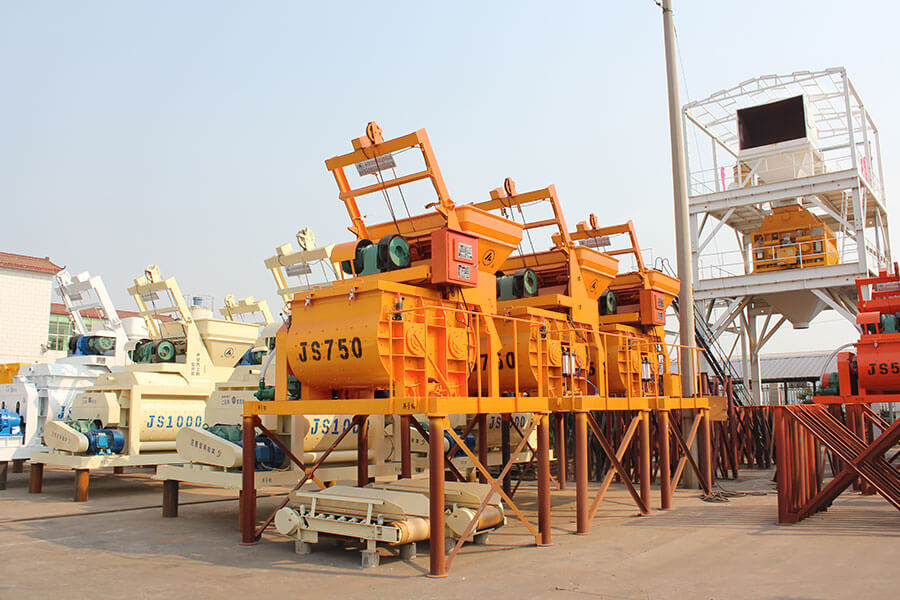
mobile stabilized soil mixing station
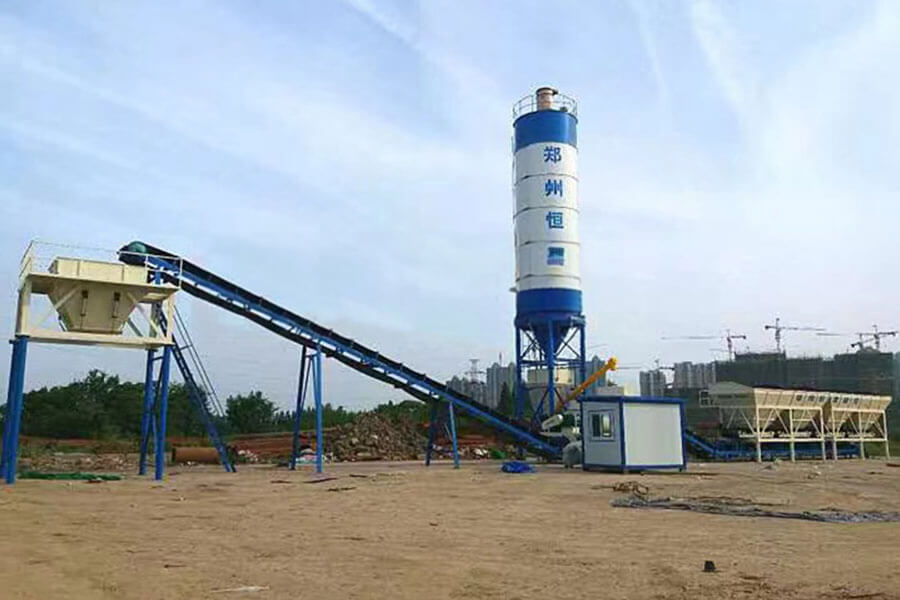
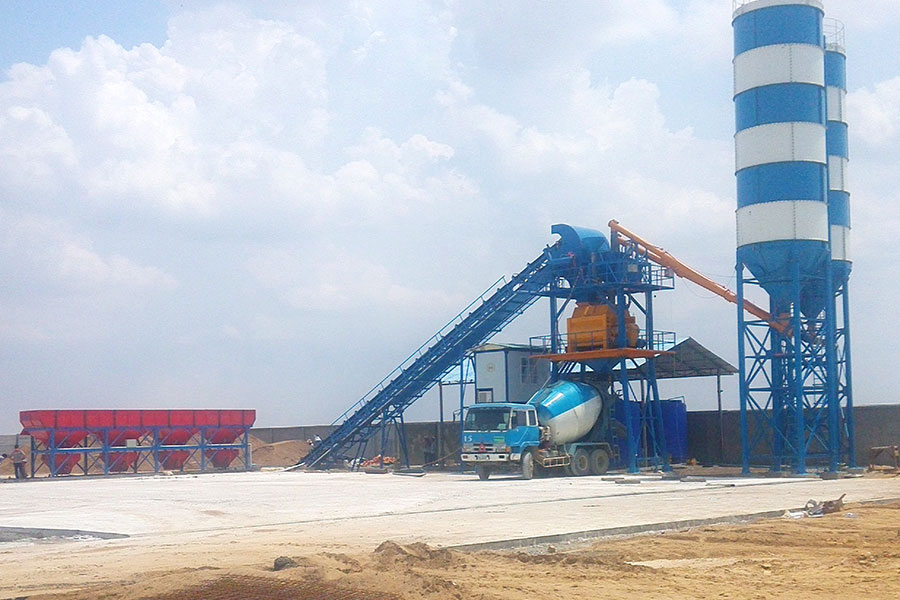
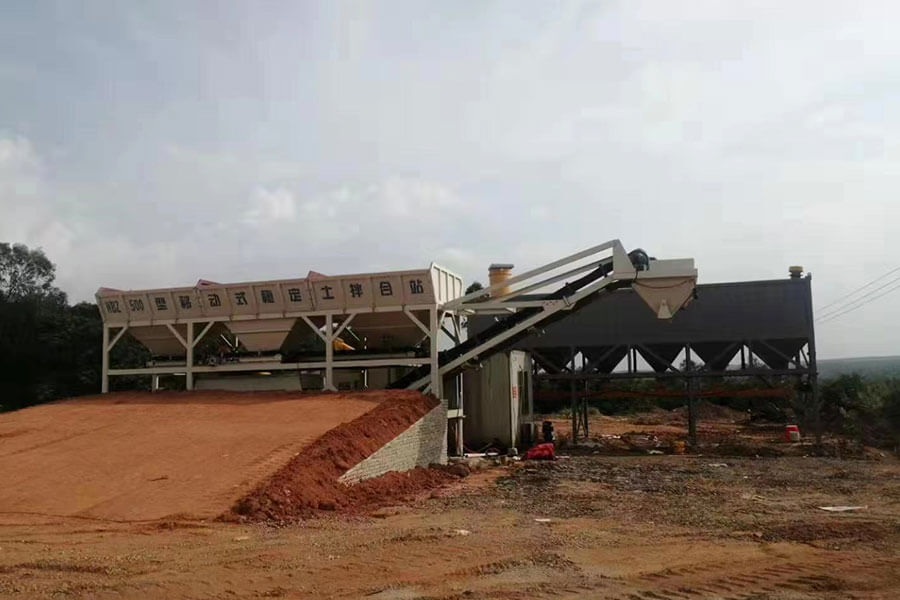
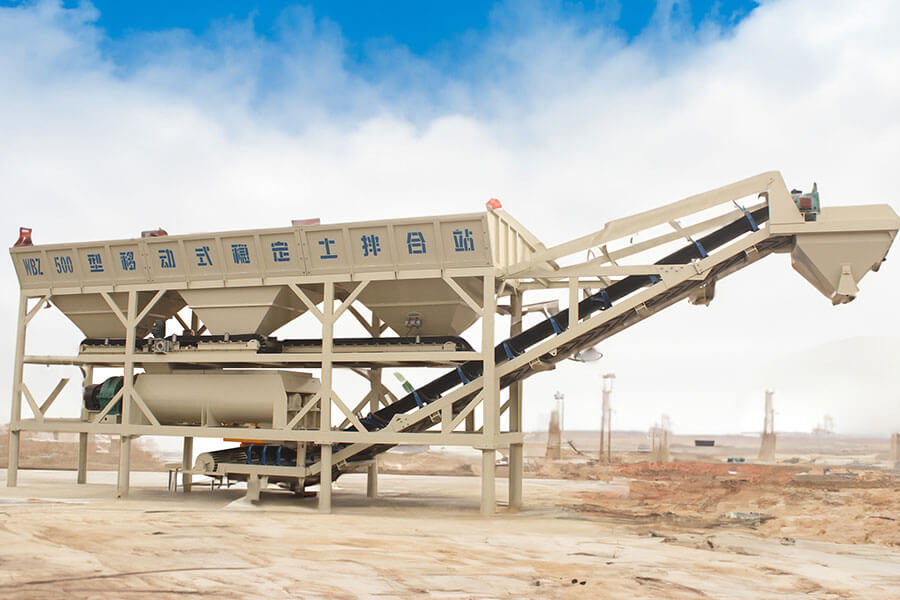
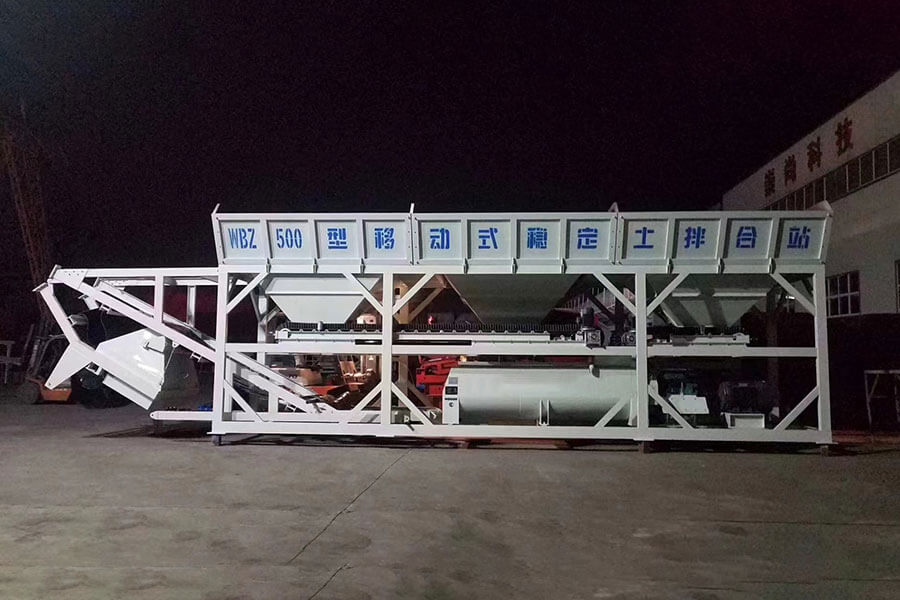
A mobile stabilized soil mixing plant is a portable stabilized soil production equipment mainly used in infrastructure construction projects such as roads, airports, ports, and railways. In practical applications, it integrates mixing, conveying, and control systems into a compact structure, effectively supporting on-site stabilized soil production.
Discharge Capacity:300-800T/h
Warranty: 18 months
Total Power: 88-200KW
Voltage: 220v/380v/415v/440v/480v(50Hz/60Hz)
Structure
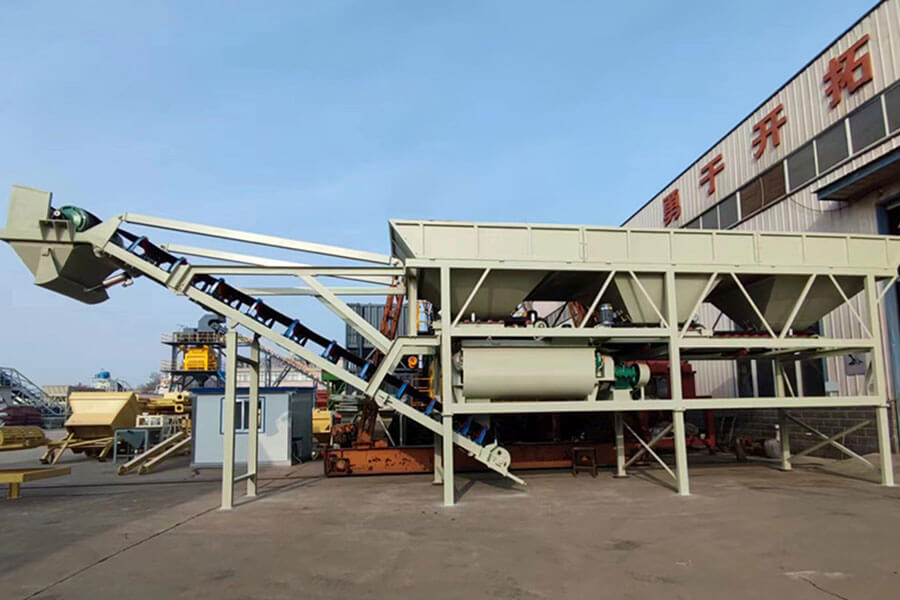
The mobile stabilized soil mixing station is mainly composed of the following systems and components:
Chassis and traction device:
First, the chassis serves as the foundation of the entire mixing station. It usually adopts a trailer-type or special vehicle chassis, which provides excellent mobility and operational stability. Meanwhile, the traction device enables the whole mixing station to be conveniently towed and transferred between different construction sites, ensuring flexible deployment.
Batching system:
Next, the batching system plays a key role in material preparation. The silo is used to store various raw materials such as soil, sand, and aggregates. In addition, it usually adopts a modular design, which makes disassembly and transportation more convenient. At the same time, the weighing device accurately measures each raw material to ensure precise proportioning. After weighing, the conveying device—commonly a belt conveyor or screw conveyor—efficiently transports the materials into the mixer.
Mixing system:
Then, the mixing system ensures uniform material blending. The mixer thoroughly combines all raw materials to produce high-quality stabilized soil. Common mixer types include twin-shaft compulsory mixers and planetary mixers. Inside the mixer, mixing blades continuously stir and shear the materials, thereby improving mixing efficiency and uniformity.
Water supply system:
Meanwhile, the water supply system provides the necessary moisture for mixing. The water tank stores the required water and is usually integrated into the chassis to save space. The water pump delivers water directly to the mixer, while the metering device precisely controls the water dosage to guarantee consistent mixture quality.
Control system:
In addition, the control system ensures smooth and reliable operation. Operators monitor and control the entire mixing process through the control console in the control room, which is typically integrated on the chassis. More importantly, the automated control system manages batching, mixing, and water supply processes, thereby improving production accuracy and operational stability.
Conveying system:
After mixing, the conveying system handles material discharge. The belt conveyor transports the finished stabilized soil to designated locations such as transport vehicles or construction areas. When required, a hoist lifts raw materials to a certain height to facilitate subsequent processing steps.
Dust removal system:
Finally, the dust removal system effectively reduces environmental pollution. The dust collector captures and treats dust generated during production, helping the equipment comply with environmental protection requirements and maintain a cleaner working environment.
Working principle
The automated control system, accessible via the chassis-integrated console, allows operators to monitor the entire process. It precisely manages batching, mixing, and water supply, significantly enhancing production accuracy and operational stability.
Inside the mixer, the mixing blades continuously stir and shear the materials, allowing all raw components to be fully and evenly blended into high-quality stabilized soil. Meanwhile, the water supply system injects a precisely controlled amount of water into the mixer as required, further ensuring optimal mixture consistency.
After mixing, the conveying system transports the finished stabilized soil to designated locations, such as transport vehicles or the construction site, by means of a belt conveyor or a hoist. Finally, the dust removal system collects and treats the dust generated during the production process, effectively reducing environmental pollution and ensuring cleaner on-site operation.
Product Advantages
Strong mobility:
First of all, the mobile stabilized soil mixing station offers excellent mobility and flexibility. It allows operators to quickly transfer and install the equipment at different sites, making it especially suitable for short-term, decentralized, or temporary construction projects.
Rapid deployment:
In addition, the equipment requires no complicated installation or commissioning procedures. As a result, it can be put into production within a short time, effectively shortening the overall construction period.
Cost saving:
Thanks to its mobile design, the mixing station significantly reduces material transportation costs and site rental expenses. Therefore, it is highly economical for projects involving multiple or frequently changing construction sites.
Efficient production:
Moreover, the system adopts an advanced automatic control system, enabling continuous and high-efficiency production. This ensures stable output and easily meets the demands of large-scale infrastructure projects.
Accurate proportioning:
At the same time, precise weighing devices combined with automatic control systems guarantee accurate proportioning of all raw materials, thereby ensuring consistent and reliable stabilized soil quality.
Energy saving and environmental protection:
Furthermore, the equipment is equipped with an efficient dust removal system, which effectively reduces dust pollution during the production process and minimizes environmental impact. Meanwhile, advanced energy-saving technologies help lower overall energy consumption.
Easy operation:
Additionally, the control console in the integrated control room features a user-friendly interface that is easy to learn and operate. Operators can conveniently monitor and control the entire production process in real time.
Convenient maintenance:
From a maintenance perspective, the equipment adopts a well-designed and rational structure. This simplifies daily inspection and maintenance work and effectively extends the service life of the machine.
Strong adaptability:
Finally, the mobile stabilized soil mixing station supports customization according to different engineering requirements. As a result, it demonstrates strong adaptability and can be widely applied across various infrastructure construction scenarios.
Product Parameters
| Model | YWBZ300 | YWBZ400 | YWBZ500 | YWBZ600 | YWBZ700 | YWBZ800 |
| Productivity (t/h) | 300 | 400 | 500 | 600 | 700 | 800 |
| Total Power (kw) | 88 | 105 | 158 | 168 | 179 | 200 |
| Total Weight (t) | 39 | 41 | 50 | 54 | 63 | 72 |
| Measuring Mode | Computer Measuring | |||||
| Speed Regulation Mode | Frequency Control | |||||
| Control Mode | Semi-auto/Full-auto Mode | |||||
| Max. Aggregate Size (mm) | 60 | |||||
| Aggregate Measuring Accuracy (%) | ±2 | |||||
| Powder Measuring Accuracy (%) | ±1 | |||||
| Water Measuring Accuracy (%) | ±1 | |||||