
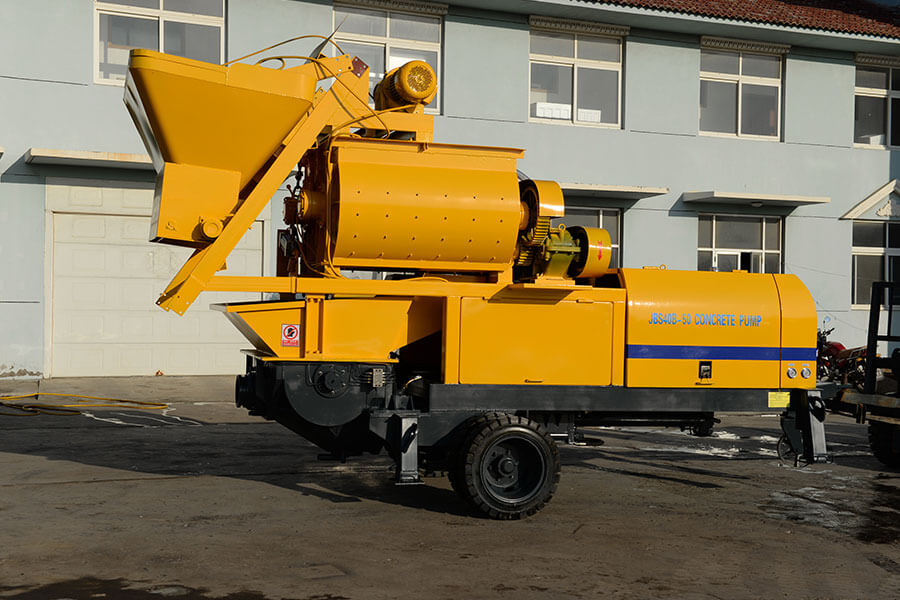
Twin Shaft Concrete Mixing Pump
This twin shaft concrete mixer pump overview combines a concrete pump table with a separate concrete mixer reference. The existing table lists a 40 m³/h theoretical pumping-output entry, a JS500/750 mixer reference and a 25/35 m³/h mixer-capacity entry. These are reference entries for quotation review, not verified manufacturer specifications or a guaranteed complete-process production rate. Compare this page with the twin shaft concrete mixer pump category and request the current configuration sheet for the unit being offered.
Pump output reference: 40 m³/h
Warranty reference: 18 months; confirm terms
Power references: 45/82/129 kW; confirm configuration
Supply options to confirm: 220/380/415/440/480 V; 50/60 Hz
More Twin Shaft Concrete Mixing Pump Details
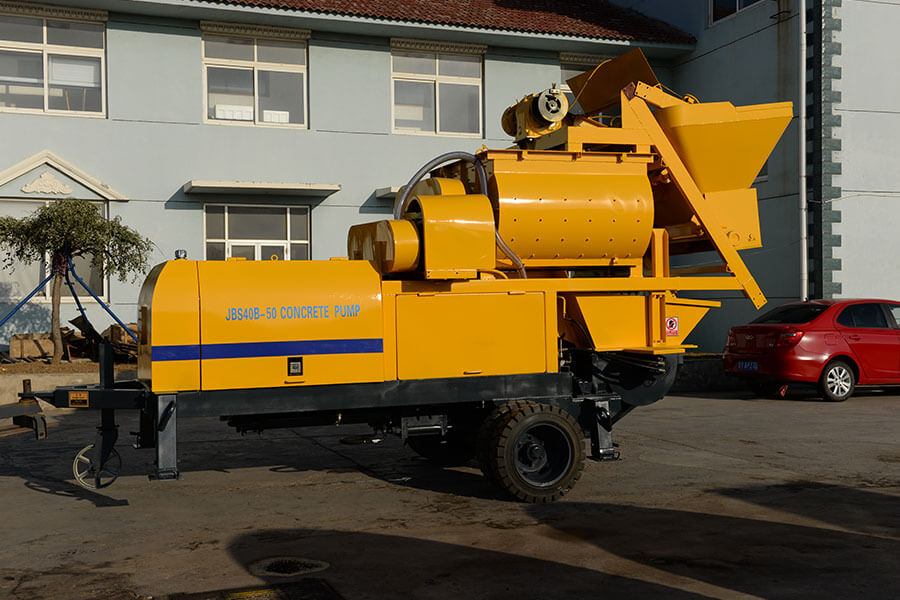
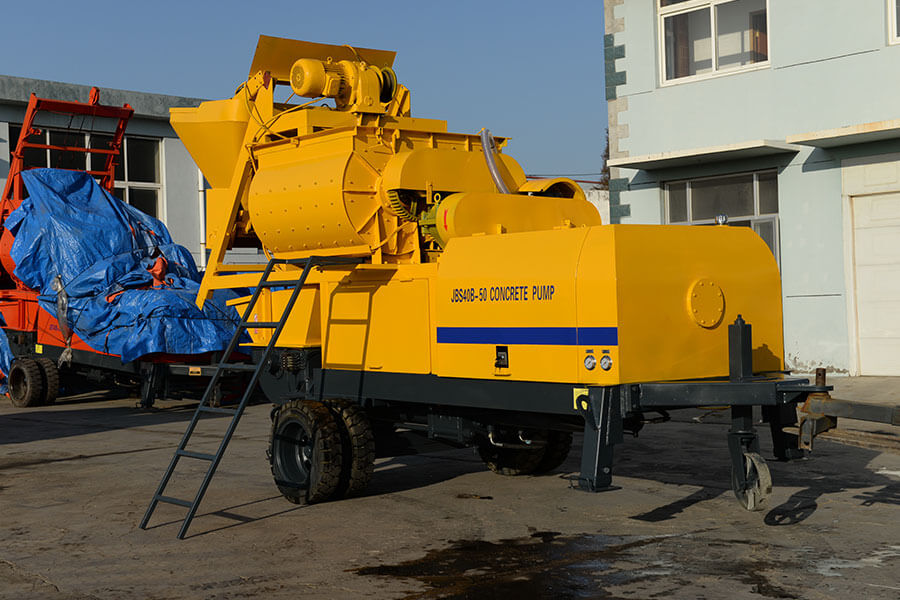
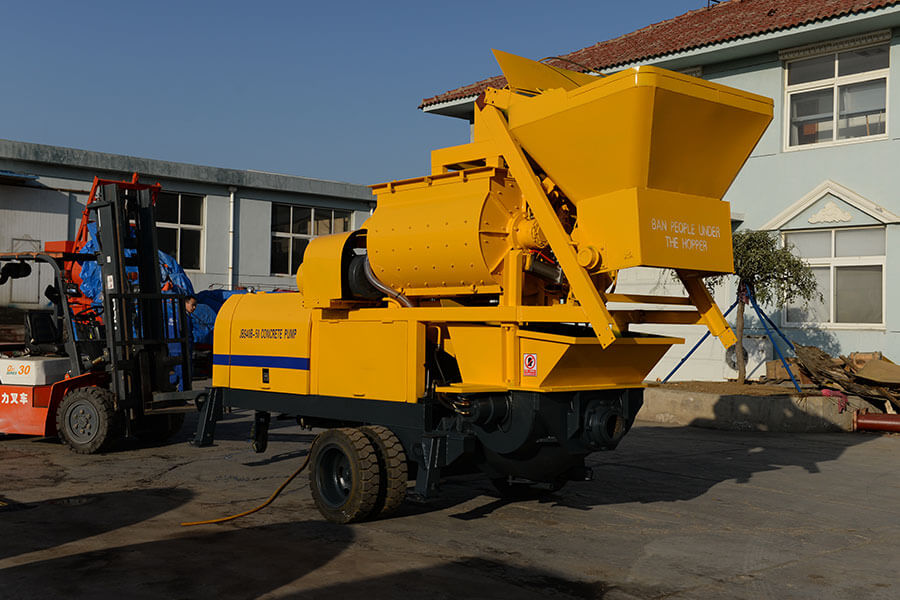
Pump and Twin-Shaft Mixer Configuration to Confirm
Pump section: the table lists a 40 m³/h theoretical pumping-output reference, 10 MPa maximum pumping-pressure reference, Φ150 delivery-pipe inside diameter and a 550 L pump receiving hopper. Ask for the actual pumping assembly, valve arrangement, approved pipe specification and output available at the pressure required for your route.
Power package: the table keeps a Motor power type entry and a 45/82/129 kW motor/engine reference. Confirm whether the quoted unit is electric, diesel or another configured package, and request the actual main drive, auxiliary motor, generator or site electrical requirements. Do not treat the slash values as one simultaneous total or a confirmed site connection demand.
Mixer section: the table lists JS500/750, a 25/35 m³/h mixer-capacity reference and forced mixer type. Confirm what JS500 and JS750 mean in the offered configuration, the actual batch yield, mixing cycle conditions, discharge arrangement and whether the mixer output matches the selected pump and material supply method.
Hydraulic and material limits: the table retains a Kawasaki oil-pump brand entry, an oil-pump parameter of 112 with previously unclear unit, delivery-distance pair 160/500 and aggregate-size pair 30/40. Confirm the unit, order, concrete conditions and material definitions before using these entries for project selection.
Transport and service: verify the listed 4800 × 2200 × 2800 mm dimensions, 5500 kg weight, loading method, service access, included accessories and documentation for the supplied unit.
Next, the conveying system enables continuous concrete transportation.
The concrete pump, which includes the pumping cylinder, piston, and distribution valve, relies on a hydraulic system to convey the mixed concrete smoothly to the designated location.
Meanwhile, the conveying pipeline uses high-strength, wear-resistant materials to ensure reliable and long-distance concrete delivery.
In addition, the power system supplies stable energy for the entire machine.
The engine or motor—typically a diesel engine or electric motor—provides the main driving force.
Moreover, the hydraulic system, consisting of hydraulic pumps, oil tanks, and control valves, supplies power to the pumping mechanism.
Finally, the control system ensures precise and safe operation.
The control panel allows operators to manage start-up, shutdown, and speed adjustment for both mixing and pumping processes through electronic or hydraulic control.
Furthermore, sensors and measuring instruments continuously monitor parameters such as temperature, pressure, and flow rate, ensuring stable performance and operational safety.
Balancing Mixer Output, Pumping Output and Site Supply
Treat batching, feeding, twin-shaft mixing, transfer to the pump receiving hopper, pumping route and placing crew as one process. The table separates a 40 m³/h theoretical pumping-output reference from JS500/750 and 25/35 m³/h mixer references. It does not confirm one hourly site production rate, a complete cycle time or a guaranteed continuous placing rate.
Before ordering, request the actual batch yield, mixing cycle conditions, mixer discharge arrangement and pumping output at the required pressure. Submit the concrete mix, slump/workability target, horizontal distance, vertical rise, pipe diameter, bends and end hose layout. Slash values such as 160/500 and 30/40 should not be assigned to conditions without supplier confirmation.
The operating manual and quotation should describe the actual control system, transfer arrangement, hydraulic system, mixer wear parts, lubrication, safety devices, commissioning and training. Automatic adjustment, reduced segregation, dust/noise compliance and a particular service life are not verified by this reference table.
Then, the mixed concrete flows through the delivery pipe into the pumping cylinder. Meanwhile, the hydraulic system drives the piston to move back and forth, pushing the concrete into the distribution valve. Finally, the distribution valve directs the concrete into the delivery pipeline and transports it smoothly to the designated location.
Twin Shaft Mixer Pump Selection and Quotation Checklist
Output match: agree the required placing rate, mixer batch yield, cycle conditions and material supply method. The pump output and mixer-capacity references should be reviewed together instead of converted into a single guaranteed production number.
Drive and electrical scope: confirm the exact motor, engine, generator or site-supply arrangement behind the 45/82/129 kW reference, plus mixing and hoisting motor requirements, control cabinet and starting method.
Mixer configuration: identify whether the quoted unit uses JS500, JS750 or another mixer arrangement. Confirm lining, blades, discharge gate, water dosing, weighing or batching interface, cleaning access and wear-parts list.
Pipeline and concrete: request clarification of the 160/500 distance pair and 30/40 aggregate-size pair, then obtain a model-specific review of the complete route and concrete mix. Do not combine separate maximum output, pressure and distance entries as one guaranteed operating point.
Site and compliance: confirm transport dimensions, operating footprint, access, noise, dust, ventilation, washout and local compliance requirements for the actual installation. The table and photos do not define approval for every jobsite.
Order scope: itemize the machine configuration, pipework, bends, clamps, end hoses, cleaning accessories, manuals, commissioning, training and spare parts. The page retains an 18-month warranty reference; agree its start date, coverage, exclusions, wear-parts treatment and service responsibilities in writing.
High Efficiency
The twin-shaft mixing system delivers fast and uniform mixing, which shortens mixing time and increases overall productivity. Moreover, by integrating mixing and pumping functions, the equipment reduces material transfer and handling time, significantly improving construction efficiency.
Excellent Uniformity
The twin-shaft design actively prevents concrete segregation and ensures consistent material distribution, thereby improving overall concrete quality.
Strong Flexibility
With its compact structure and easy mobility, the equipment adapts well to various construction sites. In addition, operators can adjust both mixing and pumping speed and capacity to meet the requirements of different projects.
High Reliability
The machine uses high-strength, wear-resistant materials to ensure long service life. Furthermore, advanced control systems and sensors monitor and adjust the mixing and pumping processes in real time, ensuring stable and reliable operation.
Environmental Protection
Thanks to effective sealing, the equipment minimizes dust emission and operating noise, meeting environmental standards. In addition, integrated dust removal and noise reduction devices further reduce environmental impact.
Twin Shaft Mixer Pump Reference Specifications
| Model | Pump with twin shaft mixer | |
| Concrete pump | Theoretical pumping output (m³/h) | 40 |
| Maximum concrete pumping pressure (MPa) | 10 | |
| Power type | Motor | |
| Motor/engine power references (kW; configuration to confirm) | 45/82/129 | |
| Main oil pump | Kawasaki | |
| Main oil pump parameter (unit to confirm) | 112 | |
| Theoretical delivery distance (m; pair order to confirm) | 160/500 | |
| Pump receiving hopper capacity (L) | 550 | |
| Maximum aggregate size reference (mm; pair conditions to confirm) | 30/40 | |
| Delivery pipe inside diameter (mm) | Φ150 | |
| Mixer loading capacity (L) | 720 | |
| Mixer discharge capacity (L) | 450 | |
| Mixing motor (kW) | 5.5 | |
| Hoisting motor (kW) | 4.5 | |
| Dimensions: length × width × height (mm) | 4800x2200x2800 | |
| Total weight (kg) | 5500 | |
| Concrete mixer | Mixer reference | JS500/750 |
| Mixer capacity reference (m³/h; conditions to confirm) | 25/35 | |
| Mixer type | Forced mixer | |
Read before ordering: this overview preserves the existing twin shaft concrete mixing pump table entries. They are reference values, not verified manufacturer specifications or a site-performance guarantee. The 40 m³/h pump entry, JS500/750 mixer reference and 25/35 m³/h mixer-capacity entry describe different parts of the process and should not be merged into a single guaranteed output. The 45/82/129 kW power reference, oil-pump parameter, 160/500 distance pair and 30/40 aggregate pair all require configuration, unit, order and condition confirmation. List the exact mixer model, drive package, auxiliary electrical requirements, batching/feeding arrangement, pipework, accessories, transport and warranty terms in the signed quotation.
Twin Shaft Mixer Pump Overview: Buyer Questions
Is the 40 m³/h entry the complete site production rate?
No. It is the theoretical pumping-output reference in the pump section of the table. The table separately lists JS500/750 and a 25/35 m³/h mixer-capacity reference, but it does not confirm the complete hourly site production rate, mixing cycle time or continuous placing rate. Confirm batch yield, mixer output and pumping output under your actual concrete and route conditions.
How should I read the 45/82/129 kW power entry?
Treat it as a configuration reference that needs clarification. The same table also lists a Motor power type and separate 5.5 kW mixing and 4.5 kW hoisting motor entries. Ask whether the quoted unit is electric, diesel or another configured package, and request the actual drive diagram, auxiliary electrical or generator requirements and starting arrangement.
What needs confirmation for JS500/750 and 25/35 m³/h?
Ask what mixer model is included, how JS500 and JS750 apply to the quotation, and what conditions support the 25/35 m³/h mixer-capacity entry. Confirm batch yield, discharge volume, mixing cycle, feeding method, water dosing, batching interface and whether the mixer output is balanced with the selected pump and placing route.
Which unclear table entries should be checked before ordering?
Confirm the oil-pump parameter unit and definition, the order and conditions of the 160/500 delivery-distance pair, and the material definitions behind the 30/40 aggregate-size pair. Also itemize pipework, accessories, manuals, commissioning, training, spare parts and the written scope of the 18-month warranty reference.
Request a Configuration-Based Quotation
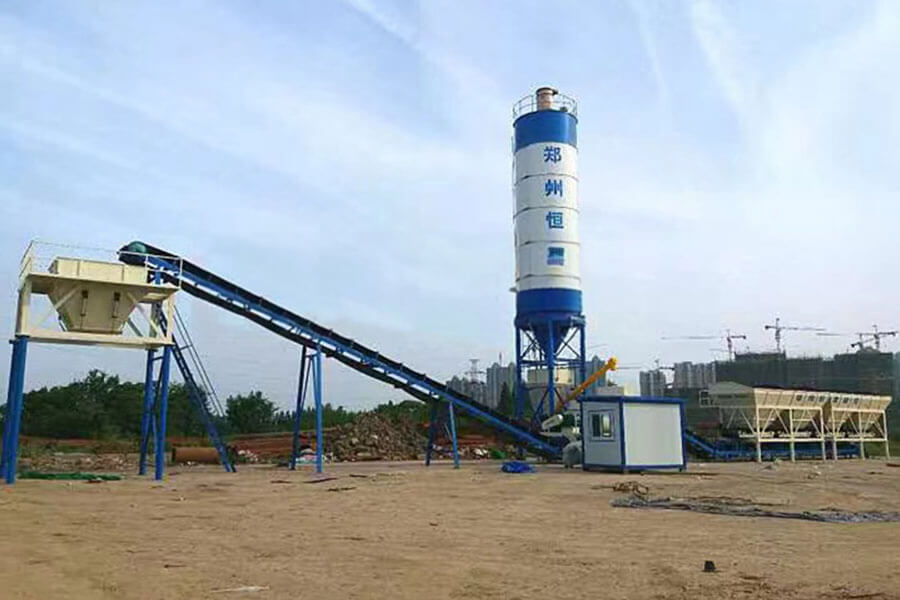
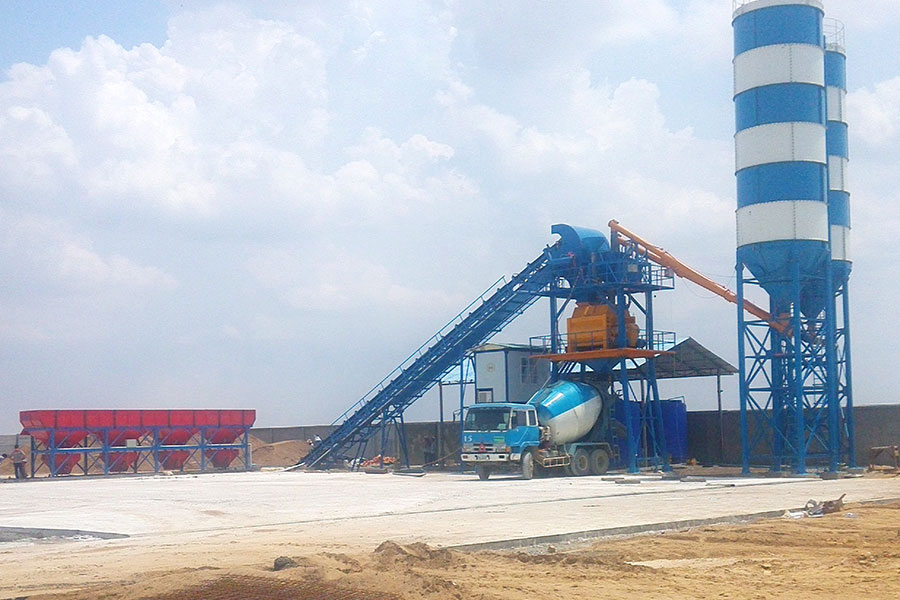
Twin Shaft Concrete Mixing Pump product overview
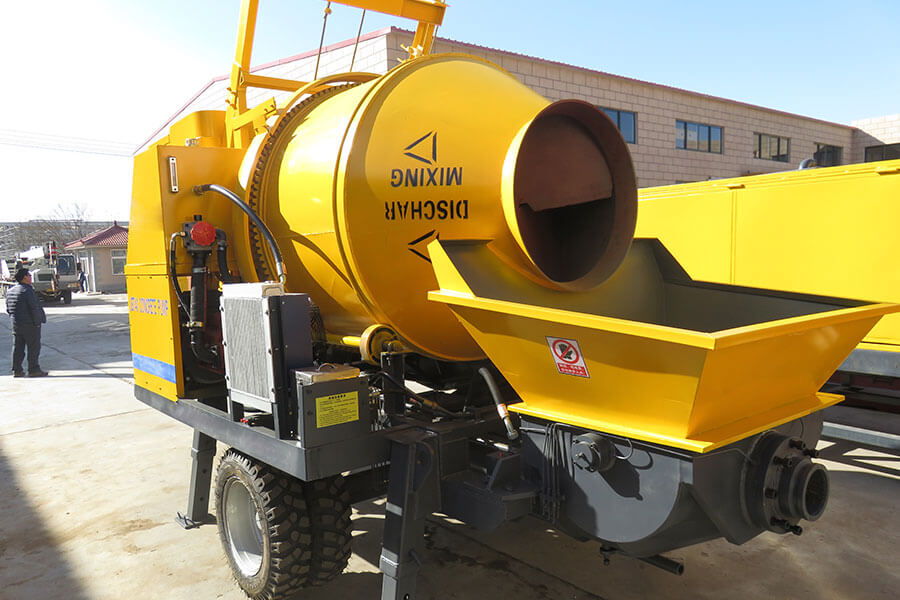
This concrete mixer pump combines onsite concrete mixing and pumping in one compact system, helping simplify equipment matching for small and medium construction projects. The model should be reviewed according to mixing capacity, pumping distance, aggregate size, power source, mobility, and maintenance access.
Selection notes for quotation planning
For quotation planning, confirm concrete grade, aggregate size, required output, vertical and horizontal pumping distance, diesel or electric power conditions, trailer movement needs, hose or pipe layout, and spare-parts package.