Diesel Engine Twin Shaft Concrete Mixer
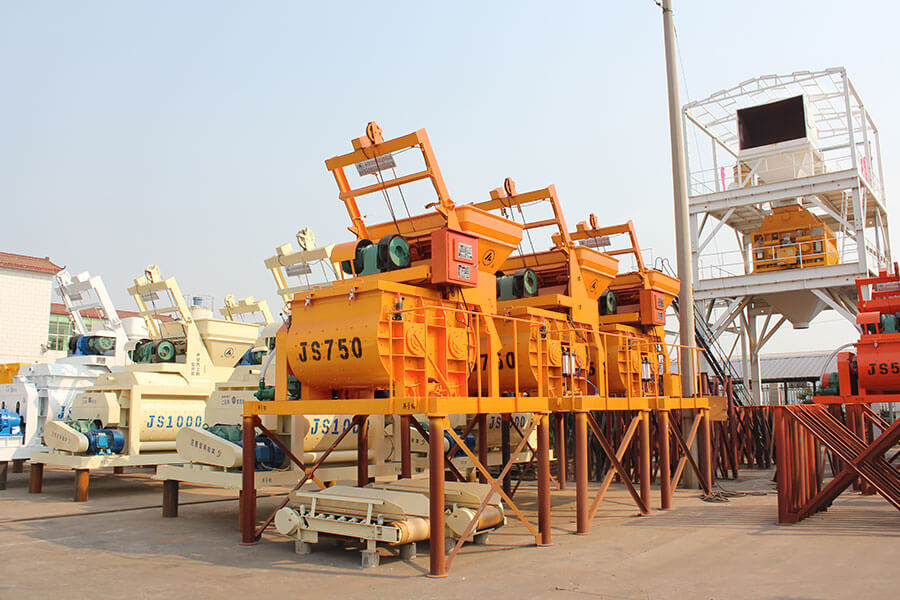
This diesel engine twin shaft concrete mixer overview helps buyers compare JS500, JS750, JS1000, JS1500, JS2000 and JS3000 models when grid power is limited, unstable or not available. The existing table lists discharge capacities from 500 L to 3000 L, feed capacities from 800 L to 4200 L and productivity references from ≥25 m³/h to ≥150 m³/h. These are reference entries for model comparison, not guaranteed site output. Compare this page with the twin shaft concrete mixer category and request the current diesel-package technical sheet for the exact model being quoted.
Productivity reference: ≥25–≥150 m³/h
Warranty reference: 18 months; confirm terms
Feed capacity reference: 800–4200 L
Site supply and diesel package: confirm final configuration
More Product Details
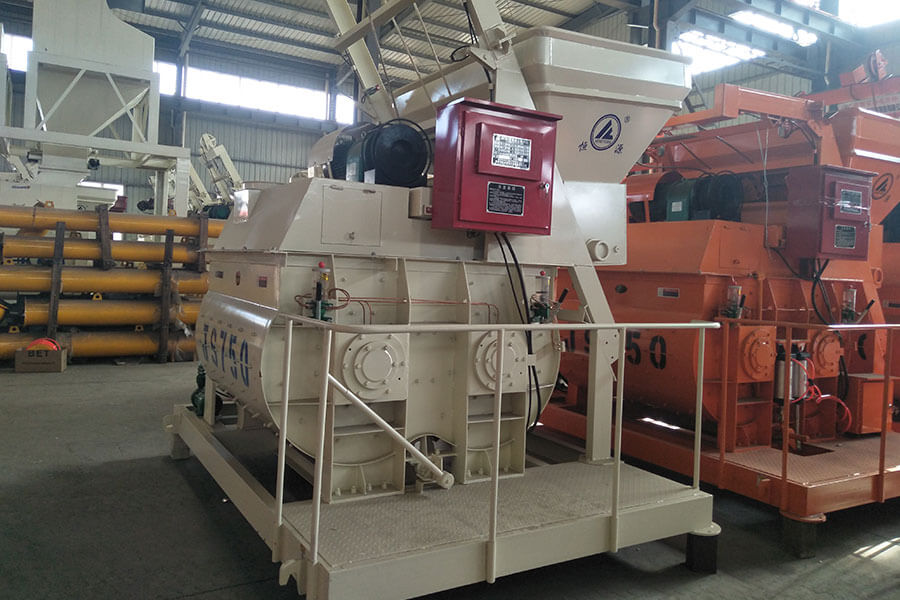
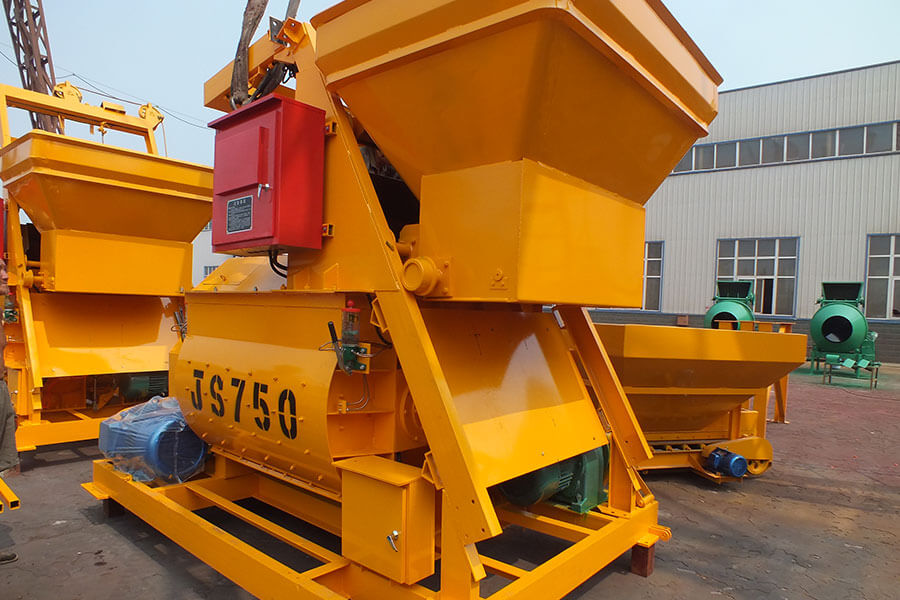
Diesel Twin Shaft Mixer Configuration Checks
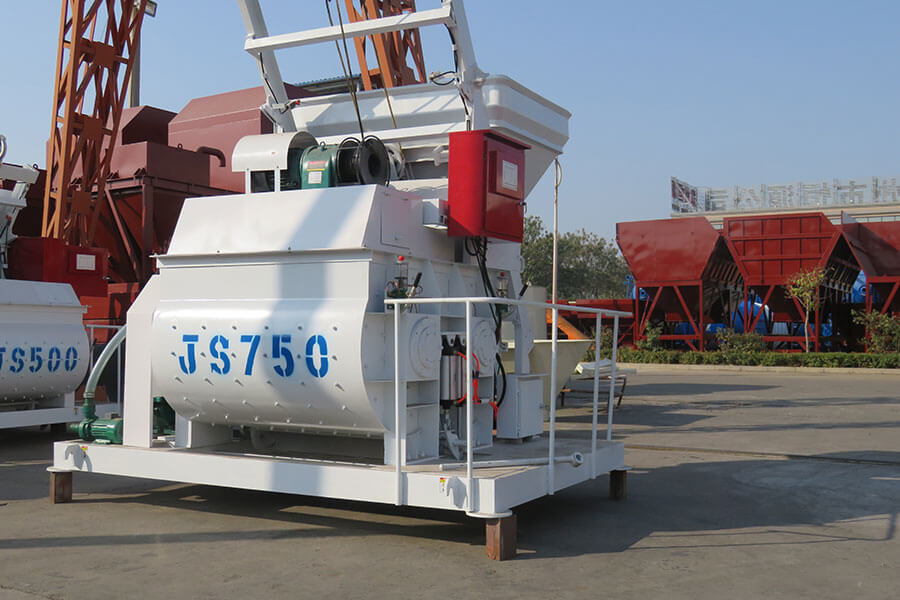
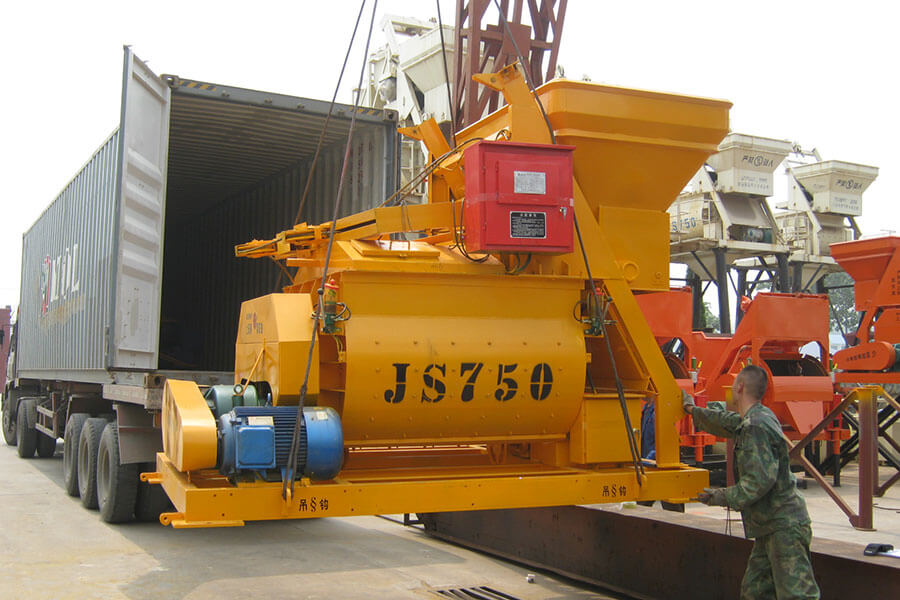
Mixing system: confirm the JS model, discharge capacity, feed capacity, blade speed and number of blending blades. The selected model should match required batch volume, concrete mix and production rhythm.
Diesel power package: confirm diesel engine brand, rated power, starting method, fuel consumption reference, cooling method and maintenance access. If the table still lists blade motor, winch motor or water-pump motor references, ask which components remain electric and whether a generator or auxiliary electrical supply is included.
Aggregate and wear limits: the table keeps an 80/60 mm maximum aggregate-size reference across the model range. Confirm which value applies to pebble or crushed-stone aggregate, and check liner, blade and shaft-seal material for the planned mix.
Installation fit: compare dimensions, machine weight, hopper lifting speed, exhaust direction, ventilation and service space before ordering. Larger JS2000 and JS3000 entries require more foundation planning and maintenance clearance.
Confirm the diesel engine, transmission, clutch or coupling arrangement, cooling system and fuel tank details. The quotation should clearly state whether auxiliary motors, generator set, control cabinet and wiring are included.
Confirm the frame, shell, liner and access-door design against the current drawing. Diesel-driven equipment also needs exhaust clearance, vibration control and safe service access around the engine side.
Confirm the feed and discharge interface with the batching plant, skip hopper or belt conveyor. Discharge height, gate type and downstream equipment should match the actual plant arrangement.
Confirm the control panel, sensors, emergency stops and interlocks supplied with the mixer. If the mixer will work with a batching plant control system, request interface and signal details.
Confirm whether the engine uses air cooling or water cooling, and check radiator clearance, fan guards, coolant requirements, operating temperature range and daily maintenance points.
How to Review the Diesel Twin Shaft Mixing Workflow
A diesel twin shaft mixer starts with the diesel engine and transmission system supplying power to the mixing shafts, then materials enter the mixing chamber through the feed port.
During mixing, blade arrangement, shaft speed, batch volume, engine load and material moisture affect uniformity and cycle time. Use the productivity references for model comparison, then confirm realistic output for the full site workflow.
After mixing, confirm discharge-gate type, discharge height, downstream hopper or truck position, cleaning access, exhaust routing and safe operating space before finalizing the layout.
Diesel Twin Shaft Mixer Selection Checklist
Use the checklist below before choosing a diesel JS twin shaft mixer model:
Power independence: confirm why diesel power is needed, whether any electric auxiliary system remains, and whether the site needs a generator, battery charger or control-power supply.
Mixing capacity: compare discharge capacity, feed capacity and productivity reference against required batch volume, hourly output and concrete type.
Structure and wear parts: check liner, blade, shaft seal, lubrication and maintenance access. Request recommended spare parts for the planned aggregate abrasiveness.
Operation and safety: confirm emergency stops, guards, control panel, operator position, exhaust direction, fuel handling and daily inspection points.
Service readiness: verify installation guidance, engine manual, wiring diagram, warranty scope, wearing-parts list and after-sales response before placing the order.
Compliance assumptions: do not rely on broad emissions wording alone. Ask for the diesel engine model, applicable emission standard and documentation required in your market.
Diesel Engine Twin Shaft Concrete Mixer Reference Specifications
| Model | JS500 | JS750 | JS1000 | JS1500 | JS2000 | JS3000 |
| Discharge capacity reference (L) | 500 | 750 | 1000 | 1500 | 2000 | 3000 |
| Feed capacity reference (L) | 800 | 1200 | 1600 | 2400 | 3200 | 4200 |
| Productivity reference (m³/h; conditions to confirm) | ≥25 | ≥37.5 | ≥50 | ≥75 | ≥120 | ≥150 |
| Maximum aggregate size reference (mm) | 80/60 | 80/60 | 80/60 | 80/60 | 80/60 | 80/60 |
| Blade speed reference (r/min) | 35 | 31 | 25.5 | 25.5 | 23 | 28 |
| Number of blending blades reference (pcs) | 2×7 | 2×7 | 2×8 | 2×10 | 2×10 | 2×10 |
| Blade motor model / auxiliary drive reference | Y180M-4 | Y200M-4 | Y225M-4 | Y225M-4 | Y280S-4 | Y280M-4 |
| Blade motor power / auxiliary power reference (kW) | 18.5 | 30 | 37 | 18.5 | 22 | 30 |
| Winch motor model reference | YEZ1325-4-B5 | YEZ1325-4-B5 | YEZ160S-4 | YEZ180L-4 | YEJ180L-4 | YEJ200L-4 |
| Winch motor power reference (kW) | 5.5 | 7.5 | 15 | 45 | 75 | 90 |
| Water pump motor model reference | 500WB20-BA | 650WB35-5 | KQW65-100I | KQW65-100I | KQW65-100I | KQW65-100I |
| Water pump motor power reference (kW) | 0.75 | 1.1 | 3 | 3 | 4 | 5.5 |
| Hopper lifting speed reference (m/min) | 18 | 18 | 21.9 | 23 | 23 | 23 |
| Overall dimensions reference (mm) | 4461x3050x5225 | 4951x3650x6225 | 8765x3436x9540 | 9645x3436x9700 | 10560x3876x10710 | 12580x4620x12890 |
| Machine weight reference (kg) | 4000 | 5500 | 8700 | 11130 | 15000 | 20000 |
Parameter note: the existing table keeps the original model values for JS500, JS750, JS1000, JS1500, JS2000 and JS3000. Use these entries for model comparison only. Because this page describes a diesel engine version while the table includes motor references, confirm the actual diesel engine package, auxiliary electric components, discharge capacity, feed capacity, productivity reference, aggregate-size limit, blade speed, hopper lifting speed, dimensions and machine weight against the current technical sheet before ordering.
Diesel Engine Twin Shaft Concrete Mixer: Buyer Questions
When is a diesel engine twin shaft concrete mixer a better fit?
It is usually considered when grid power is limited, unstable or not available. Buyers should still confirm whether auxiliary electric components remain and whether a generator, battery or control-power supply is required.
Is the listed productivity a guaranteed site output?
No. Treat productivity as a reference for model comparison. Actual output depends on batching speed, water dosing, mixing time, discharge time, engine load, material supply and the complete site workflow.
What diesel package details should be confirmed before ordering?
Confirm diesel engine brand and model, rated power, starting method, cooling method, fuel consumption reference, fuel-tank arrangement, exhaust routing, maintenance access and spare-parts support.
Which table entries need special checking against the quotation?
Check discharge capacity, feed capacity, productivity reference, 80/60 mm aggregate-size entry, blade speed, blending-blade count, motor references, hopper lifting speed, dimensions and machine weight against the current diesel-package technical sheet.