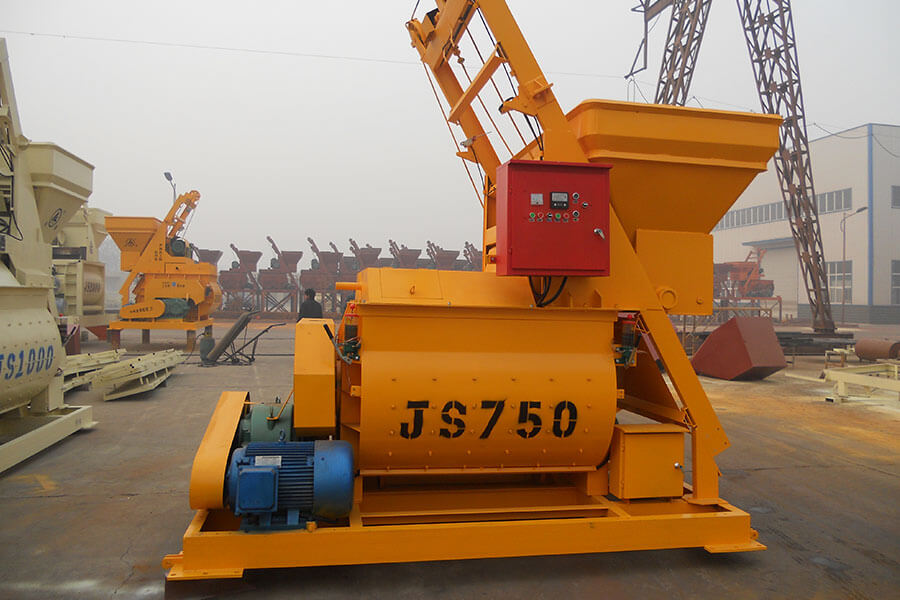
JS750 Twin Shaft Concrete Mixer
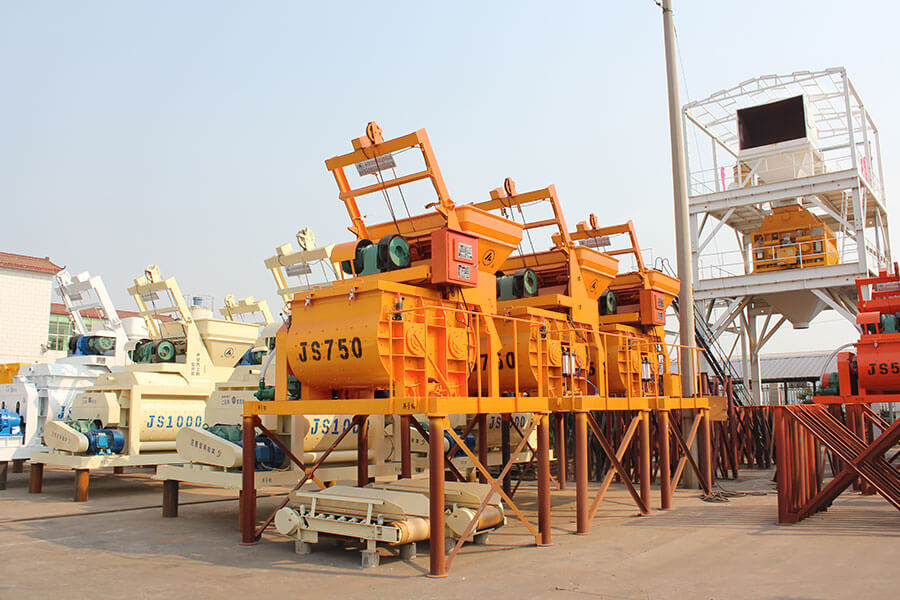
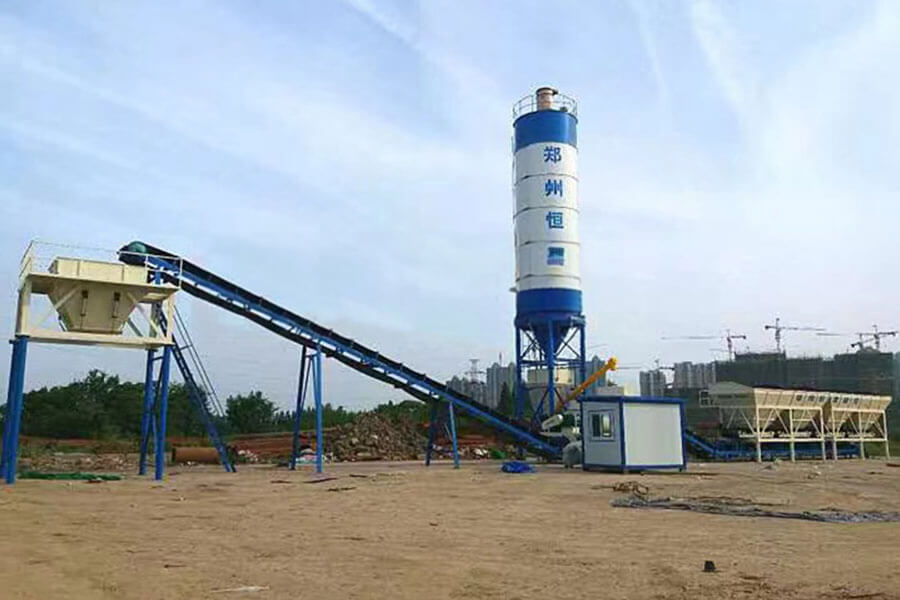
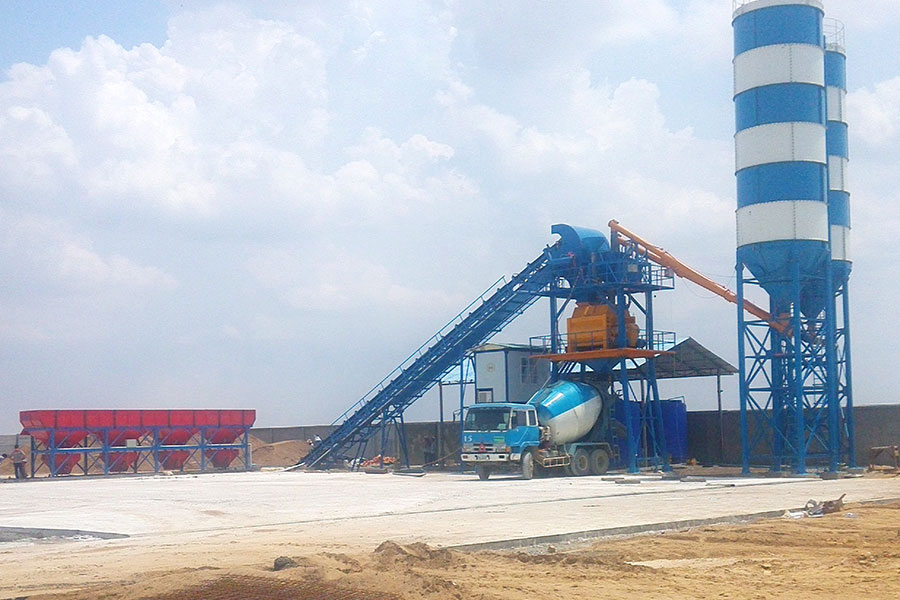
The JS750 twin shaft concrete mixer serves as a forced mixing solution for various construction and infrastructure projects. It delivers high efficiency, uniform mixing performance, reliable operation, and a durable design. As a result, contractors widely use the mixer in road construction, bridge construction, prefabricated component production, concrete batching plants, and large-scale construction projects.
Capacity:≥37.5m³/h
Warranty: 18 months
Mixer Motor Power: 30Kw
Voltage: 220v/380v/415v/440v/480v(50Hz/60Hz)
More Product Details
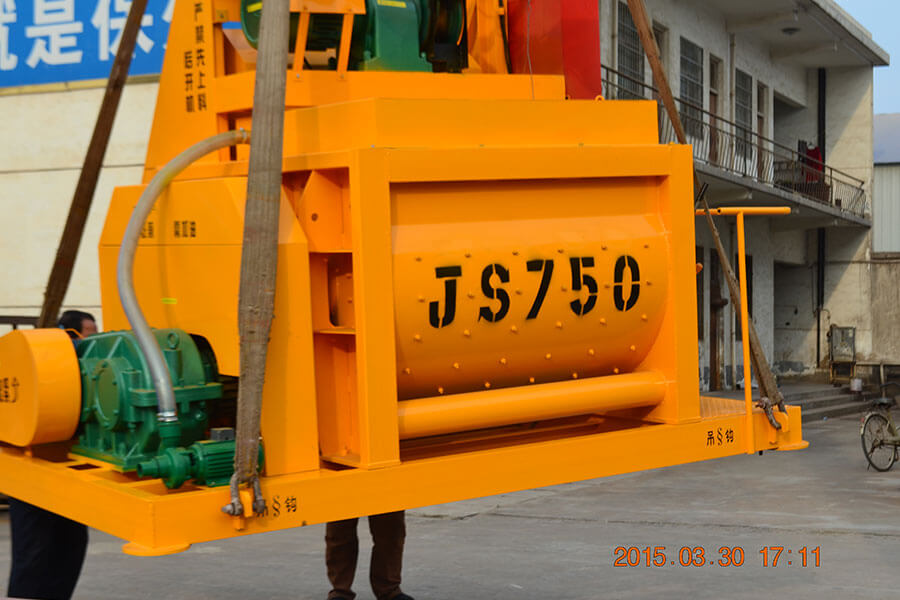
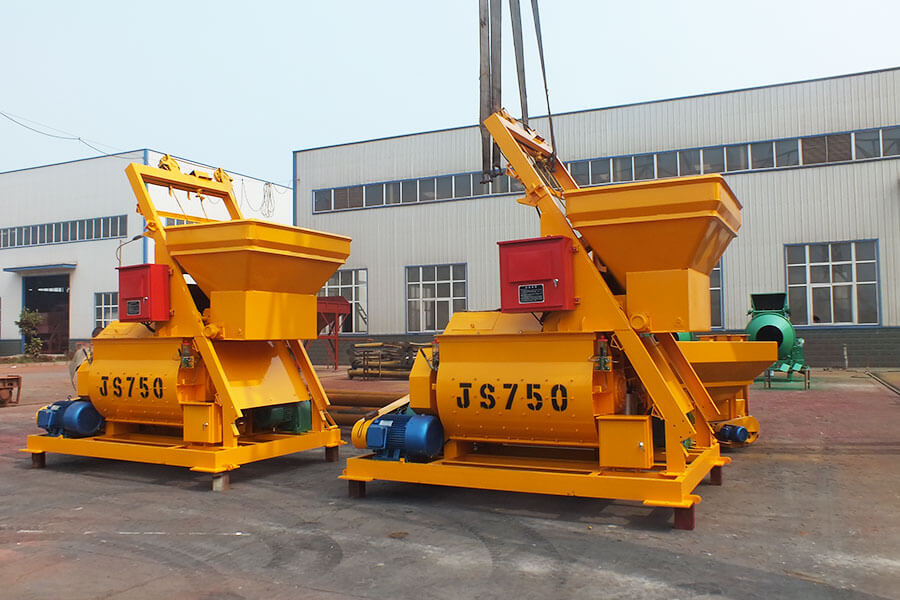
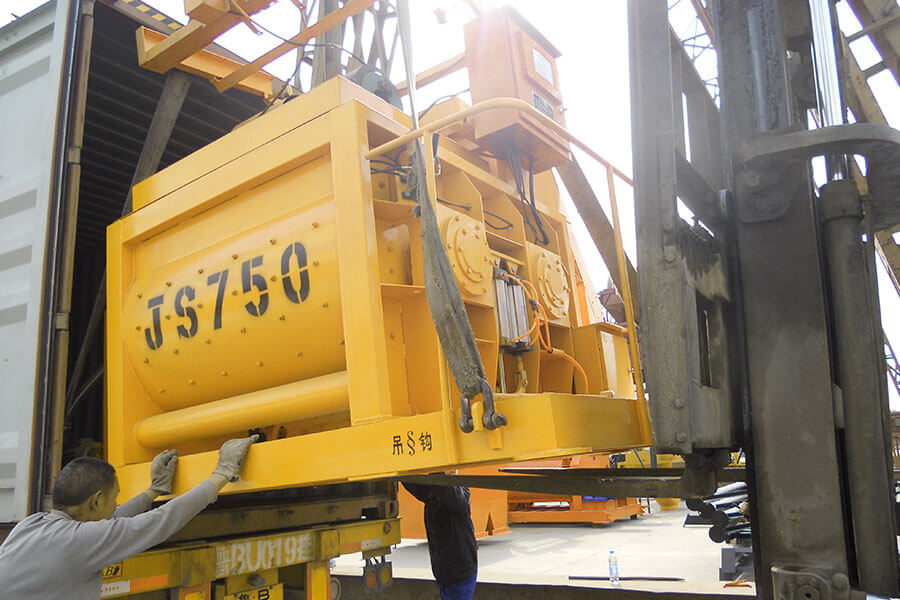
Structure of JS750 Twin Shaft Concrete Mixer
The JS750 twin shaft concrete mixer consists of several key components that work together to ensure efficient and stable operation.
At the core, the mixing drum adopts a twin-shaft structure and contains multiple mixing blades. These blades actively force the concrete materials to mix thoroughly, ensuring uniform consistency.
Within the drum, the twin-shaft mixing system uses two horizontally arranged rotating shafts. Through strong rotational force and symmetrical mixing action, the system delivers fast and even material blending.
To provide sufficient power, a high-performance motor drives the mixer and maintains stable operation even under heavy load conditions.
Meanwhile, the reducer and transmission system efficiently transfer power from the motor to the mixing shafts, ensuring smooth rotation and reliable torque output.
For material input, the feeding system incorporates practical structures such as a feeding hopper or lifting device. This design allows operators to load cement, sand, gravel, and other raw materials quickly and efficiently.
Once mixing is complete, the discharging system releases the finished concrete rapidly through the discharge port, improving overall work efficiency.
In terms of operation, the mixer integrates an intelligent control system that supports both manual and automatic control modes, offering flexibility for different working conditions.
Finally, the frame and support structure use high-strength steel to ensure overall stability and durability. Depending on site requirements, the mixer features support legs or a wheeled chassis for easy installation and relocation.
Working principle of JS750 Twin Shaft Concrete Mixer
The JS750 twin shaft concrete mixer operates according to a clear and efficient working principle.
At the input stage, operators load cement, sand, gravel, and other concrete raw materials into the mixer through the feed port. An automatic lifting device typically transfers the materials from ground level into the mixing drum, improving feeding efficiency.
During operation, the motor starts and drives the reducer, which then transmits power to the twin mixing shafts. As the shafts rotate, the mixing blades spin at high speed. Under the action of the forced mixing system, the materials continuously flip, collide, and interlock inside the drum, ensuring thorough and uniform mixing.
Once mixing is complete, the operator controls the discharge system to open the discharge port. The mixer then releases the finished concrete quickly for downstream use. Overall, the entire process runs smoothly and efficiently, maximizing productivity while saving time.
JS750 Twin Shaft Concrete Mixer Advantages
1. In terms of mixing performance, the dual-shaft forced mixing system fully blends concrete raw materials, ensures consistent concrete quality, and effectively reduces segregation and stratification.
2. At the same time, the forced mixing principle enables fast mixing speed with a short cycle time, significantly improving overall production efficiency.
3. From a structural perspective, the mixer features a stable design and uses high-strength materials, allowing it to withstand long-term, high-intensity operation.
4. Regarding operation, the equipment provides a simple and intuitive interface, while the control system supports both manual and automatic operating modes.
5. In addition, the mixer adopts high-efficiency motors that deliver low energy consumption and low noise, meeting modern environmental protection requirements.
6. In practical applications, the mixer adapts well to dry-hard concrete, plastic concrete, and lightweight aggregate concrete.
7. Thanks to this versatility, the equipment is widely used in medium-sized construction projects, large road works, prefabricated component factories, and concrete batching plants.
8. Over the long term, the mixer maintains a low failure rate, reduces maintenance costs, and offers a long service life, ensuring high efficiency and reliable operation.
JS750 Twin Shaft Concrete Mixer Parameters
| Model | JS750 |
| Discharge capacity (L) | 750 |
| Feed capacity (L) | 1200 |
| Productivity (m³/h) | ≥37.5 |
| Maximum aggregate size (mm) | 80/60 |
| Blade speed (r/min) | 31 |
| Number of blending blades (pcs) | 2×7 |
| Blade motor model | Y200M-4 |
| Blade motor power (kw) | 30 |
| Winch motor model | YEZ1325-4-B5 |
| Winch motor power (kw) | 7.5 |
| Water pump motor model | 650WB35-5 |
| Water pump motor power (kw) | 1.1 |
| Hopper lifting speed (m/min) | 18 |
| Dimensions (mm) | 4951x3650x6225 |
| Machine weight (kg) | 5500 |
JS750 Twin Shaft Concrete Mixer FAQ
What is the JS750 Twin Shaft Concrete Mixer used for?
The JS750 Twin Shaft Concrete Mixer is used for concrete mixing in batching plants, precast production, and construction projects that need consistent mixing performance.
What capacity or configuration should buyers check for the JS750 Twin Shaft Concrete Mixer?
The JS750 Twin Shaft Concrete Mixer page lists model-specific capacity and configuration details. Buyers should confirm the required output, working hours, material supply, and site conditions before final selection.
How should buyers choose the JS750 Twin Shaft Concrete Mixer?
Buyers comparing the JS750 Twin Shaft Concrete Mixer should check the listed model configuration against required capacity, installation conditions, control requirements, and supporting equipment on site.
What support should be confirmed before purchasing the JS750 Twin Shaft Concrete Mixer?
Buyers should confirm the 18-month warranty reference for the JS750 Twin Shaft Concrete Mixer, together with installation requirements, power supply, documentation, and after-sales arrangements before ordering.