Vertical Planetary Concrete Mixer
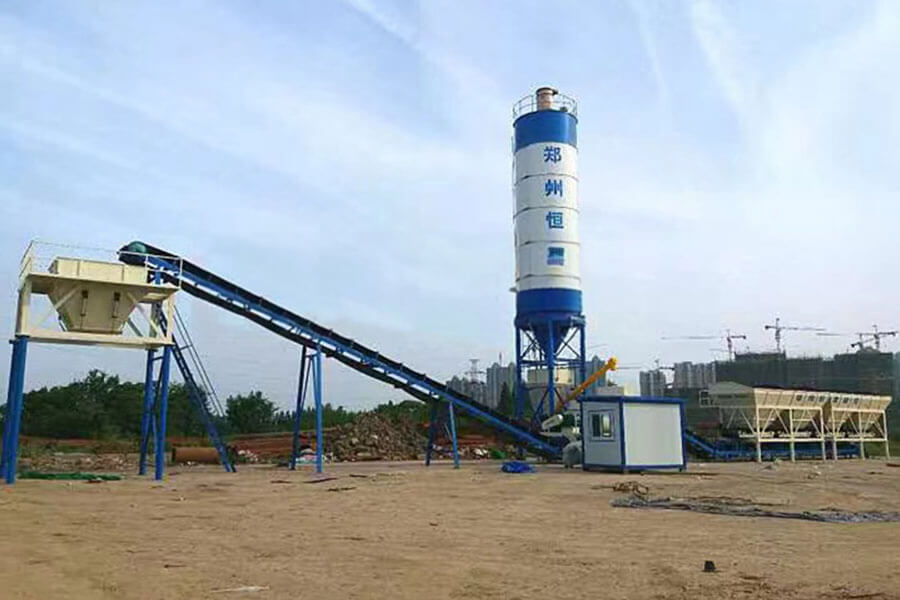
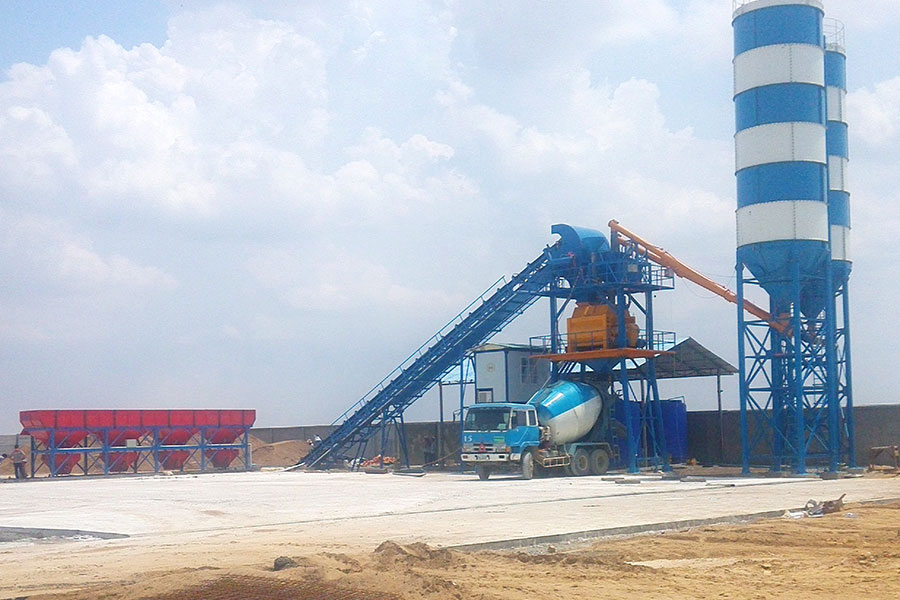
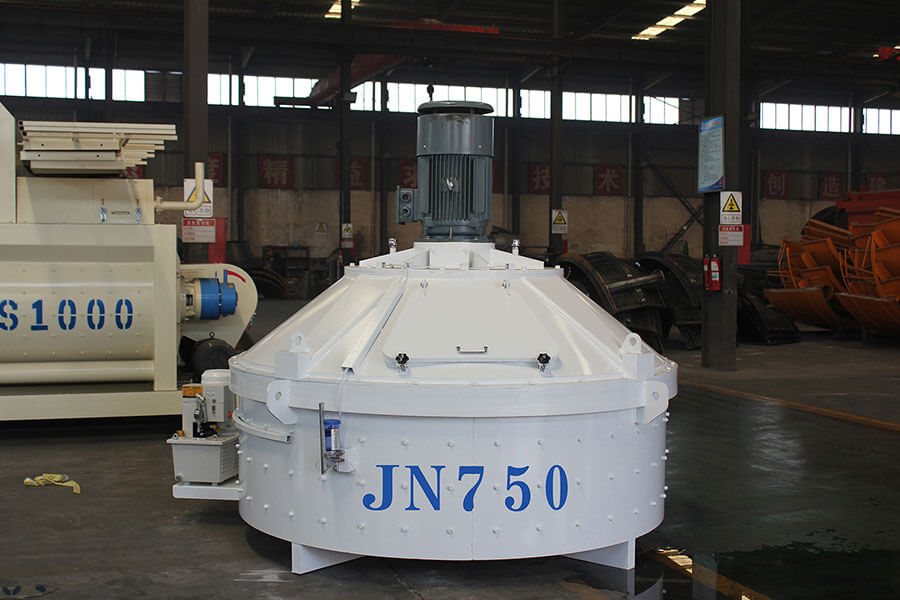
This vertical planetary concrete mixer overview helps buyers compare JN500, JN750, JN1000, JN1500, JN1500A, JN2000, JN2500 and JN3000 models for precast concrete, blocks, pavers and batching-plant applications that need intensive mixing. The existing table lists feed capacities from 800 L to 4500 L, discharge capacities from 500 L to 3000 L and aggregate-size references of ≤60 mm or ≤80 mm. These are reference entries for model comparison, not guaranteed output for every mix design. Compare this page with the vertical-shaft planetary concrete mixer category and request the current technical sheet for the exact JN model being quoted.
Discharge capacity reference: 500–3000 L
Warranty reference: 18 months; confirm terms
Feed capacity reference: 800–4500 L
Supply options to confirm: 220/380/415/440/480 V; 50/60 Hz
More Product Details
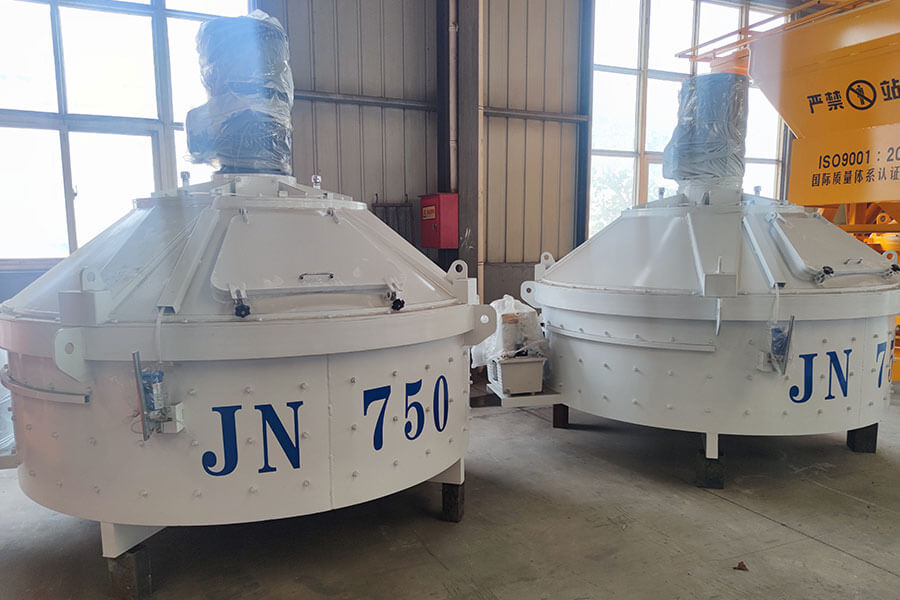
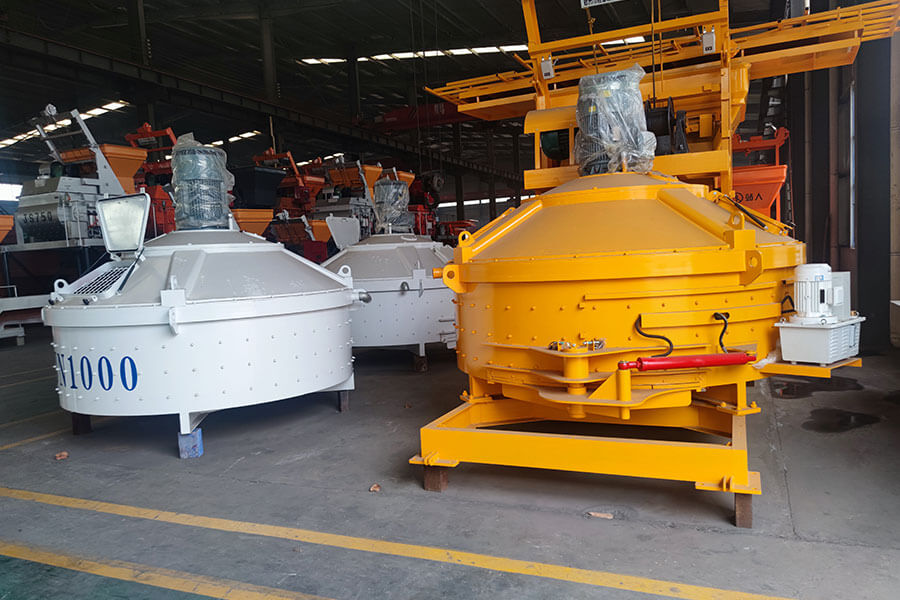
Vertical Planetary Mixer Configuration Checks
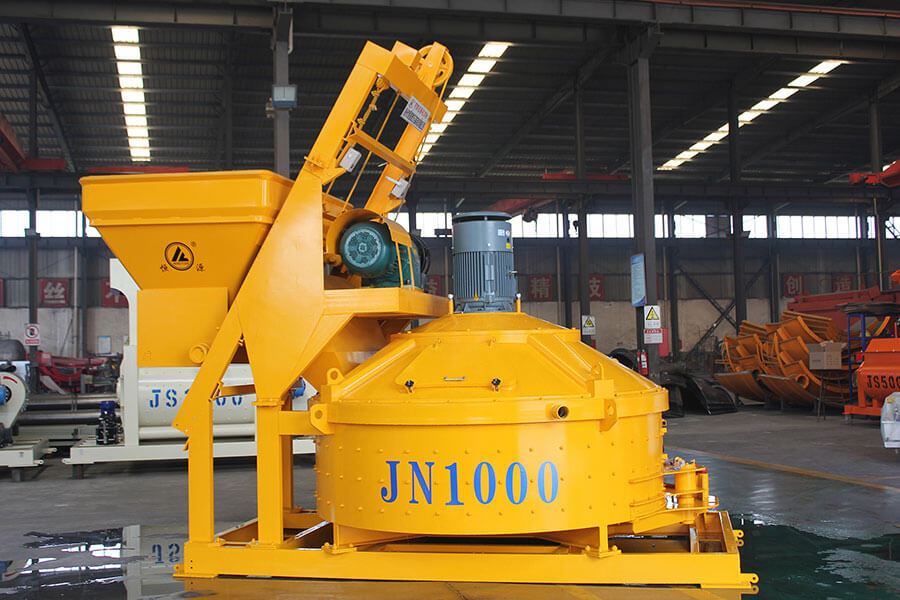
Mixing system: confirm the JN model, feed capacity, discharge capacity, autorotation speed, revolution speed, mixing-blade arrangement and side-scraper arrangement. The selected mixer should match required batch volume, concrete type and expected uniformity.
Planetary motion: check how the rotating arms, planetary blades and scraper blades cover the mixing pan. For precast or block production, ask for recommended mixing time, moisture range and cleaning procedure for your mix design.
Motor and drive package: the table lists motor-power references from 18.5 kW to multi-motor configurations such as 3×37 kW. Confirm voltage, frequency, reducer configuration, motor protection and control-cabinet requirements for the exact model.
Installation fit: compare machine weight, foundation load, service space, discharge-gate position, feeding height and downstream equipment before ordering. Larger JN2500 and JN3000 entries need more layout planning and lifting access.
Confirm the drive motor, reducer, coupling, inverter or soft-start requirements and lubrication points. If variable-frequency control is offered, ask which speed range is approved for the mixer and whether it changes the quoted output.
Confirm the frame, housing, lining material, access doors and inspection ports against the current drawing. Wear liner thickness and replacement access matter for abrasive aggregates and high-frequency production.
Confirm the feeding and discharge interfaces, including aggregate inlet position, cement inlet, water and additive entry, discharge-gate type and downstream hopper or conveyor arrangement.
Confirm the control panel, sensors, safety interlocks, emergency stops and batching-plant communication interface. The control scope should match the plant automation level.
Confirm whether automatic lubrication is included, which points are lubricated, recommended lubricant grade, daily inspection routine and alarm or reminder functions.
How to Review the Planetary Mixing Workflow
A vertical planetary mixer combines rotation around the central vertical axis with local blade movement, helping materials move through multiple paths inside the pan. Review the workflow as a complete cycle: feeding, dry mixing if required, water and additive dosing, wet mixing, discharge and cleaning. The table speeds and blade counts are useful comparison points, but realistic output depends on mix design, batching accuracy, moisture control and discharge time.
Vertical Planetary Mixer Selection Checklist
Use the checklist below before choosing a JN planetary mixer model:
Mixing requirement: define whether the mixer will produce precast concrete, blocks, pavers, dry-cast mix, wet concrete or specialty material. Confirm mixing time and uniformity requirements.
Capacity match: compare feed capacity and discharge capacity against batch size, aggregate loading method and downstream production rhythm.
Power and controls: confirm voltage, frequency, motor power, reducer configuration, control cabinet, safety interlocks and automation interface.
Material limits: check aggregate-size reference, moisture range, additive dosing method, liner material and blade material for the planned mix.
Wear parts: request the liner, blade, scraper, seal and lubrication parts list, together with recommended replacement intervals for your aggregate abrasiveness.
Maintenance access: confirm cleaning access, inspection ports, lifting clearance, lubrication points and safe lockout procedure before finalizing the layout.
Environmental assumptions: if dust collection or enclosed feeding is needed, ask whether it is included or quoted as an auxiliary system.
Vertical Planetary Concrete Mixer Reference Specifications
| Model | JN500 | JN750 | JN1000 | JN1500 | JN1500A | JN2000 | JN2500 | JN3000 |
| Feed capacity reference (L) | 800 | 1250 | 1500 | 2250 | 2250 | 3000 | 3750 | 4500 |
| Discharge capacity reference (L) | 500 | 750 | 1000 | 1500 | 1500 | 2000 | 2500 | 3000 |
| Aggregate size reference (mm) | ≤60 | ≤60 | ≤60 | ≤80 | ≤80 | ≤80 | ≤80 | ≤80 |
| Autorotation speed reference (r/min) | 45.86 | 44.25 | 33.9 | 35.81 | 35.81 | 33 | 30.6 | 29.5 |
| Revolution speed reference (r/min) | 12.74 | 12.74 | 11.3 | 10.44 | 10.44 | 9.4 | 9.3 | 8.82 |
| Mixing blade arrangement reference | 2×2 | 2×2 | 2×2 | 2×2 | 2×2 | 3×2 | 3×2 | 3×2 |
| Side scraper blade arrangement reference | 2×1 | 2×1 | 2×1 | 2×1 | 2×1 | 3×1 | 3×1 | 3×1 |
| Motor power reference (kW; configuration to confirm) | 18.5 | 30 | 45 | 2×30 | 3×22 | 3×30 | 3×37 | 3×37 |
| Machine weight reference (kg) | 3500 | 4500 | 6000 | 7800 | 8200 | 11000 | 14000 | 17000 |
Parameter note: the existing table keeps the original model values for JN500, JN750, JN1000, JN1500, JN1500A, JN2000, JN2500 and JN3000. Use these entries for model comparison only. Confirm feed capacity, discharge capacity, aggregate-size limit, autorotation speed, revolution speed, blade arrangement, scraper arrangement, motor-power configuration, machine weight, discharge-gate design and control-system scope against the current technical sheet before ordering.
Vertical Planetary Concrete Mixer: Buyer Questions
When is a vertical planetary concrete mixer a good choice?
It is commonly considered when the application needs intensive pan mixing, short mixing paths and good material circulation, such as precast concrete, blocks, pavers and batching-plant production. Final selection should depend on the mix design and required batch volume.
How should buyers choose between JN500 and larger JN models?
Start with required discharge volume, then compare feed capacity, aggregate-size limit, motor power, machine weight, feeding height, discharge arrangement and available foundation space. Ask for the current technical sheet for the exact JN model.
Are autorotation speed and revolution speed enough to judge mixing quality?
No. They are useful comparison entries, but mixing quality also depends on blade layout, side scraper design, batch filling rate, water dosing, aggregate grading, mixing time and liner condition.
What should be confirmed before ordering?
Confirm voltage and frequency, motor configuration, reducer, control cabinet, lubrication system, liner and blade materials, discharge-gate type, automation interface, spare-parts list and installation drawing.