
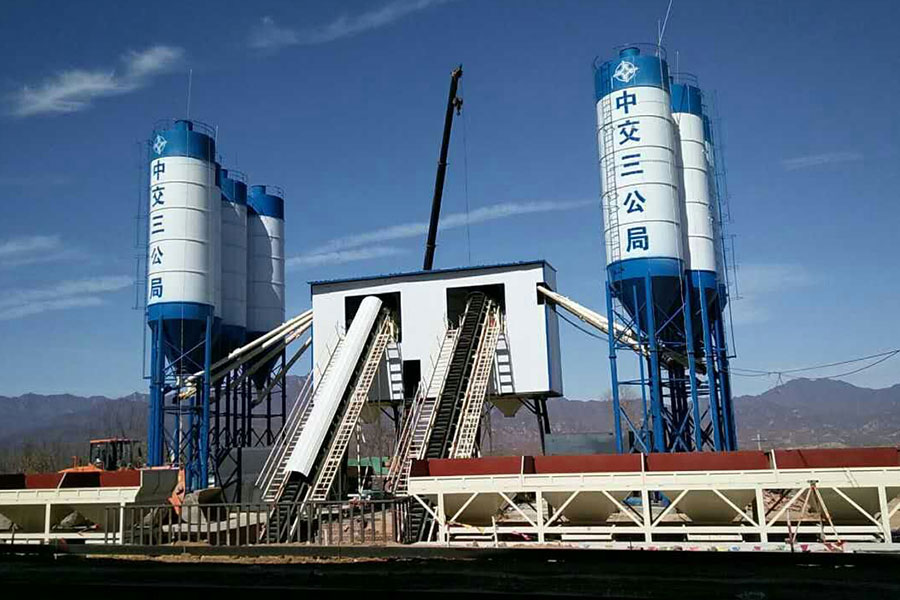
Wet Concrete Batching Plant
A wet concrete batching plant, also called a central-mix plant, mixes the measured ingredients in a stationary mixer before discharge into suitable delivery or handling equipment. Adding water is not what distinguishes it from dry batching: truck-batched ready-mix also uses water, normally adding most or all at the plant. Choose the production method from the concrete specification, mixing and delivery arrangement, not an assumed quality ranking. Process definitions: NRMCA About Concrete. This source explains methods and does not certify this plant.
Capacity:60-200m³/h
Warranty: 18 months
Discharge height: 3800-4200mm
Voltage: 220v/380v/415v/440v/480v(50Hz/60Hz)
More Product Details
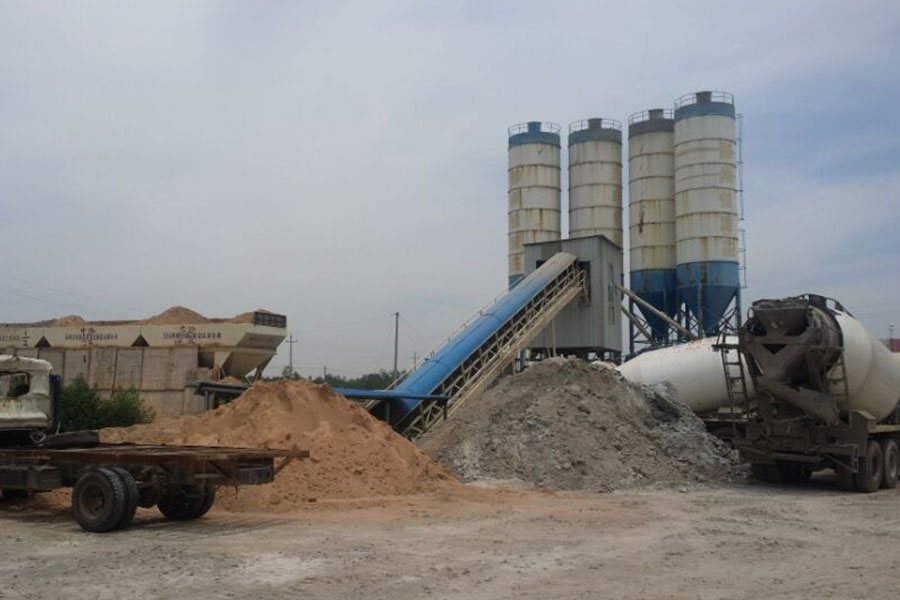
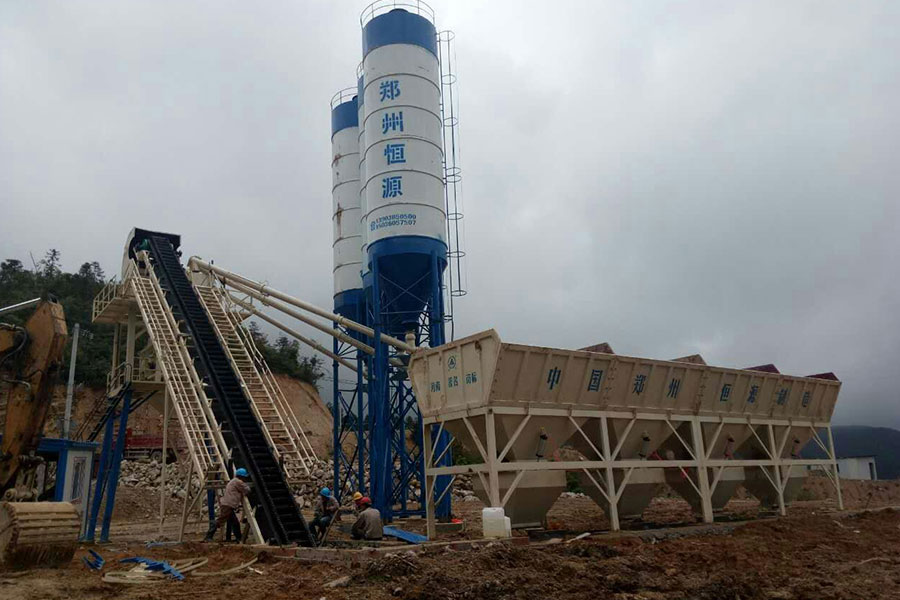
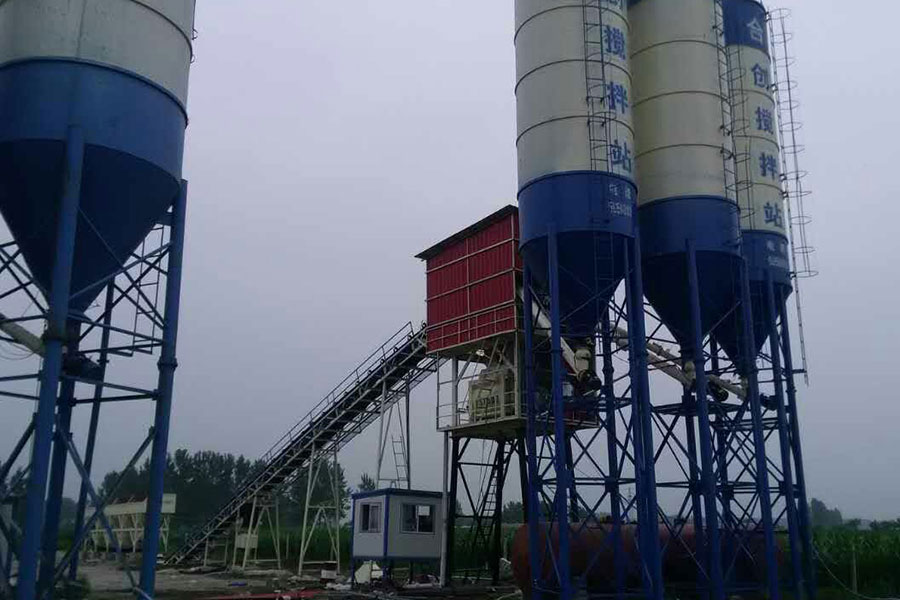
Structure of Wet Concrete Batching Plant
Review the offered plant as a complete production system:
Raw material storage: confirm aggregate bins, cement silos and any separate storage for specified supplementary cementitious materials such as fly ash.
Batching: confirm aggregate, cement, water and admixture measurement, aggregate moisture correction, calibration and batch records. A PLC or electronic scale does not alone guarantee the listed accuracy.
Material transfer: identify aggregate conveyors and the separate powder, water and admixture feeding arrangements in the equipment diagram; not every ingredient travels on the aggregate belt.
Central mixer: identify the actual mixer type, batch volume, cycle and approved concrete range. Twin-shaft and planetary arrangements are options whose suitability must be confirmed.
Water control: account for aggregate moisture and all water contributions against the approved mix; water dosing is not simply a way to increase fluidity.
Automation: list the included recipe, alarm, reporting and manual-control functions. Do not assume fully automated operation or remote monitoring without a supply specification.
Environmental provisions: specify silo and transfer-point dust controls, washout collection, water management and servicing. Treatment equipment, discharge permission and emissions compliance need site-specific confirmation. Measurement guidance: NRMCA Plant Inspection Process; its criteria are not evidence that this equipment holds certification.
Working Principle of Wet Concrete Batching Plant
Store ingredients separately and measure an approved batch with aggregate moisture and total mixing water accounted for. Feed aggregates, cementitious materials, water and admixtures through their specified systems into the central mixer. Mix for the validated cycle and batch size, then discharge into approved delivery or handling equipment. Coordinate dispatch, any required agitation and placement for perishable fresh concrete; verify the actual sequence and acceptance tests during commissioning.
Wet Concrete Batching Plant Advantages
Concrete consistency: Assess proportions, moisture correction, mixer performance and acceptance tests. Central mixing alone does not guarantee workability, strength or durability.
Production output: Compare achievable output under the actual feeding, mixing, discharge, cleaning and truck-availability conditions, not only the theoretical productivity entry.
Environmental planning: Confirm the dust and washout equipment included, maintenance duties and applicable site rules. No blanket compliance or wastewater-discharge guarantee follows from wet batching.
Quality control: Link batch records and fresh-concrete checks with the project requirements; structural performance also depends on design, materials, placement and curing.
Recipe changes: Use approved mix procedures and confirm the mixer and delivery arrangement for each concrete specification. Treat the displayed model capacities, accuracy entries, voltage choices and warranty as references requiring confirmation for the offered configuration.
Wet Concrete Batching Plant Parameters
| Model | HZS60W | HZS90W | HZS120W | HZS160W | HZS200W |
| Theoretical productivity(m³/h) | 60 | 90 | 120 | 180 | 200 |
| Batching machine model | PLD1600 | PLD2400 | PLD2400 | PLD3200 | PLD4800 |
| Feedig mode | Belt Conveyor | ||||
| Aggregate Batching accuracy | ≤±2% | ≤±2% | ≤±2% | ≤±2% | ≤±2% |
| Water Batching accuracy | ≤±1% | ≤±1% | ≤±1% | ≤±1% | ≤±1% |
| Cement Batching accuracy | ≤±1% | ≤±1% | ≤±1% | ≤±1% | ≤±1% |
| Additive Batching accuracy | ≤±1% | ≤±1% | ≤±1% | ≤±1% | ≤±1% |
| Discharging height(mm) | 3800 | 4000 | 4000 | 4200 | 4200 |
Wet Concrete Batching Plant FAQ
What is the Wet Concrete Batching Plant used for?
The Wet Concrete Batching Plant is used with concrete production or handling systems where stable operation, practical site layout, and equipment matching are important.
What capacity or configuration should buyers check for the Wet Concrete Batching Plant?
The Wet Concrete Batching Plant page lists model-specific capacity and configuration details. Buyers should confirm the required output, working hours, material supply, and site conditions before final selection.
How should buyers choose the Wet Concrete Batching Plant?
Buyers comparing the Wet Concrete Batching Plant should check its capacity, installation conditions, power supply, maintenance access, and matching equipment against the project requirements before ordering.
What support should be confirmed before purchasing the Wet Concrete Batching Plant?
Buyers should confirm the 18-month warranty reference for the Wet Concrete Batching Plant, together with installation requirements, power supply, documentation, and after-sales arrangements before ordering.
get in touch
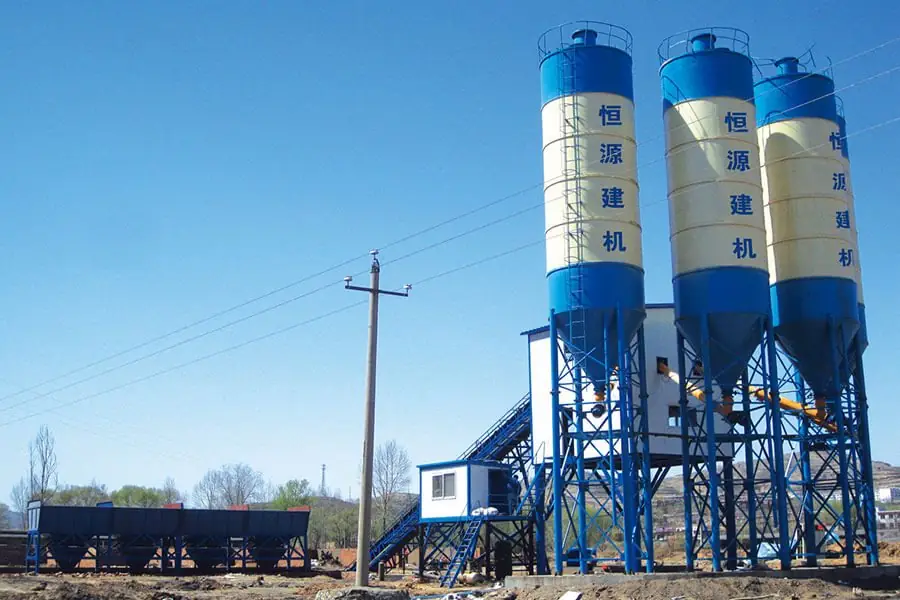
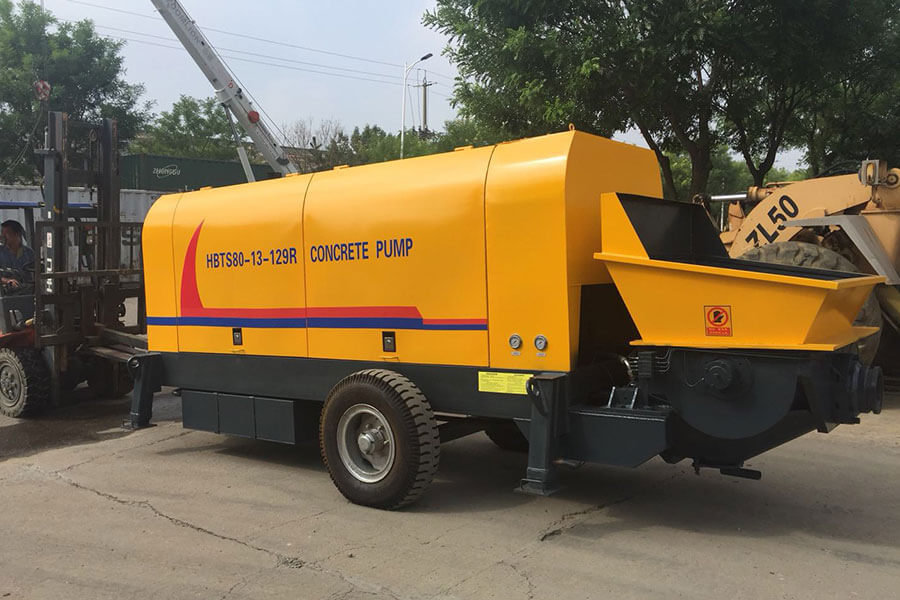
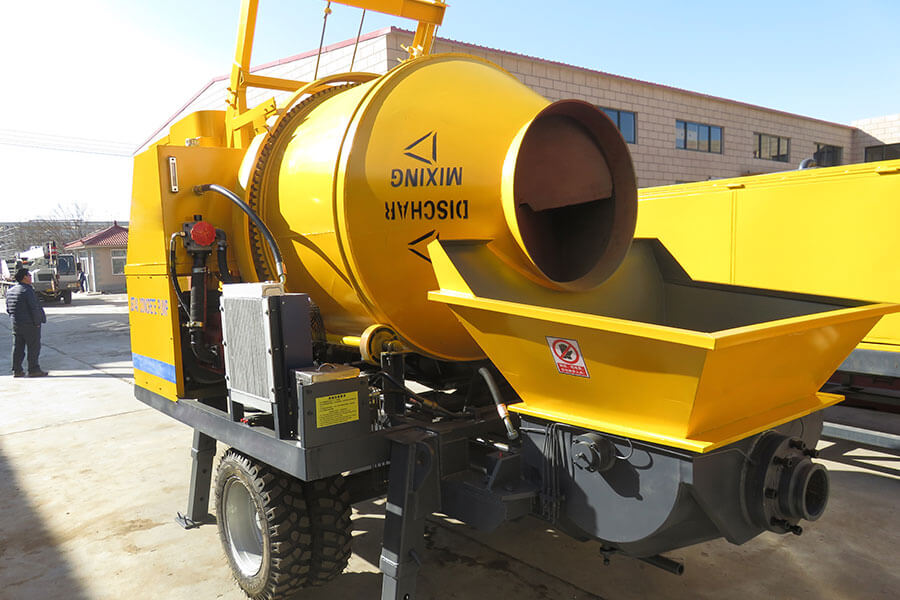
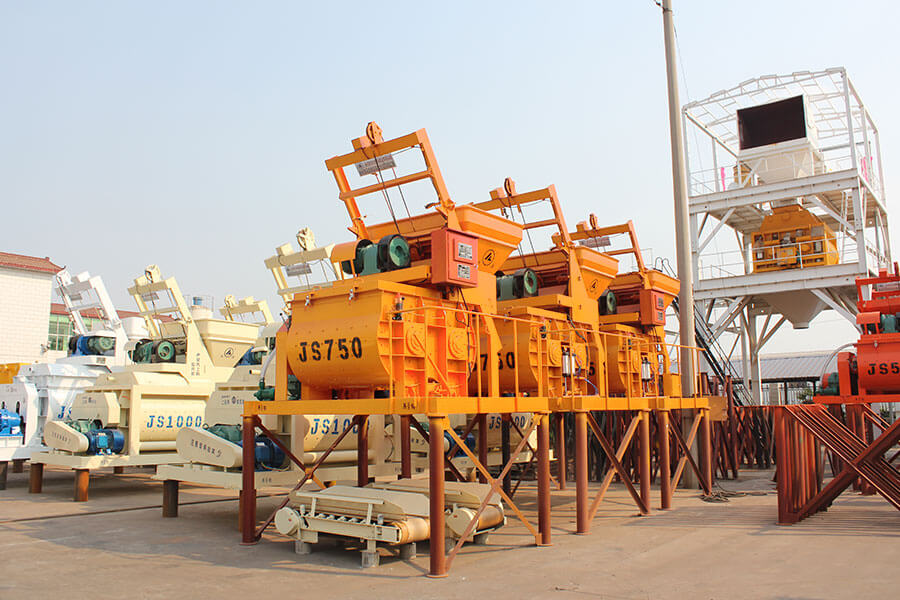
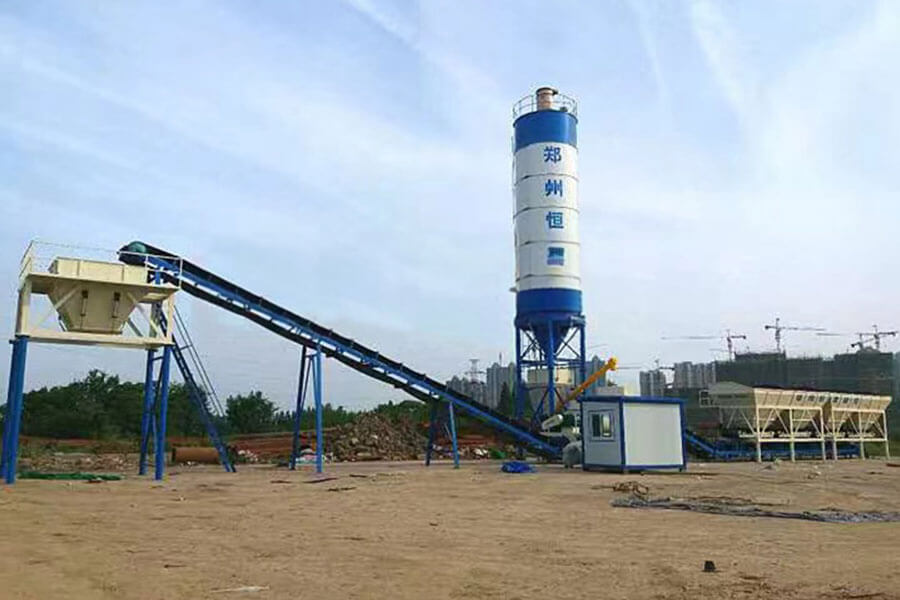
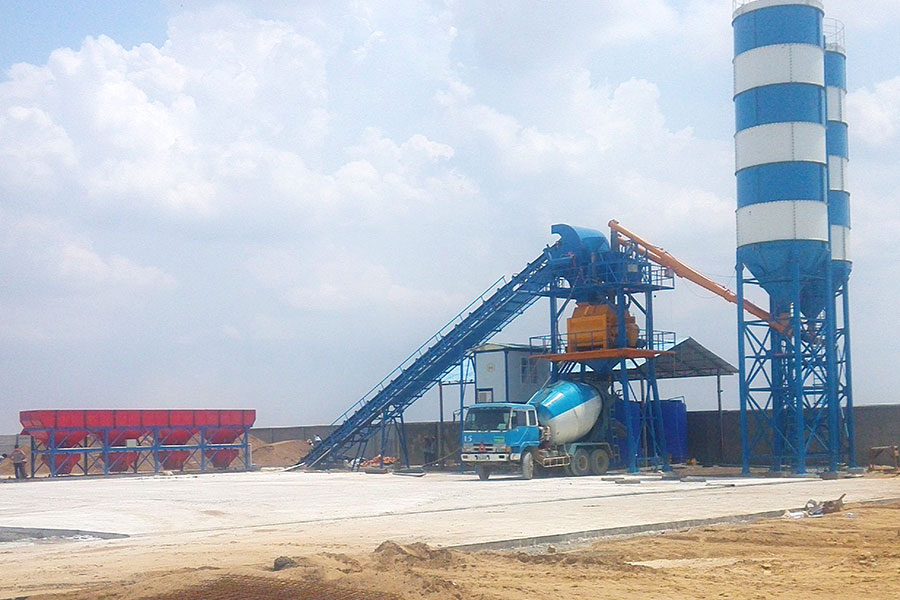
Wet Concrete Batching Plant product overview
This page describes central mixing for ready-mix and other concrete-production projects. Compare the actual mixer, batching systems, material supply, downstream transport and site services with the approved concrete specification. Wet batching is a process arrangement, not proof of superior concrete quality or suitability for every project.
Selection notes for quotation planning
For a quotation, provide required placing and production rates, concrete specification, aggregate characteristics, mixer batch requirements, truck-loading rhythm, available power and site layout. Ask for the exact model, achievable output conditions, measuring-system checks, dust and washout provisions, installation scope and written warranty coverage. For process comparison, see the wet mix plant overview and dry mix truck-batching overview.