
Automated Aggregate Weighing Checks Gain Attention in Concrete Batching Plant Planning
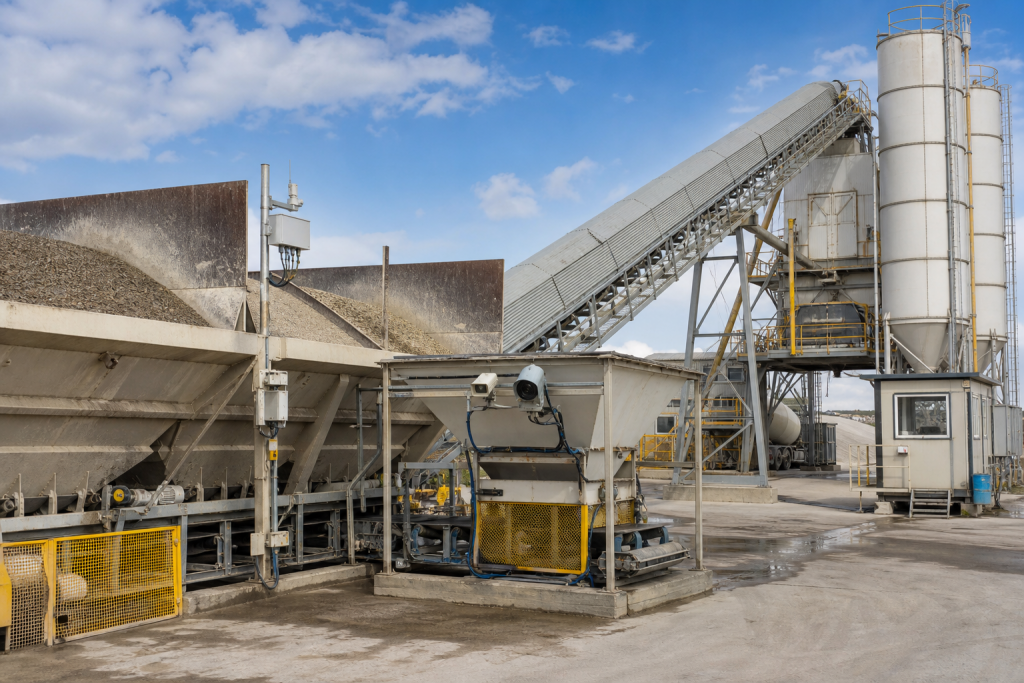
August 18, 2026 – Concrete producers, contractors, and equipment buyers are paying closer attention to automated aggregate weighing checks as they review new concrete batching plant layouts and upgrade older production yards. The reason is practical: stable aggregate measurement supports more consistent batching, cleaner operator records, fewer manual adjustments, and better coordination between the aggregate bins, weighing hopper, conveyor, mixer, and truck loading area.
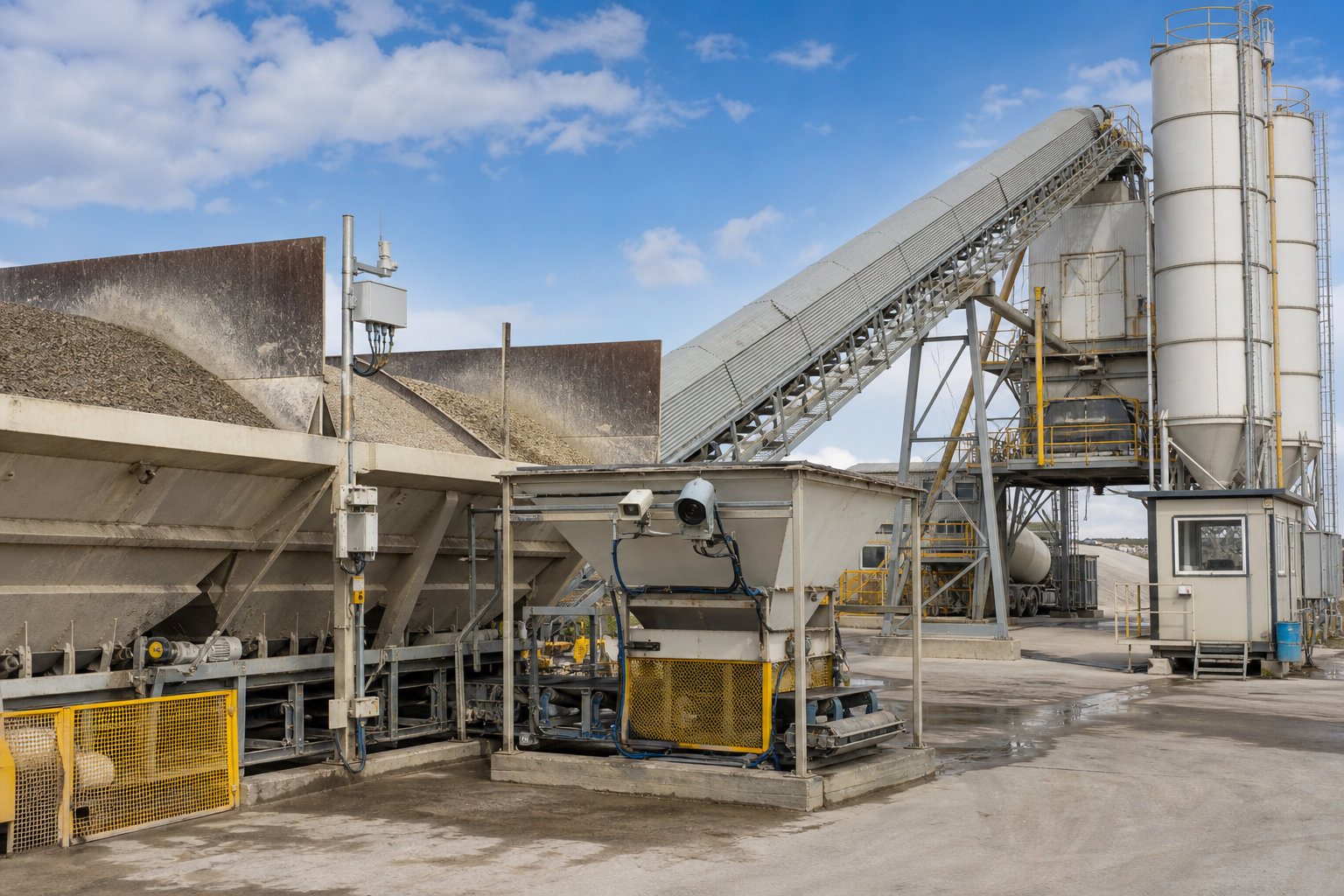
This article is an original industry analysis for ready-mix producers, contractors, project plant owners, and equipment planning teams. It does not rely on specific third-party company announcements, customer cases, regulations, price data, or project claims. The focus is operational planning for teams that work with aggregate bins, belt conveyors, weighing hoppers, moisture monitoring, cement silos, concrete mixers, control systems, and concrete delivery equipment.
Why aggregate weighing is moving higher on the checklist
A stationary concrete batching plant or mobile concrete batching plant is often selected by rated capacity, mixer model, aggregate bin volume, cement silo quantity, control system, and installation footprint. Those specifications remain important, but buyers are increasingly asking how the plant will confirm that each aggregate feed is measured correctly during daily operation.
In real production, aggregate weighing is influenced by feed-door timing, bin flow, belt condition, vibration, moisture changes, load-cell condition, hopper cleanliness, and operator procedures. A plant may be mechanically capable of producing the target volume, yet still require avoidable adjustments if weighing checks are treated as an occasional maintenance item instead of part of the normal control routine.
Automated checks do not replace good layout
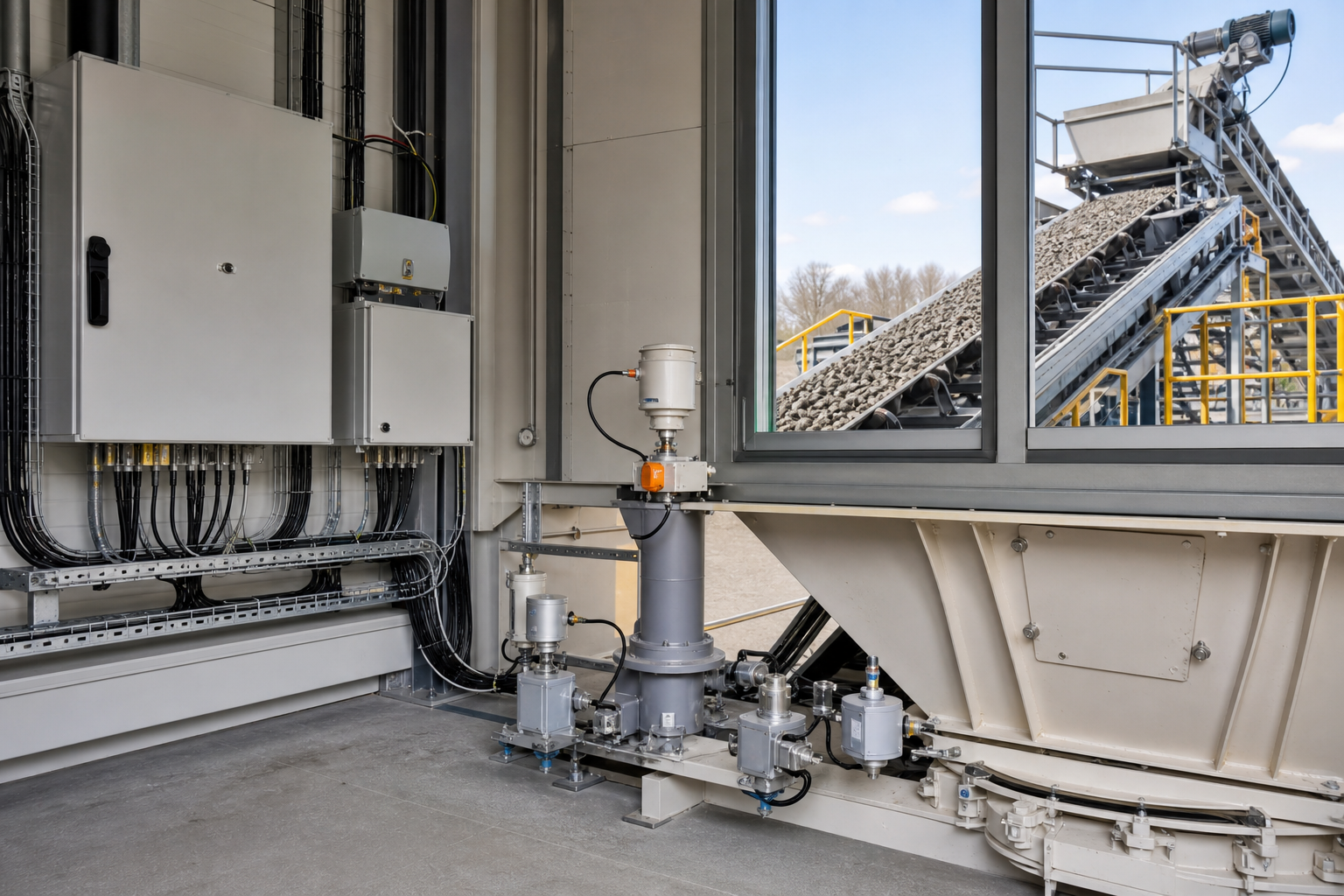
Automated weighing checks can help operators identify drift, abnormal feeding behavior, or recurring correction patterns. However, automation works best when the plant layout gives the equipment a stable physical foundation. Aggregate bins should discharge cleanly. The weighing hopper should be protected from avoidable impact and buildup. Load cells and junction boxes should be installed where inspection is practical. Cable routing should be neat enough for service teams to trace faults without stopping production longer than necessary.
For compact mobile plants, this may mean clear access around foldable conveyors, practical sensor protection during transport, and fast visual checks after setup. For larger ready-mix yards, it may mean longer inspection platforms, more detailed cable management, separated traffic routes, and routine calibration access that does not interfere with truck loading. The correct answer depends on the plant type, production target, site footprint, and maintenance team.
Moisture variation makes records more valuable
Aggregate moisture remains one of the common reasons operators pay attention to weighing and mix adjustment. A weighing system alone cannot solve every material condition, but consistent records help teams understand whether changes are coming from the aggregate stockpile, bin feed behavior, sensor condition, water compensation settings, or manual operating habits. When records are easy to review, the plant team can discuss the cause of variation instead of relying only on memory.
This is especially important when multiple aggregate sizes are used, when stockpile drainage is uneven, or when a project requires steady output over long shifts. The control system should help operators see the relationship between target weight, actual weight, correction amount, batch timing, and mixer loading sequence.
Load-cell access should be designed early
Load cells, mounting hardware, limit stops, junction boxes, grounding points, and cable trays are sometimes reviewed late because they are smaller than the mixer, silo, or aggregate bins. That can create problems after commissioning. If the load-cell area is hard to reach, routine inspection may be delayed. If cable routing is exposed to unnecessary dust, water, or impact, fault finding may become slower. If the weighing hopper is difficult to clean, buildup can become part of the weighing problem.
Equipment planning should therefore include the service space around weighing components. A good layout lets operators and technicians inspect weighing points, clean around the hopper, check sensor housings, and review wiring without creating unsafe access or unnecessary production delays.
Operator routines remain part of the system
Automated checks are most useful when operators understand what the system is checking and what response is expected. A warning about repeated overfeed, slow discharge, abnormal correction, or unstable zero value should point to a practical action: inspect bin flow, clean a transfer point, check a sensor, review moisture input, or pause for maintenance. If warnings are ignored, the plant slowly returns to manual correction habits.
The concrete mixer also benefits from predictable feeding. If aggregate, cement, water, and admixtures arrive in a stable sequence, operators can maintain a steadier batching rhythm. If weighing adjustments interrupt that sequence, truck loading and downstream delivery can be affected.
Downstream equipment feels upstream variation
Aggregate weighing is an upstream process, but its effects can be seen throughout the jobsite supply chain. Mixer trucks may wait if batching slows down. A concrete pump may receive concrete less smoothly if truck arrival times become irregular. Project supervisors may need more communication with the batching operator when production rhythm changes. For this reason, weighing checks should be planned as part of the full production workflow, not as a separate control-room detail.
Buyers can use the product center to review concrete batching plant and equipment options, then discuss aggregate bin layout, weighing configuration, mixer feeding, conveyor access, and service requirements with hengyuan Concrete Machines before finalizing a project plan.
Practical checklist for aggregate weighing planning
- Review aggregate bin discharge, weighing hopper design, conveyor feed timing, and mixer loading sequence together.
- Place load cells, junction boxes, sensor housings, and cable trays where inspection and cleaning are practical.
- Protect weighing components from unnecessary impact, water exposure, dust buildup, and hard-to-trace cable routes.
- Use control records to track target weight, actual weight, correction amount, zero drift, and repeated feed variation.
- Plan aggregate moisture monitoring as part of the same workflow as weighing, water compensation, and mix adjustment.
- Train operators on what each weighing alarm means and what physical inspection should follow.
- Include truck loading, pump supply, cleaning routes, and maintenance access in the plant layout discussion.
FAQ
What are automated aggregate weighing checks?
They are control-system routines and operator records that compare target aggregate weight, actual weight, correction values, timing, and recurring variation so the plant team can identify weighing problems earlier.
Do automated checks remove the need for calibration?
No. Calibration, inspection, cleaning, and service access remain important. Automated records help operators notice abnormal behavior, but the physical weighing system still needs planned maintenance.
Why does aggregate moisture matter for weighing records?
Moisture variation can affect batch adjustment decisions and operator interpretation of material behavior. Useful records help teams separate weighing issues from stockpile or moisture-related changes.
What should buyers prepare before discussing weighing configuration?
Useful details include aggregate types, expected capacity, site footprint, bin layout, conveyor route, mixer model, moisture monitoring needs, control-room workflow, truck loading plan, and service access requirements.
Conclusion-Attention in Concrete Batching Plant Planning
Automated aggregate weighing checks are gaining attention because batching consistency depends on both equipment design and daily operating discipline. A useful plan connects aggregate storage, weighing hardware, sensor access, moisture monitoring, control records, mixer feeding, truck movement, and maintenance routines. Buyers can contact hengyuan Concrete Machines with project details to discuss concrete batching plant configuration, weighing design, and service planning.
Our Whatsapp: +86 199 3949 4756