
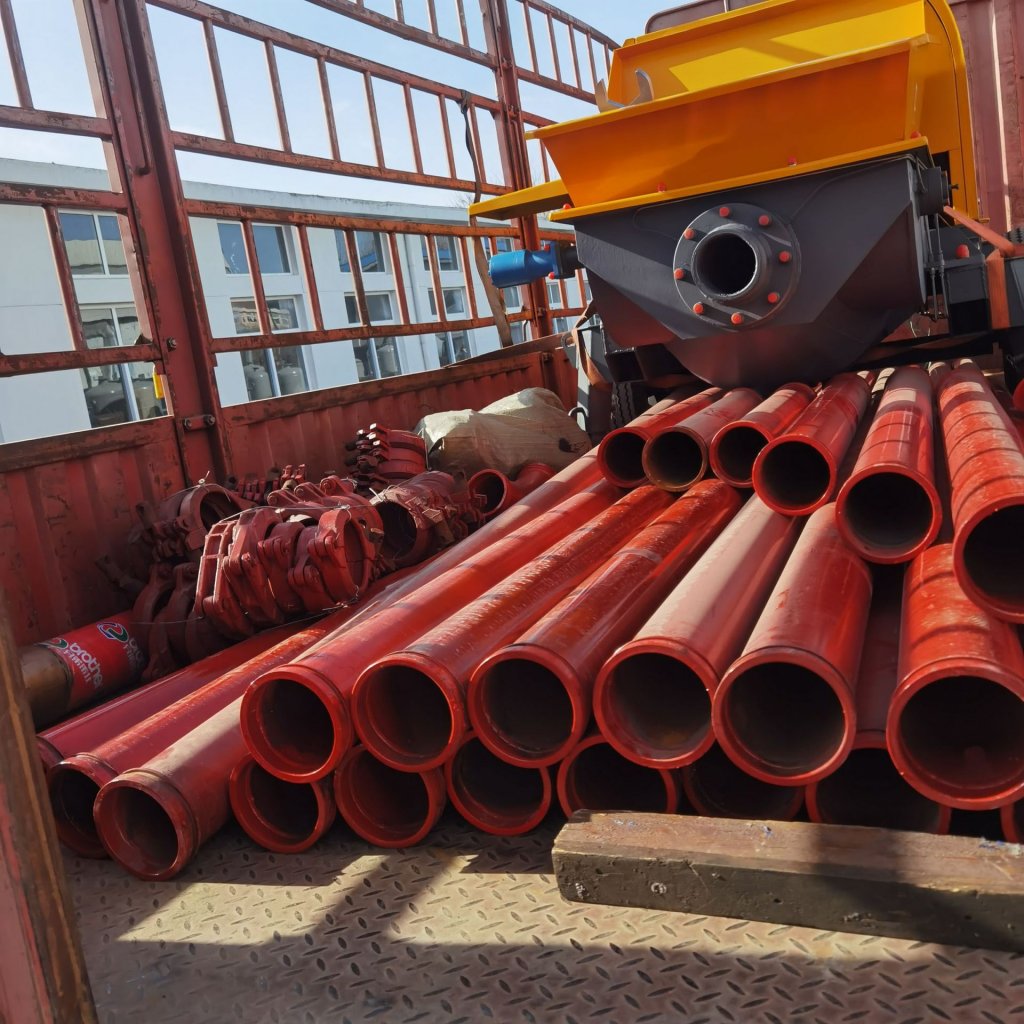
September 17, 2026 – Contractors, ready-mix producers, and equipment planners are giving more attention to concrete pump pipeline planning before concrete pumping equipment reaches the site. The discussion is practical: routing, pipe support, bends, clamps, hose access, cleaning space, and communication routines can all influence how smoothly concrete is placed.
This article is an original industry analysis for concrete producers, contractors, plant managers, and construction machinery buyers. It does not cite specific third-party company announcements, customer cases, laws, prices, project awards, or market statistics. The focus is pipeline planning for concrete pumps, including jobsite layout review, pipe routing, bend management, clamp checks, cleaning access, pump selection, and coordination with batching and delivery teams.
Pipeline planning is becoming earlier work
Quick Answer: Why Plan Concrete Pump Pipeline Routing Before Mobilization?
Concrete pump pipeline planning should be completed before jobsite mobilization because pipe route, bends, clamps, support points, cleaning space, communication, and pumping distance directly affect concrete flow and blockage risk. A clear route helps crews reduce setup delays and keep placement safer.
Buyers and contractors should review horizontal distance, vertical height, concrete mix, aggregate size, pipe diameter, bend quantity, hose access, cleaning area, and operator visibility before the pump arrives on site.
Concrete Pump Pipeline Planning Table
| Planning Item | Why It Matters |
|---|---|
| Route length | Longer distance increases pressure demand and may require stronger pump capacity. |
| Bends and reducers | Too many bends increase resistance, wear, and blockage risk during pumping. |
| Pipe support | Stable support reduces vibration, movement, leakage, and unsafe working conditions. |
| Concrete mix | Slump, aggregate size, and mix design affect pumpability and pipeline wear. |
| Cleaning space | Safe cleaning and pipe removal areas reduce end-of-pour delays and site mess. |
Concrete pumping is often discussed after the mix design, truck schedule, formwork, reinforcement, and access road are already planned. More teams are now moving pipeline questions earlier because the pipe route can affect equipment location, truck movement, pumping pressure, cleaning time, site housekeeping, and communication between the pump operator and placement crew.
For a concrete pump, early planning helps the team choose a workable pump position, estimate line length, review pipe diameter, reduce unnecessary bends, and leave enough space for safe setup and maintenance. When the pump is connected to a mobile concrete batching plant or supplied by ready-mix trucks, the same review can help align production, transport, and placement rhythm.
Route shape affects pumping rhythm
A concrete pump pipeline should be as direct and stable as the site allows. Long horizontal runs, vertical lifts, tight bends, poorly supported pipe sections, and difficult hose positions can all increase the workload on the system. A route that looks acceptable on paper may become inconvenient when trucks, cranes, workers, reinforcement, scaffolding, and material storage are active around it.
Pipeline planning does not remove the need for skilled operators, but it gives them a better starting point. Fewer awkward bends, secure supports, visible clamp locations, and clear access for cleaning can reduce avoidable interruptions during busy placement windows. A good route also helps supervisors explain the pumping plan to the crew before work begins.
Pump selection and pipeline layout should be reviewed together
Some buyers compare concrete pumps mainly by rated output, engine power, model type, and price. Those points matter, but pump selection should also be reviewed alongside pipeline distance, height, bend count, delivery schedule, concrete consistency, aggregate conditions, cleaning method, and jobsite access. The best choice depends on the whole production and placement plan rather than one specification alone.
A boom pump may reduce the amount of ground pipeline in some placements, while a line pump may be more practical for other access conditions. Contractors should also consider whether the selected equipment has enough support from operators, spare parts, cleaning tools, wear parts, and maintenance routines. hengyuan Concrete Machines can discuss these choices with buyers who are matching pumping equipment to different project conditions.
Pipe supports and clamps deserve careful checks
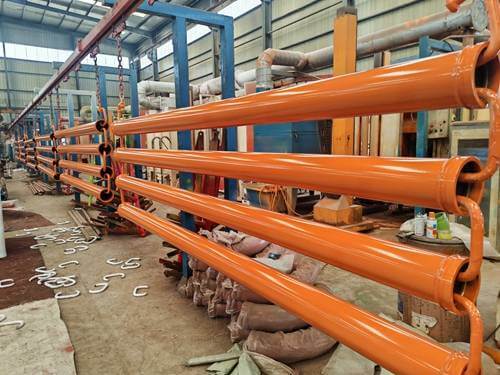
Pipeline stability is a small detail until it becomes a site problem. Pipe sections should be supported where needed, protected from vehicle movement, and kept away from areas where workers may trip or where materials may strike the line. Clamps, gaskets, elbows, reducers, and hoses should be inspected before pumping starts, especially when equipment has been moved from another project.
Inspection routines should be simple enough to repeat daily. Crews can check visible wear, correct assembly, secure pins or locks, hose condition, clamp seating, pipe alignment, and access around discharge points. These checks are not a replacement for manufacturer guidance, but they help the site notice issues before concrete is already moving through the line.
Cleaning access should be planned before placement
Concrete pumping does not end when the last load is placed. The crew still needs a clear cleaning process, safe water access if required, room for cleaning equipment, and a designated area for handling returned material or washout according to site rules. If cleaning access is ignored during setup, the end of the job can become slower and less orderly.
Cleaning also affects the next shift. A poorly cleaned pipe or hose can create avoidable work before the following placement. Planning the cleaning path, disassembly points, and crew responsibilities helps protect equipment condition and keeps the site ready for the next concrete delivery.
Batching and pumping teams need shared timing
Pumping performance depends not only on the pump and pipeline but also on the supply rhythm. A stationary concrete batching plant, ready-mix fleet, or onsite mixing arrangement should be coordinated with the placement crew so the pump is neither waiting too long nor overloaded by poorly timed deliveries. Clear communication can reduce idle time and help the crew respond to site changes.
Before mobilization, supervisors can define who confirms truck arrival, who communicates with the pump operator, who monitors pipeline movement, who checks placement progress, and who handles pauses or changes. This communication plan is often as important as the physical pipe route.
What teams should ask before mobilization
- Where will the concrete pump be positioned, and can ready-mix trucks or batching equipment reach it safely?
- What is the planned pipeline length, vertical lift, bend count, hose location, and discharge sequence?
- Are pipe supports, clamps, gaskets, elbows, reducers, hoses, and cleaning tools available and inspected?
- Does the route avoid traffic paths, unstable ground, sharp obstructions, and areas where workers may trip?
- How will the crew communicate during start-up, pauses, delivery delays, pipe movement, and final cleaning?
- Where will cleaning water, returned material, and washout activity be managed under the site’s rules?
- Does the selected pump match the placement distance, height, concrete consistency, site access, and production schedule?
Maintenance planning should include the pipeline kit
Preventive maintenance plans often focus on the pump unit, hydraulic system, lubrication, wear plates, cutting rings, electrical controls, and engine service. The pipeline kit deserves the same attention. Pipe sections, elbows, clamps, seals, reducers, hoses, and cleaning accessories all influence pumping reliability and should be stored, inspected, and replaced according to actual wear.
Spare parts planning can include common clamp parts, seals, selected elbows, hose sections, cleaning balls, couplings, and other items recommended for the pump and pipe system. The correct list depends on the pump model, pipeline configuration, concrete materials, placement frequency, and working environment.
FAQ
Why is concrete pump pipeline planning important?
Pipeline planning helps the crew choose a practical pump position, reduce unnecessary bends, support the pipe correctly, improve access for inspection, and prepare for cleaning after placement.
What should be checked before concrete pumping starts?
Teams can review the route, pipe supports, clamps, gaskets, hose condition, cleaning tools, delivery timing, pump position, communication roles, and safe access around the placement area.
How does pipeline layout affect pump selection?
Longer distances, vertical lifts, bends, concrete consistency, and jobsite access can all influence which concrete pump is practical for the work. Pump selection should be reviewed with the full placement plan.
Why should cleaning access be planned early?
Cleaning access helps the crew finish safely and efficiently after placement. It also protects the pump and pipeline kit from avoidable buildup before the next shift.
Conclusion
Concrete pump pipeline planning is gaining attention because it connects equipment choice, site access, delivery rhythm, placement quality, cleaning work, and maintenance readiness. A useful plan reviews pipe routing, bend management, support points, clamp inspection, cleaning access, and communication before the pump arrives. Buyers can review the product center, compare concrete pumping equipment, or contact hengyuan Concrete Machines to discuss pump configuration and jobsite planning for upcoming concrete production projects.
Our Whatsapp: +86 199 3949 4756