
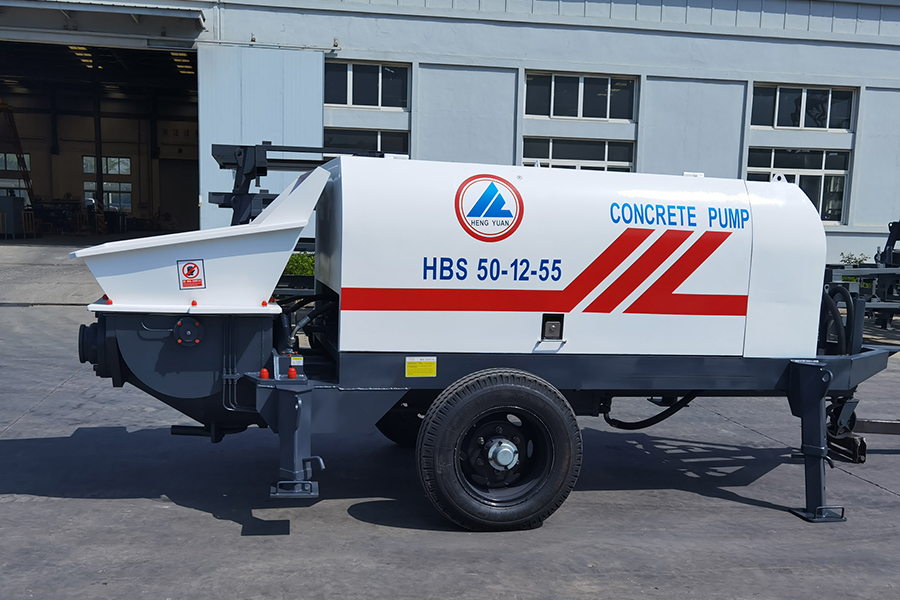
Concrete Trailer Pump: Efficient Equipment for Modern Construction
Concrete trailer pumps are widely used in the construction industry for concrete transportation and pouring. They efficiently deliver concrete from a batching plant or mixer truck to designated locations on construction sites, making them an essential piece of equipment in modern construction projects.
Working Principle of Concrete Trailer Pump
Concrete trailer pump operate by using a high-pressure pumping system to transport concrete through delivery pipelines. Their core components include the pump body, hydraulic system, and delivery pipes.
During operation, the pump draws concrete into the pump chamber, applies hydraulic pressure, and then pushes the concrete through connected pipelines to the target location. Meanwhile, operators adjust pumping parameters and pipeline layouts to control delivery distance, direction, and speed, ensuring precise and continuous concrete placement.
Key Advantages of Concrete Trailer Pumps
High efficiency
Concrete trailer pump deliver large volumes of concrete in a short time. As a result, they significantly shorten construction cycles and improve overall project efficiency, especially in large-scale construction projects.
Strong mobility
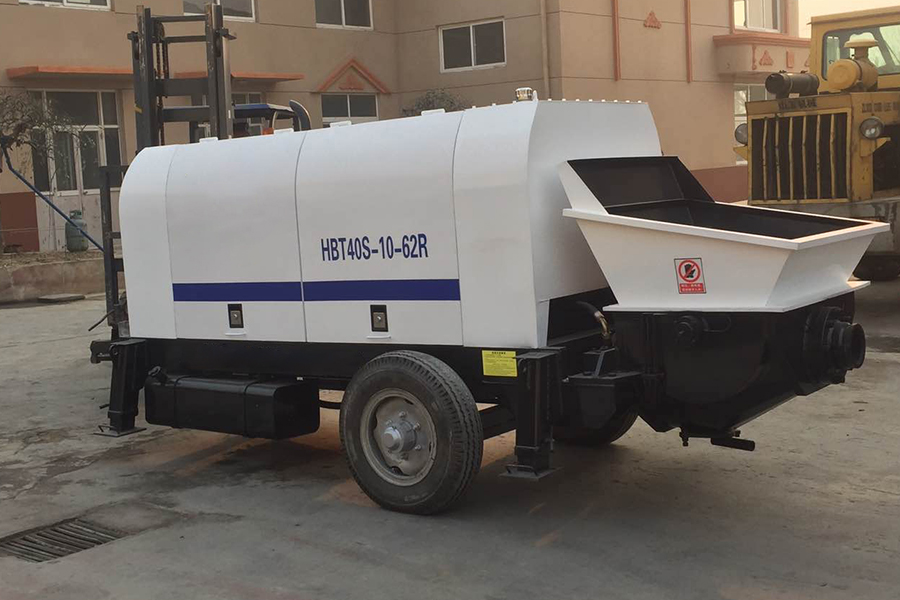
Because other vehicles can tow trailer pumps, they offer excellent mobility and flexibility. Consequently, they easily access construction sites with narrow roads, limited space, or uneven terrain.
Wide adaptability
Concrete trailer pump support various pipeline configurations, allowing them to adapt to diverse construction environments. Whether for high-rise buildings, roads, bridges, tunnels, or underground projects, trailer pumps perform stable and reliable concrete delivery.
Cost-effectiveness
By reducing labor requirements and improving pumping efficiency, concrete trailer pump lower construction costs compared with traditional manual concrete pouring methods, delivering higher economic benefits.
Application Areas
Concrete trailer pump are widely applied in residential buildings, commercial complexes, high-rise construction, road paving, tunnels, and underground engineering projects. In particular, they excel in projects requiring long-distance or high-altitude concrete transportation, meeting the construction industry’s demand for efficiency and quality.
Conclusion
In summary, concrete trailer pumps provide an efficient, flexible, and economical solution for concrete transportation and pouring. As construction technology continues to advance, trailer pump performance and automation levels will further improve. In the future, concrete trailer pumps will play an even more important role in large-scale infrastructure and high-standard construction projects.