
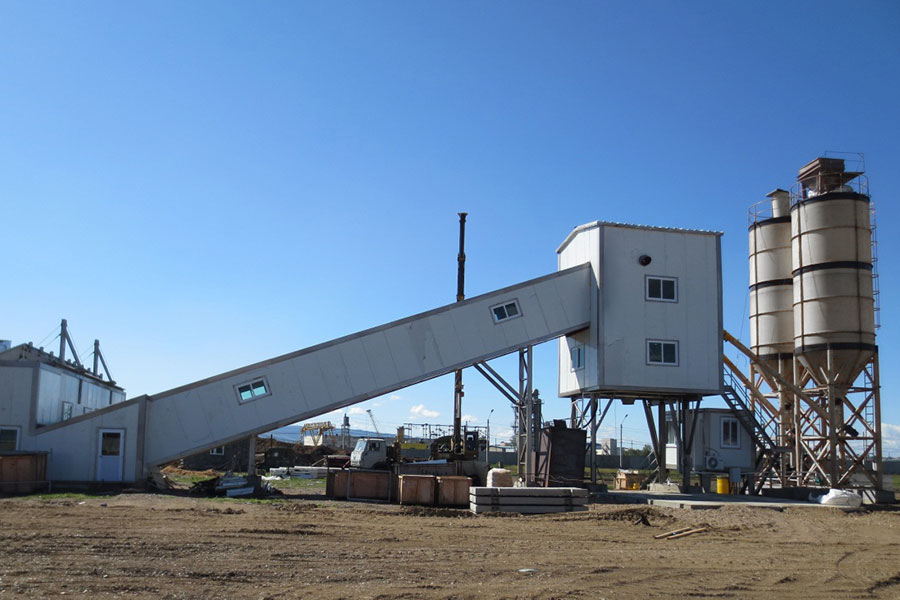
Fixed Concrete Mixing Plant
In the fast-paced world of construction, efficiency and reliability are key to the successful completion of projects. One of the most important factors that contribute to achieving these goals is the equipment used in the production of concrete. Fixed concrete mixing plant have emerged as a game-changer in this regard. Offering high efficiency, consistency, and versatility, these plants are becoming an indispensable part of modern construction projects. This article will explore the advantages, features, and importance of stationary concrete batching plants.
What is a Fixed Concrete Mixing Plant?
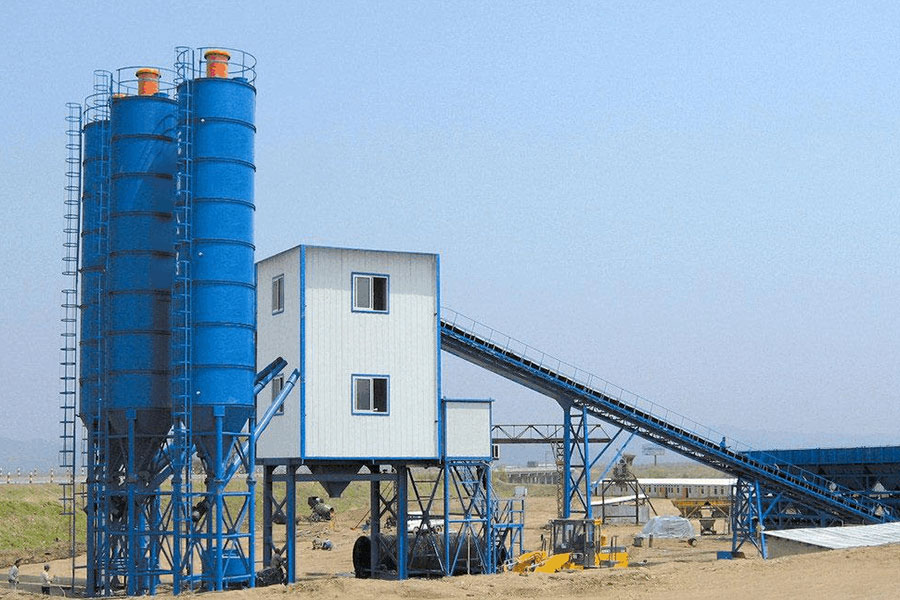
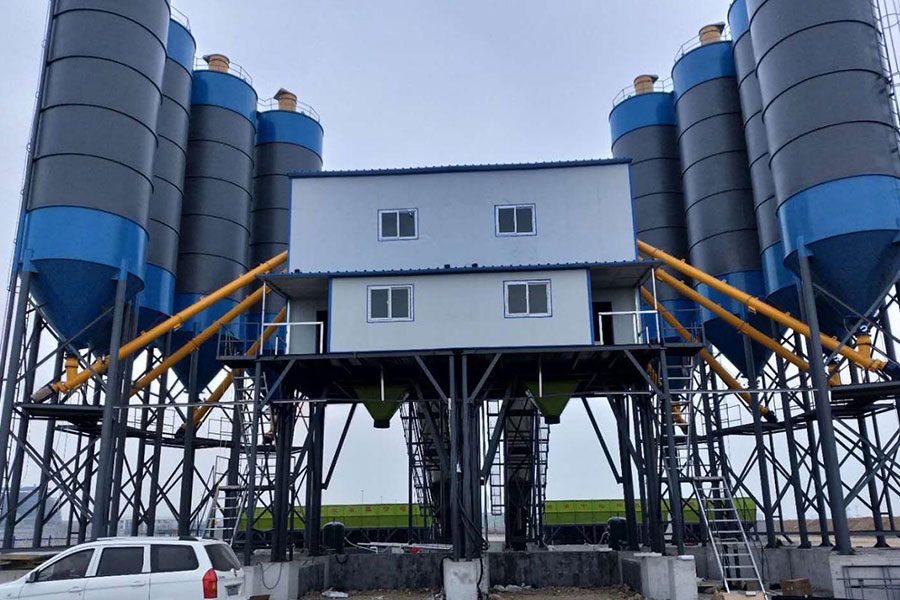
A fixed concrete mixing plant consists of several key components:
- Concrete Mixer: The core of the plant, where the materials (cement, aggregates, water, and additives) are mixed to form concrete.
- Aggregate Bins: These bins store the raw materials such as sand, gravel, or crushed stone.
- Cement Silos: These are used to store the cement needed for the mixing process.
- Control System: A computerized system that ensures the accurate proportioning of materials and monitors the entire mixing process.
- Weighing System: Ensures that all ingredients are added in the correct proportions for optimal concrete quality.
- Conveyor Belts: Used to transport raw materials and finished concrete to the appropriate locations.
Why Choose a Fixed Concrete Mixing Plant?
1. High Production Capacity
2. Consistency and Quality Control
One of the key advantages of fixed concrete mixing plants is their ability to produce concrete with consistent quality. The precise control over the mixing process ensures that each batch of concrete meets the required specifications. Automated weighing and mixing systems help eliminate human error, leading to a more reliable end product. For projects that require strict adherence to quality standards, fixed concrete mixing plants offer the perfect solution, as they provide uniformity in the final product, which is crucial for structural integrity.
3. Durability and Long-Term Investment
Investing in a fixed concrete mixing plant is a long-term commitment that pays off over time. These plants are built to last and are capable of withstanding the rigors of continuous operation. Made with high-quality materials and robust construction, they offer excellent durability. The low maintenance cost and high operational efficiency make them a valuable asset for construction companies, especially those engaged in large, ongoing projects.
4. Customization and Flexibility
Fixed concrete mixing plants offer a high degree of customization to meet the specific needs of different projects. Depending on the scale and complexity of the project, a fixed concrete plant can be tailored to meet various production requirements. The ability to customize the mixing plant allows construction companies to optimize their production processes and reduce waste, thus improving overall efficiency. This flexibility makes fixed concrete mixing plants a versatile solution for a wide range of applications.
5. Environmental Sustainability
In today’s world, sustainability is a major concern for the construction industry. Fixed concrete mixing plants are designed to reduce environmental impact by minimizing waste and energy consumption. With features like closed-loop water systems, dust collection devices, and efficient energy management systems, these plants contribute to a greener, more sustainable construction process. Moreover, with the ability to recycle concrete waste, fixed mixing plants help reduce the environmental footprint of construction activities.
How Fixed Concrete Mixing Plant Improve Construction Efficiency
The efficiency of construction projects directly influences their cost, timeline, and overall success. Fixed concrete mixing plants enhance construction efficiency in several ways:
1. Reduced Downtime
A fixed concrete mixing plant operates continuously, without the need for frequent relocation, which helps minimize downtime. The consistent and reliable supply of concrete ensures that workers can maintain a steady pace, preventing delays caused by material shortages. This improved efficiency leads to faster project completion and reduces the likelihood of project delays, ultimately saving both time and money.
2. Automation and Control
3. Cost-Effectiveness
The high production capacity and low maintenance costs of fixed concrete mixing plants make them a cost-effective solution for large-scale projects. In addition, the accuracy of the batching system helps reduce material waste, further lowering costs. By optimizing the production process and reducing operational expenses, construction companies can maximize profitability and remain competitive in a challenging industry.
4. Improved Safety
Safety is a top priority on construction sites, and fixed concrete mixing plants contribute to creating a safer working environment. By using automated systems and tightly controlled production processes, these plants significantly reduce the risk of accidents caused by human error. Furthermore, the design of these plants includes safety features such as protective barriers, emergency stop buttons, and clear operational guidelines, ensuring that workers are safe while operating the equipment.
Applications of Fixed Concrete Mixing Plant
Fixed concrete mixing plants are used in a wide variety of construction projects, from large infrastructure developments to residential buildings. Some common applications include:
- Road Construction: The high output and consistent quality of concrete produced by fixed plants make them ideal for the production of concrete for roads, highways, and other transportation infrastructure.
- Bridge Construction: Large-scale bridge projects require vast amounts of concrete, which can be efficiently supplied by fixed mixing plants.
- High-Rise Buildings: The need for high-strength, consistent concrete in large quantities makes fixed concrete mixing plants a perfect fit for high-rise building construction.
- Power Plants and Industrial Projects: Fixed concrete mixing plants support the construction of power plants, factories, and other industrial facilities where concrete demand is high.
Conclusion: The Future of Concrete Production
Fixed concrete mixing plants represent the future of concrete production in the construction industry. With their ability to deliver high-quality, consistent concrete in large volumes, these plants are becoming essential for large-scale projects. As the demand for more sustainable and efficient construction practices grows. Fixed concrete mixing plants will play an increasingly vital role in meeting these challenges.
Henan Hengyuan is a leading manufacturer of fixed concrete mixing plants. Providing high-quality solutions to meet the needs of the modern construction industry. With a focus on innovation and customer satisfaction. Henan Hengyuan actively supports businesses in improving construction efficiency and achieving success in every project they undertake.