
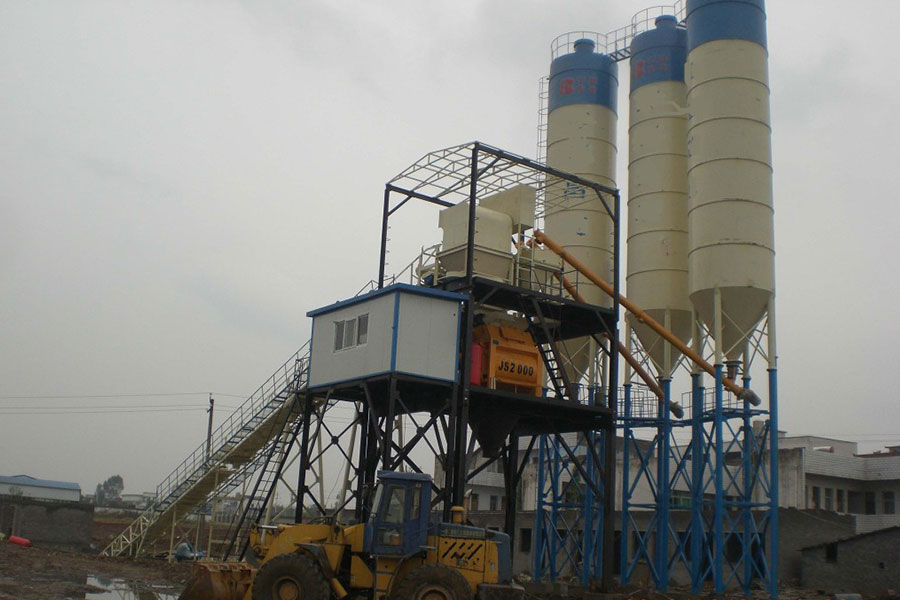
Maintenance for Concrete Batching Plants in Cold Regions
As winter approaches, concrete batching plants operating in cold regions face unique operational challenges. Low temperatures can affect equipment performance, concrete quality, and production continuity. Based on extensive project experience, Henan Hengyuan summarizes practical maintenance strategies to help batching plants operate safely and efficiently in extreme cold environments.The following is detailed information about maintenance for concrete batching plants:
1. Temperature Control Management
First and foremost, temperature control remains the top maintenance priority in cold regions. Low temperatures can cause raw materials such as aggregates and water to freeze, directly disrupting normal production.
To address this issue, batching plants should:
-
Install heating systems at key areas, including aggregate bins, water tanks, pipelines, and control rooms
-
Use insulation sheds, heat tracing cables, or heating pipes to maintain stable material temperatures
-
Regularly inspect temperature control systems to ensure accurate sensing and responsive adjustment
Effective temperature management ensures uninterrupted production and consistent concrete quality.
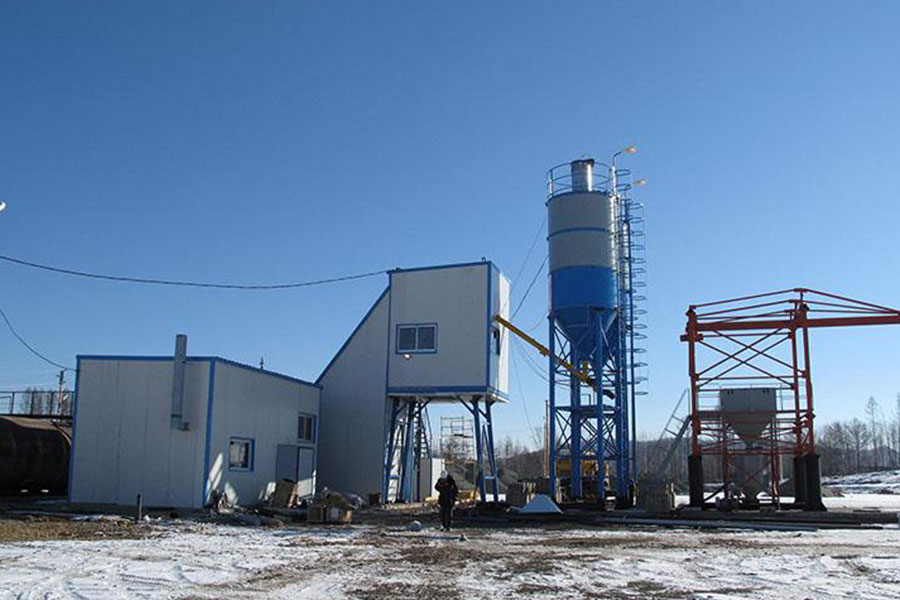
2. Antifreeze Protection Measures
In addition to temperature control, equipment antifreeze protection is essential. Moisture inside pipelines and mechanical components can freeze easily, leading to blockages, leaks, or equipment damage.
To prevent freezing:
-
Add appropriate antifreeze agents to water supply and lubrication systems
-
Regularly check antifreeze concentration and performance
-
Keep internal equipment areas dry and clean to avoid moisture accumulation
These measures significantly reduce the risk of winter-related equipment failures.
3. Daily Maintenance and Inspection
Moreover, routine inspection becomes even more critical in cold environments. Low temperatures increase metal brittleness, making components more prone to cracking and wear.
Maintenance teams should:
-
Conduct frequent inspections of all mechanical and electrical systems
-
Replace worn or aging parts in a timely manner
-
Focus on critical equipment such as mixers, conveyor belts, weighing systems, and hydraulic components
Consistent preventive maintenance ensures long-term stability and reduces unexpected downtime.
4. Maintenance for concrete batching plants-Personnel Training and Safety Measures
Finally, operator training and workplace safety cannot be overlooked. Cold weather increases operational risks and requires higher safety awareness.
Batching plant operators should:
-
Receive specialized training for equipment operation and maintenance in low-temperature conditions
-
Use proper personal protective equipment, including anti-slip safety shoes, insulated gloves, and thermal workwear
-
Follow standardized safety procedures to avoid accidents caused by ice, snow, or equipment malfunction
A well-trained and protected workforce is key to safe winter operations.
Conclusion-Maintenance for concrete batching plants
Maintenance for concrete batching plants in cold regions requires a systematic and proactive approach. By strengthening temperature control, implementing effective antifreeze measures, enhancing daily maintenance, and prioritizing personnel safety, companies can successfully overcome extreme weather challenges.
Through scientific maintenance strategies, batching plants can ensure stable operation, consistent concrete quality, and reliable project delivery even in harsh winter conditions.