
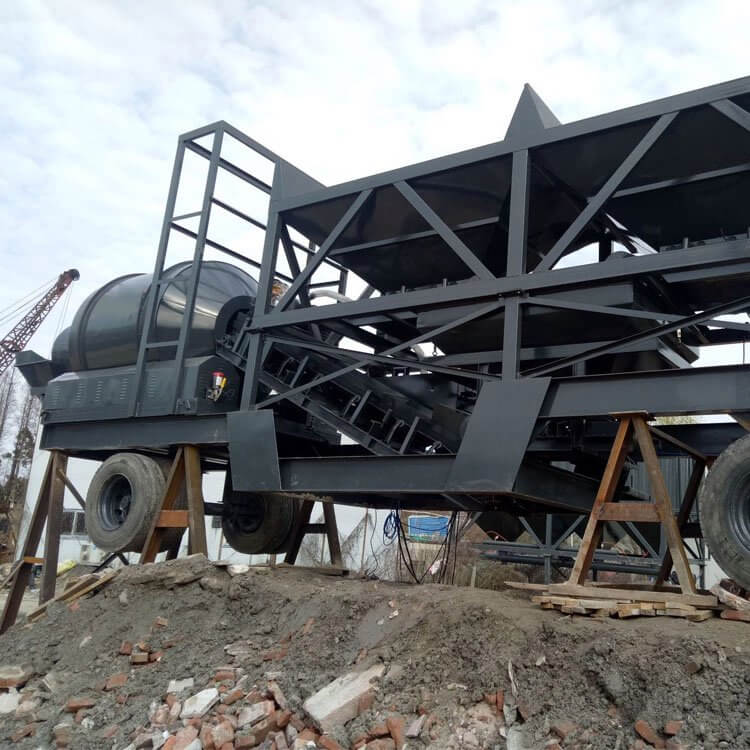
Mobile Batching Plant Setup Planning Moves Earlier for Phased Construction Sites
August 4, 2026 – Contractors planning temporary and multi-stage production work are giving more attention to mobile concrete batching plant setup planning before equipment arrives on site. The shift is practical rather than promotional: when a project moves through several work zones, the plant location, aggregate access, utility connection, mixer truck movement, and relocation sequence can affect daily concrete supply as much as the rated output of the plant itself.
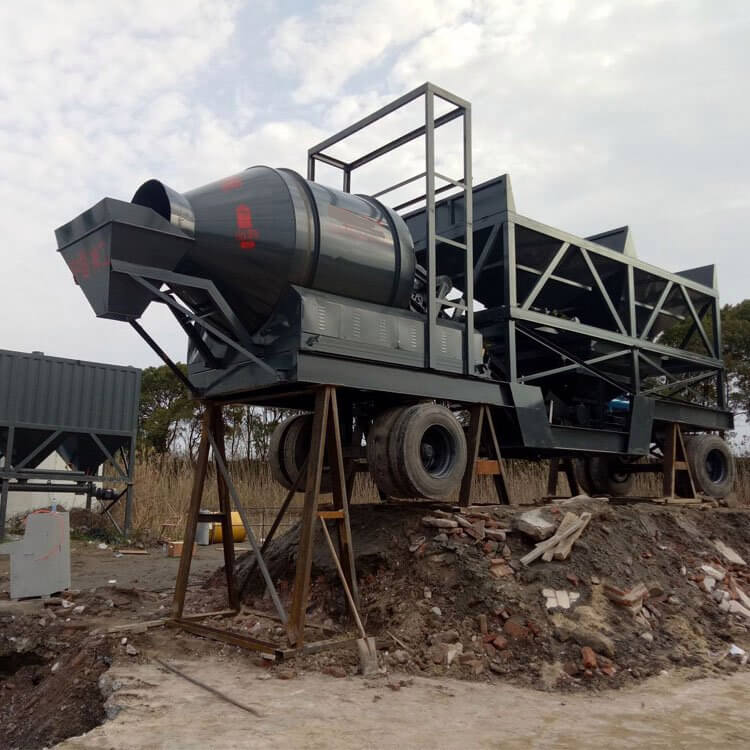
This article is an original industry analysis for contractors, ready-mix producers, and concrete equipment buyers. It does not rely on specific third-party company announcements, customer cases, regulations, price data, or project claims. The focus is practical planning for teams using mobile concrete batching plants, concrete mixer trucks, concrete pumps, and related jobsite equipment.
Why setup planning is moving upstream
A mobile concrete batching plant is often chosen because it can reduce long-distance concrete supply dependence and support projects that change location over time. That advantage is strongest when the setup plan is reviewed early. Teams need enough space for aggregate bins, cement storage, water supply, admixture handling, control-room visibility, electrical connection, truck loading, loader movement, maintenance access, drainage, and safe pedestrian routes.
Early setup planning also helps buyers compare equipment choices more realistically. Rated capacity is only one part of the decision. A plant that fits the available footprint, accepts local aggregate delivery patterns, loads mixer trucks without congestion, and can be relocated with predictable preparation may perform better than a larger plant that creates access problems or requires frequent workarounds.
Phased sites need a relocation sequence
Many temporary production sites do not stay static. A road, bridge, industrial yard, utility corridor, or remote infrastructure project may shift work fronts as the project advances. If the plant will move, the relocation sequence should be discussed before the first setup. Teams should define which components move first, how aggregate stockpiles will be rebuilt, where mixer trucks will queue, and how concrete supply will be maintained during transition periods.
A relocation plan does not need to be complicated, but it should be specific. The project team should identify lifting points, transport routes, foundation or pad requirements, water and power availability, silo refilling access, environmental control needs, operator workspace, and any restrictions around night work or traffic flow. The more clearly those items are handled, the less likely the site is to lose production time during a move.
Aggregate logistics shape the daily output
Aggregate logistics often determine whether a temporary concrete production plan feels controlled or reactive. Sand and stone deliveries need a place to unload, a route that does not block mixer trucks, and enough separation to avoid contamination between materials. Loader movement should be simple and repeatable, because inefficient loading patterns can reduce practical output even when the batching plant itself is operating normally.
Buyers can use the product center to review equipment options and then discuss aggregate bin layout, conveyor arrangement, loading direction, and site restrictions with the supplier. For some projects, a compact configuration may be more useful than a broad layout. For others, extra aggregate storage, a clearer truck lane, or improved water management may be worth more than a simple capacity increase.
Mixer trucks and pumps must be planned together
Mobile batching plant planning should include the equipment that receives and places the concrete. A concrete mixer truck needs a safe loading position, turning route, washout plan, and predictable dispatch sequence. A concrete pump needs receiving access, stable setup space, pipe or hose routing, communication with the batching team, and enough buffer time for changes at the work face.
When these items are reviewed separately, site teams may discover conflicts after production begins. A truck queue may block aggregate delivery. A pump position may interfere with loader movement. A narrow entrance may slow the entire delivery cycle. Early coordination helps the team treat batching, mixing, hauling, pumping, and washout as one production system instead of separate pieces of equipment.
Control systems support smoother handover
For phased projects, the control system should make daily handover easier. Operators need clear batch records, material consumption notes, alarm history, mix-setting controls, and production summaries that can be understood by supervisors and quality teams. If the plant is moved or the work zone changes, those records help the next shift understand what changed and what needs attention.
Service planning matters as well. Wear parts, sensors, belts, pneumatic components, mixer inspection points, lubrication schedules, and electrical checks should be considered before remote or time-sensitive work begins. Project teams can review service information and prepare site photos, layout sketches, output targets, material sources, and relocation expectations before confirming a plant configuration.
Practical checklist for phased jobsite planning
- Confirm available footprint, ground condition, drainage, and access routes before selecting the plant layout.
- Map aggregate delivery, stockpile separation, loader movement, and bin feeding direction.
- Define water, power, admixture, cement silo, and control-room requirements for each work zone.
- Plan mixer truck loading, turning, queueing, washout, and dispatch timing.
- Review concrete pump access, receiving position, pipe route, and communication with the batching operator.
- Create a relocation sequence before the plant has to move.
- Prepare spare parts, maintenance checks, operator records, and handover notes for each phase.
FAQ
What is mobile concrete batching plant setup planning?
It is the process of confirming the plant layout, access routes, utilities, aggregate flow, truck movement, service needs, and relocation sequence before the equipment begins production.
Why does phased construction change the planning process?
Phased projects may shift work zones over time. That means the plant, stockpiles, truck routes, utilities, and pump access may need to be adjusted without interrupting concrete supply more than necessary.
Is rated plant capacity enough for equipment selection?
No. Rated capacity matters, but practical output also depends on aggregate loading, mixer truck access, water and power supply, operator workflow, maintenance access, and site traffic control.
What should buyers prepare before discussing a mobile batching plant?
Useful information includes project location, expected output, concrete use, aggregate sources, available space, power and water conditions, truck access, relocation expectations, and any concrete pump requirements.
Conclusion
Mobile concrete batching plant setup planning is becoming more important for phased construction sites because equipment mobility only delivers value when the whole production workflow is prepared. A useful plan connects plant layout, aggregate logistics, utilities, mixer truck access, pump coordination, relocation timing, control records, and service readiness. Buyers can contact Hengyuan Concrete Machines with project details to discuss concrete production equipment and long-term support needs.
Our Whatsapp: +86 199 3949 4756