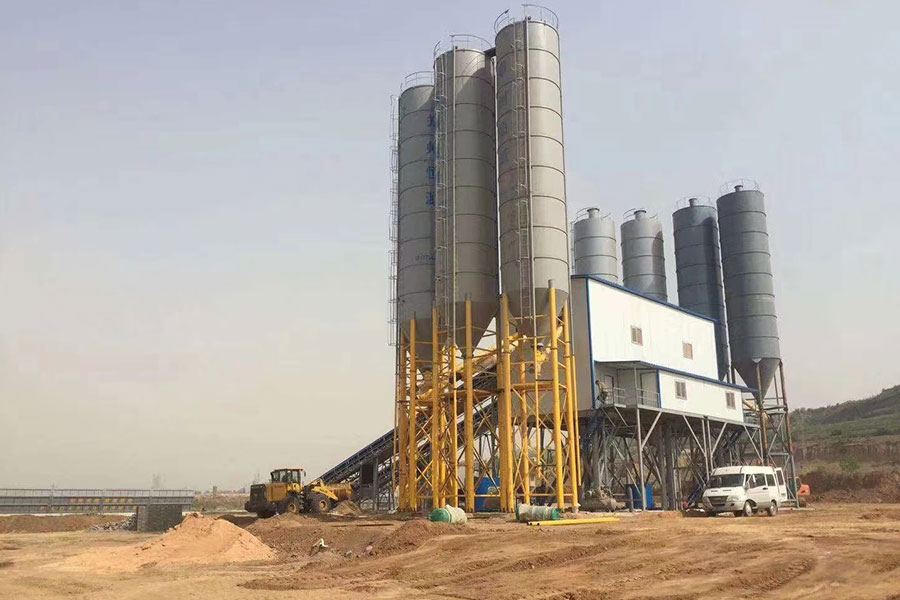
HZS240 concrete batching plant
The HZS240 concrete batching plant is a stationary, high-output plant configured around a JS4000 twin-shaft mixer. Its listed theoretical capacity is 240 m³/h. Actual output depends on batch size, mixer cycle, aggregate and cement supply, truck exchange and the concrete mix, so the model rating should not be treated as guaranteed site output.
Capacity:240m³/h
Warranty: 18 months
Mixing Machine: JS4000 twin shaft mixer
Voltage: 220v/380v/415v/440v/480v(50Hz/60Hz)
More Product Details
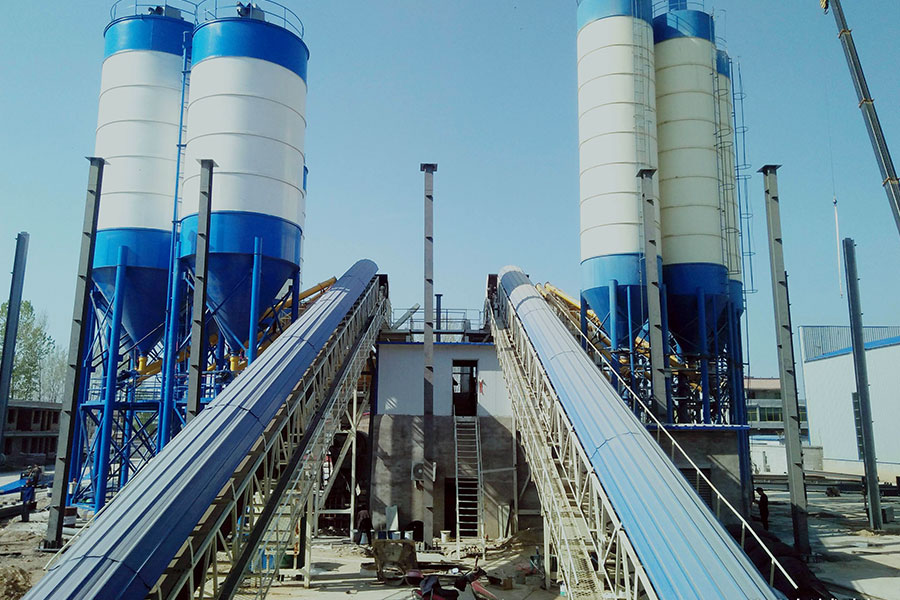
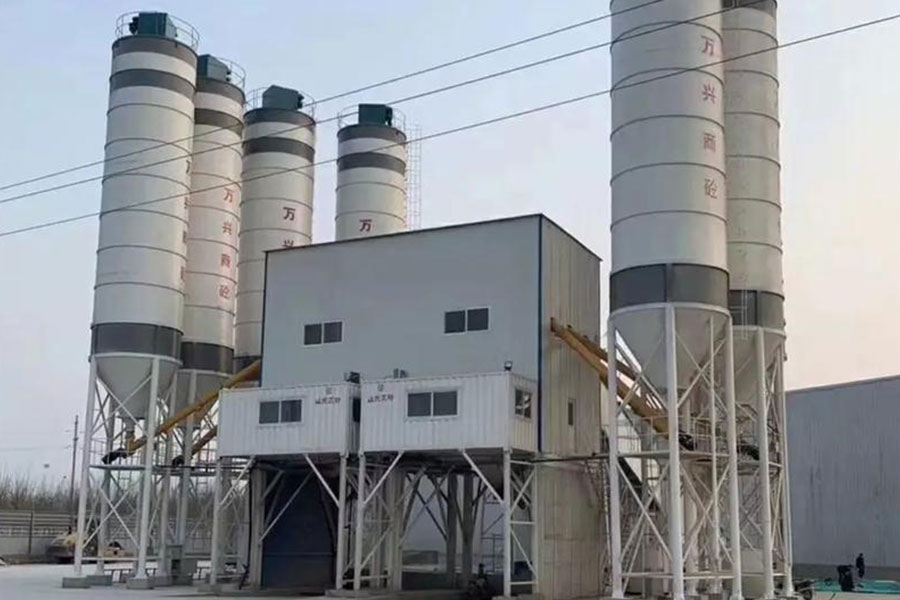
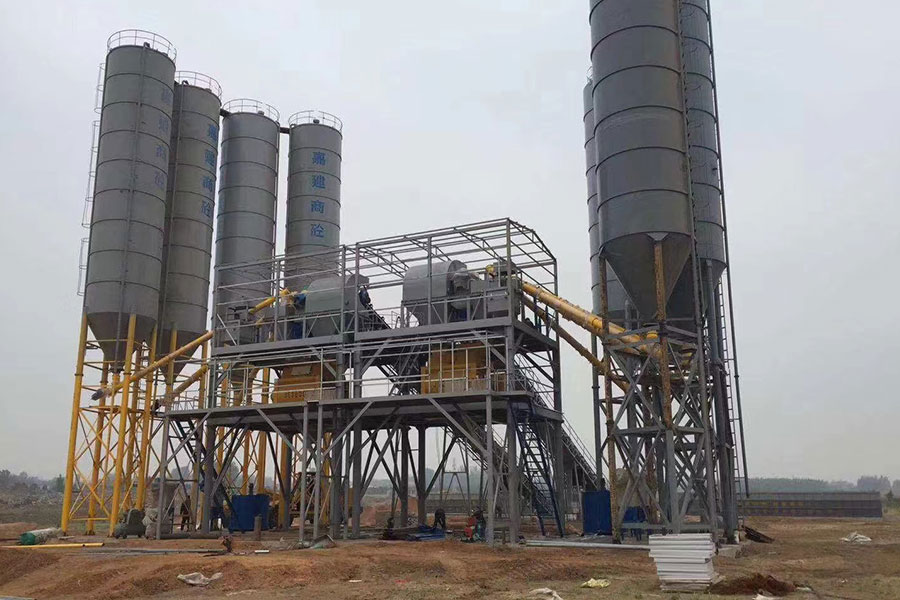
Structure of HZS240 Concrete Batching Plant
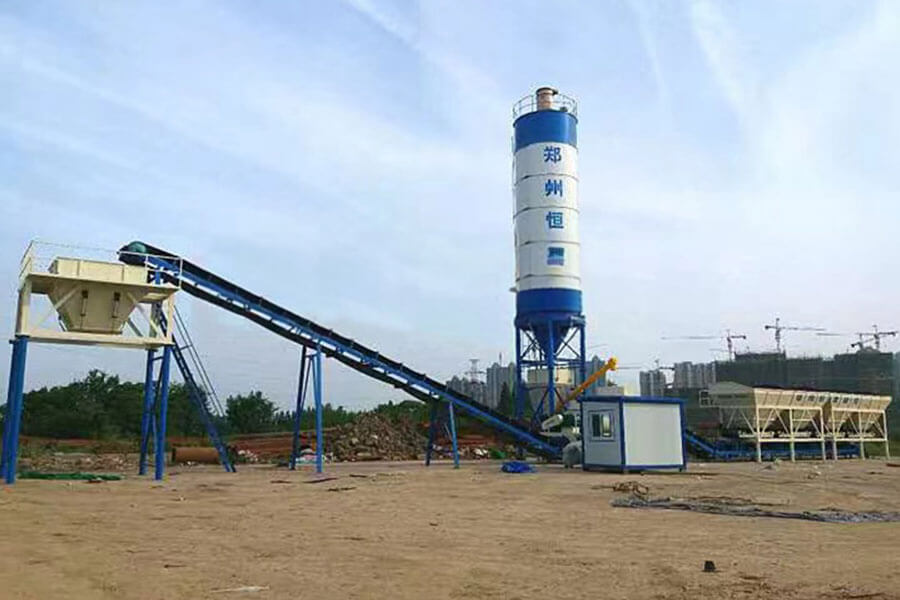
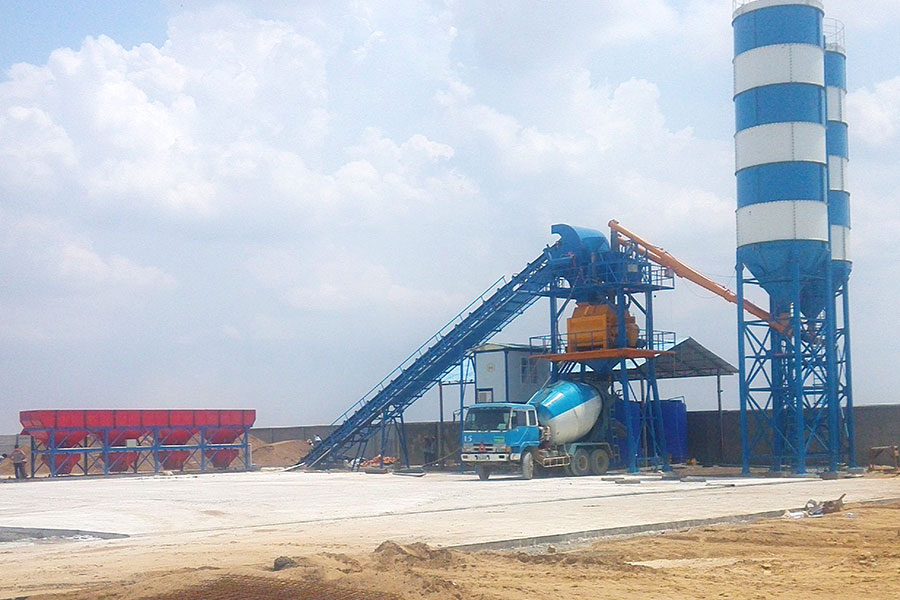
The HZS240 concrete batching plant is a modularly designed concrete production equipment, mainly composed of a batching system, a mixing system, a conveying system, a metering system, and an electrical control system. The main mixing unit typically uses a JS4000 twin-shaft forced mixer, making it particularly suitable for large-scale concrete production projects.
Mixer host
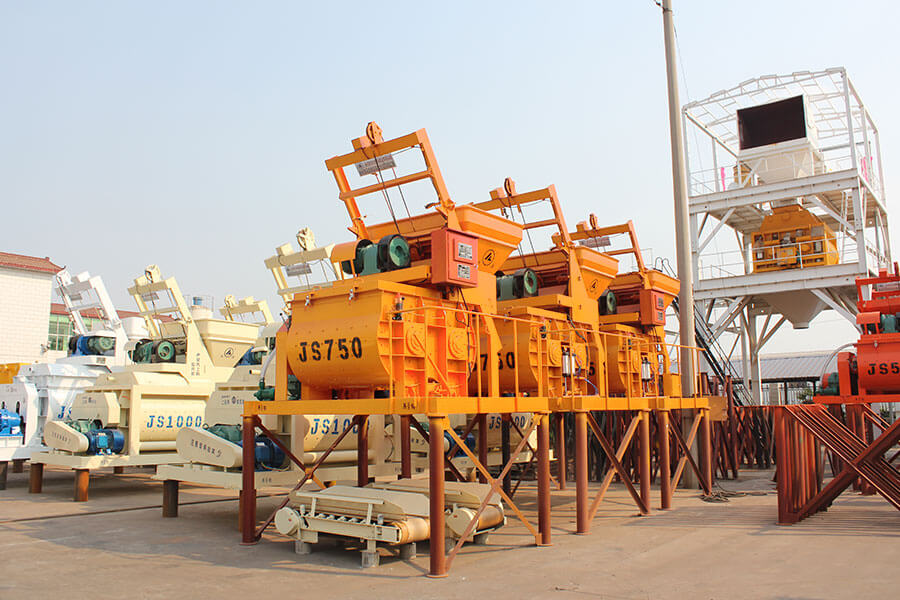
Model: JS4000 twin-horizontal shaft forced mixer.
Capacity: 4000 liters.
Features: good mixing quality, low energy consumption and low noise.
Batching system
Aggregate batching machine: PLD4800, weighing range 0-4800 kg, accuracy ±2%.
Cement scale: weighing range 0-2400 kg, accuracy ±1%.
Water scale: weighing range 0-1000 kg, accuracy ±1%.
Admixture scale: weighing range 0-100 kg, accuracy ±1%.
Conveying system
Aggregate conveying: belt conveyor, belt width 1000 mm, with sweeper.
Cement conveying: screw conveyor, maximum productivity 110 t/h.
Electrical control system
Adopt PC+PLC control system, high degree of automation, easy operation.
Equipped with humidity detector interface, can detect the moisture content of sand and gravel in real time and automatically correct the formula.
Cement silo
Capacity: 4×200 tons.
Equipped with dust collector and level meter to ensure safe cement storage.
Working Principle of HZS240 Concrete Batching Plant
Ingredients and metering: Aggregates, cement, water and admixtures are precisely metered through their respective batching systems, resulting in high accuracy in concrete mix proportions.
Conveying and loading: Aggregates are fed into the mixing main unit through a belt conveyor, cement is transported through a screw conveyor, and water and admixtures are injected through a pipe system.
Mixing: The twin horizontal shafts in the mixing main unit rotate in opposite directions, driving the mixing blades to fully mix the materials to ensure the uniformity of the concrete.
Discharging: After mixing, the concrete is discharged through the discharge door with a discharge height of 4 meters, which can be directly loaded into transport vehicles or construction equipment.
Control and monitoring: The electrical control system automatically manages the entire production process, and the operator can monitor the equipment operation status in real time through the control panel.
HZS240 Concrete Batching Plant Advantages
High-output configuration: The model combines a JS4000 twin-shaft mixer, aggregate batching and a selected control system for high-volume concrete production. Energy use and operating cost depend on the drives, auxiliaries, operating hours and site management, so request an itemised power schedule and compare total system consumption.
Transport-oriented modular construction: Major assemblies can be divided for shipment and site assembly. This is still a stationary plant: foundations, utility connections, lifting plans and recommissioning must be reviewed before any relocation.
Material-specific weighing: The summary table lists aggregate weighing at ±2% and cement and water at ±1%. These are equipment references; concrete consistency also depends on calibration, aggregate moisture, admixture control, mix design and operating checks.
Configurable dust control and maintenance access: Silo filters, dust collection at transfer points and centralized lubrication can be specified where required. Confirm the exact environmental package, maintenance points and local permit requirements in the technical schedule.
Configurable control and diagnostics: The plant can be offered with computer control and optional PLC functions. Confirm the actual interface, production reports, alarms, remote-support scope and operator-training package rather than assuming every monitoring feature is included.
Wide range of applications: mainly applicable to large-scale projects such as roads, bridges, ports, and hydropower, as well as the production of commercial concrete and precast components.
HZS240 Concrete Batching Plant Parameters
| Model | HZS240 |
| Capacity(m³/h) | 240 |
| Mixing system | Twin-shaft concrete mixer |
| Aggregate feeder | Incline belt conveyor |
| Discharging height(mm) | 4200 |
| After-sale service | Erection & commissioning, operator training |
| Warranty | 18 months |
| Concrete mixer | JS4000 |
| Mixing cycle | ≤60s |
| Aggregate batching machine(m³) | 4 x 25 |
| Weighing system | Water, Cement, Fly-Ash, Additive |
| Weighing precision | ±1% |
| Air system | Air compressor, etc |
| Control system Type | Computer auto-control module ( PLC can be optional item) |
| Control panel board | Buttons, lamps, indicators, CCTV, etc |
| Electric components | China CHINT, SCHNEIDER |
| Control room | With Air conditioner and chair |
| Documentation | Foundation layout, Electrical diagram, Operation manual |
| Screw conveyor diameter & length(mm) | Ø219/273, L=8000/9000 |
| Cement silo capacity(t) | 50/100/150/200/300/500 |
| Outer plant pack except aggregate bins | With main frame duct collector |
HZS240 Concrete Batching Plant FAQ
What is the HZS240 Concrete Batching Plant used for?
The HZS240 Concrete Batching Plant is suited to commercial concrete production, infrastructure work, bridge and road projects, and job sites that need stable batching and accurate material weighing.
What capacity or configuration should buyers check for the HZS240 Concrete Batching Plant?
The HZS240 Concrete Batching Plant page lists model-specific capacity and configuration details. Buyers should confirm the required output, working hours, material supply, and site conditions before final selection.
How should buyers choose the HZS240 Concrete Batching Plant?
Buyers comparing the HZS240 Concrete Batching Plant should check the listed model configuration against required capacity, installation conditions, control requirements, and supporting equipment on site.
What support should be confirmed before purchasing the HZS240 Concrete Batching Plant?
Buyers should confirm the 18-month warranty reference for the HZS240 Concrete Batching Plant, together with commissioning support, operator training, installation requirements, documentation, and after-sales arrangements before ordering.
get in touch
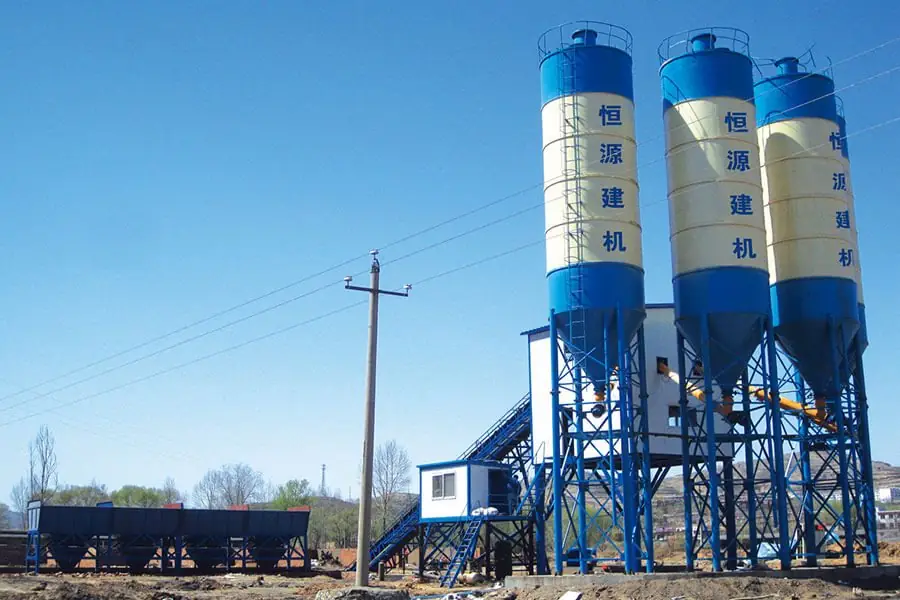
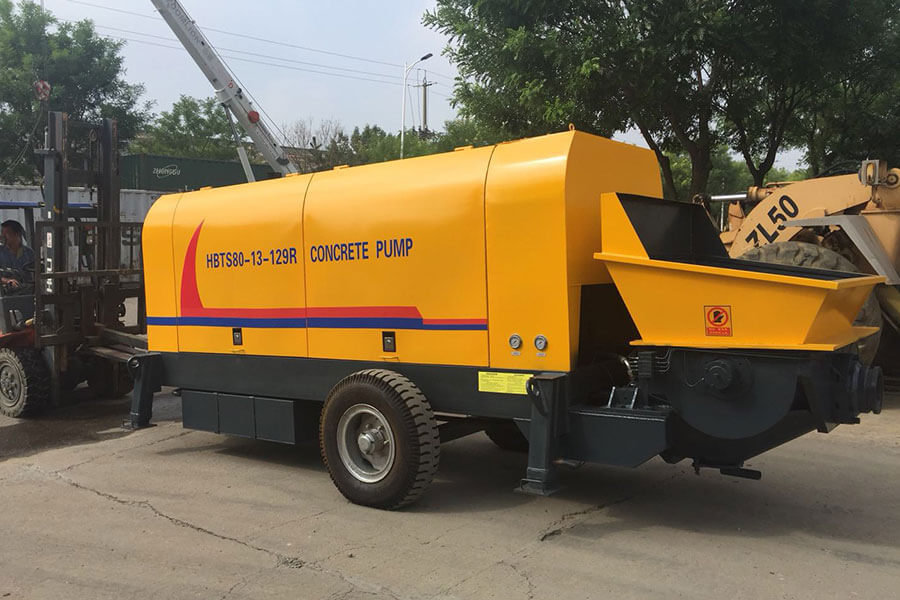
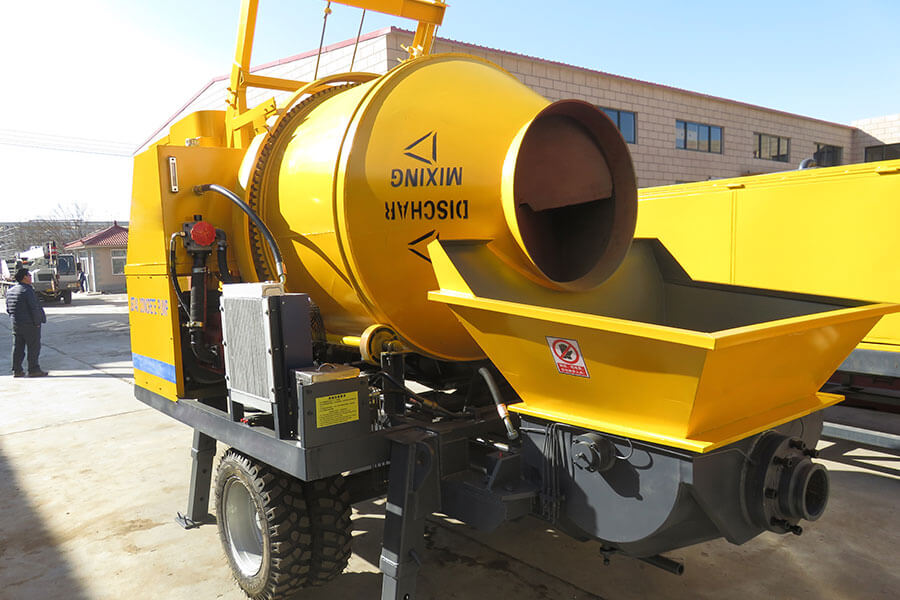
HZS240 Concrete Batching Plant product overview
This batching plant is used for reliable concrete production where weighing accuracy, mixer performance, aggregate storage, and control-system stability influence daily output. It is usually selected according to project scale, concrete demand, installation conditions, and local operating requirements.
Selection notes for quotation planning
For quotation planning, confirm the required hourly capacity, concrete grades, aggregate bins, cement silo quantity, mixer type, power standard, installation site dimensions, and any environmental or automation requirements.
When an HZS240 concrete batching plant is the right fit
The HZS240 is intended for operations that need sustained high concrete output, not merely a short peak. It can suit a commercial ready-mix depot, a large infrastructure programme or a project with several concurrent pours when material supply, truck dispatch and quality control can keep pace with the plant.
Oversizing has a cost. A smaller plant operating closer to its realistic capacity may use less capital, simplify maintenance and reduce idle time than a large plant waiting for trucks or aggregate. Compare annual or project demand, required peak output, expected operating hours and the consequences of downtime before choosing between the HZS120 and HZS240 configurations.
How to balance a 240 m³/h batching system
The listed 240 m³/h capacity corresponds to the nominal JS4000 batch volume and the stated mixing cycle under theoretical conditions. In production, the usable rate is affected by charging and discharge time, truck exchange, aggregate loader response, cement-silo replenishment, admixture preparation, grade changes and planned cleaning. The plant should therefore be planned as a complete material, batching, mixing, transport and quality-control system.
- Mixer and batch size: confirm the accepted batch volume for each mix and the cycle assumptions used for output planning.
- Aggregate logistics: size stockpiles, loader capacity and bin configuration for peak demand. The 4 × 25 m³ bin listing is a model reference, not a fixed requirement for every order.
- Cement supply: coordinate silo capacity, delivery intervals, screw-conveyor capacity and material assignment with the intended output and concrete grades.
- Truck dispatch: match the plant to the number, size and turnaround of mixer trucks, the placing rate and the shortest and longest delivery routes.
- Laboratory and quality control: plan sampling, slump testing, cube preparation, moisture checks and records so production is not slowed by unresolved quality decisions.
HZS240 site planning checks
Request foundation drawings and load information for the final configuration, including silos and fully loaded bins. Check soil conditions, wind and seismic requirements, lifting access and the sequence for assembling the main frame, mixer, belt conveyor and silos. The site should also provide adequate transformer capacity, cable routing, earthing, compressed air, water storage, admixture tanks, drainage and safe maintenance access.
Traffic planning deserves the same attention as equipment selection. Concrete trucks, aggregate deliveries and loaders should be separated where possible, with enough waiting space to avoid blocking public roads. Dust collection, wheel washing, wastewater handling and noise control should be agreed with reference to local requirements, not added after commissioning.
Information to include in an HZS240 quotation request
Provide the installation country and site plan, required sustainable and peak output, concrete grades and mix designs, aggregate sizes and sources, cement and supplementary materials, expected delivery distances, truck fleet, power supply, automation level and local standards. Ask for the detailed equipment list, general arrangement, foundation loads, utility consumption, exclusions, transport and installation scope, commissioning plan, operator training, warranty terms and recommended spare parts.
Compare the complete stationary concrete batching plant range, or send your project requirements for a configuration review.