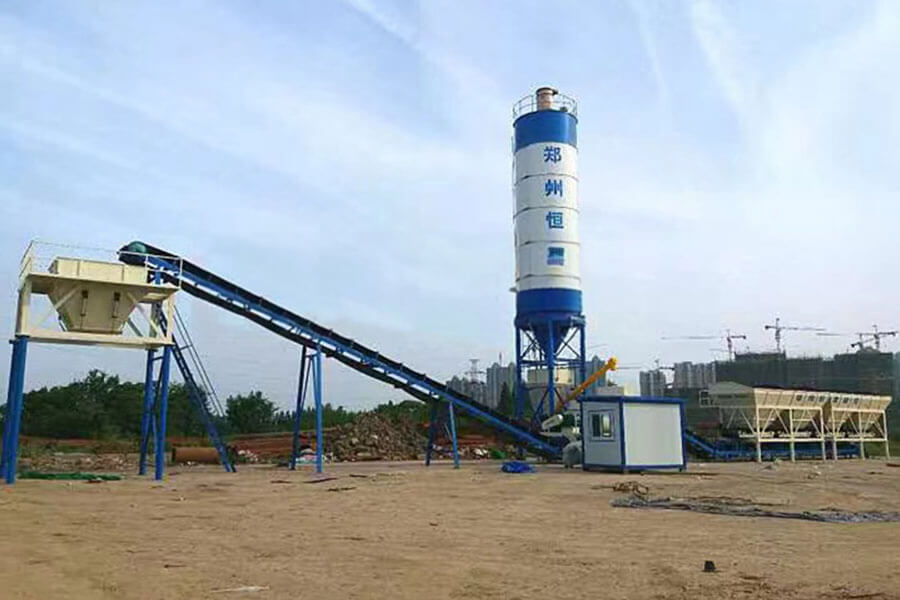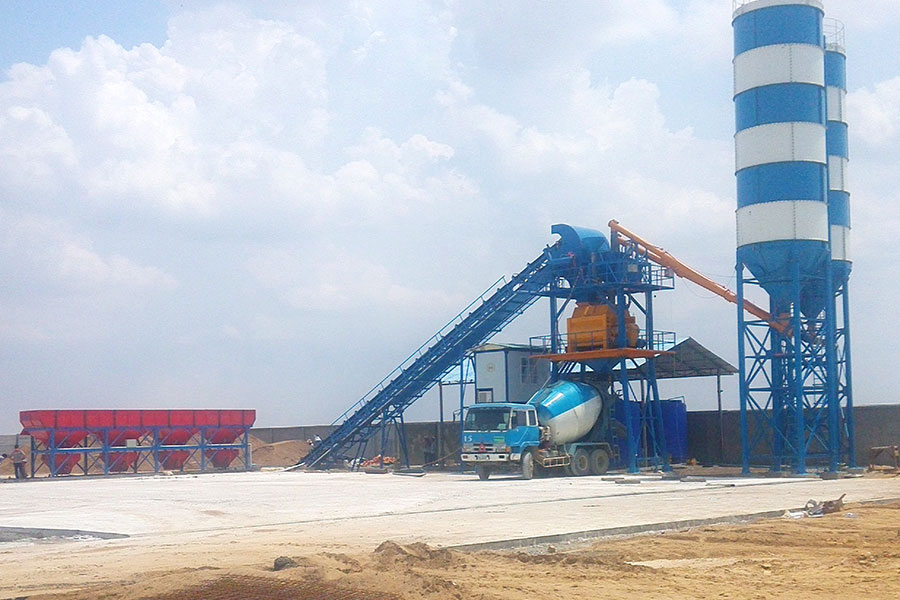

HZS120 Concrete Batching Plant
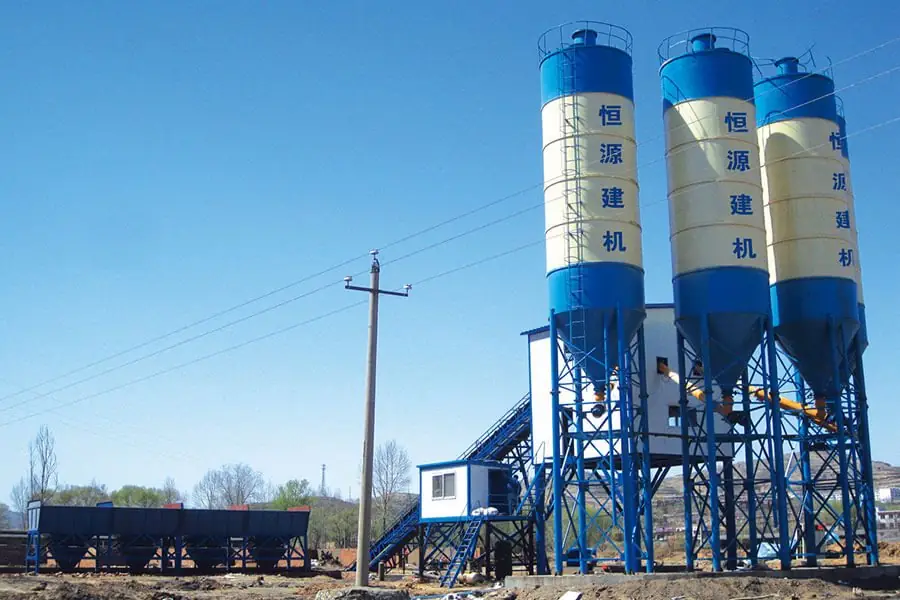
The HZS120 is a stationary concrete batching plant for ready-mix production and infrastructure projects. Its theoretical production capacity is 120 m³/h, and the listed mixing unit is a JS2000 twin-shaft mixer. Actual output depends on the concrete mix, batching cycle, material supply and site operating conditions. Confirm the control system, storage capacity and installation layout for your project before ordering.
Theoretical capacity: 120 m³/h
Warranty: 18 months
Mixing Machine: JS2000 twin shaft mixer
Voltage: 220v/380v/415v/440v/480v(50Hz/60Hz)
More Product Details
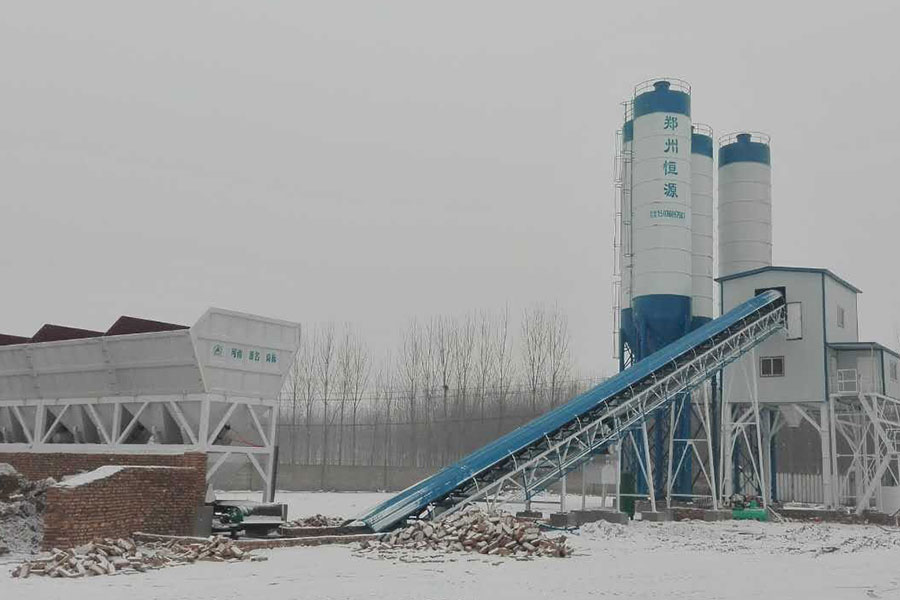
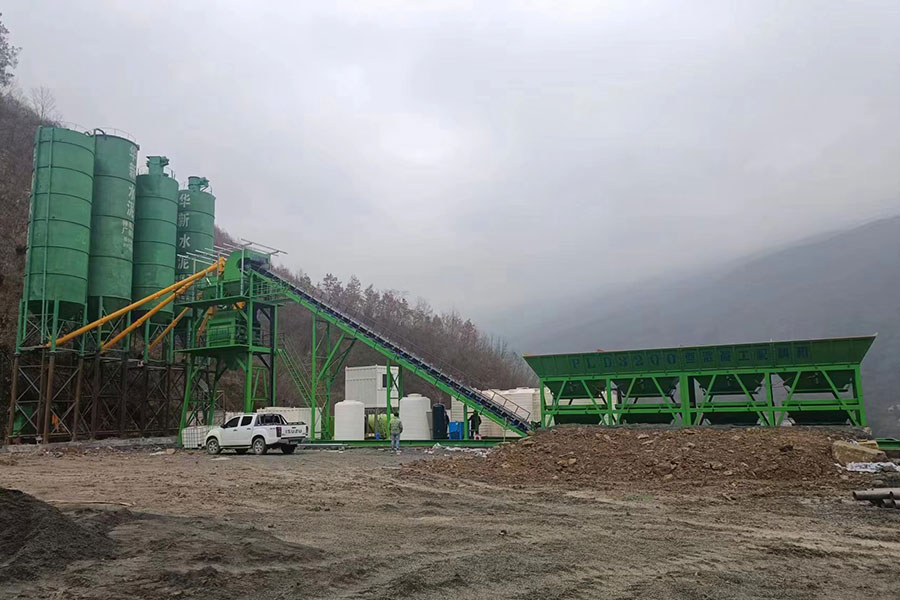
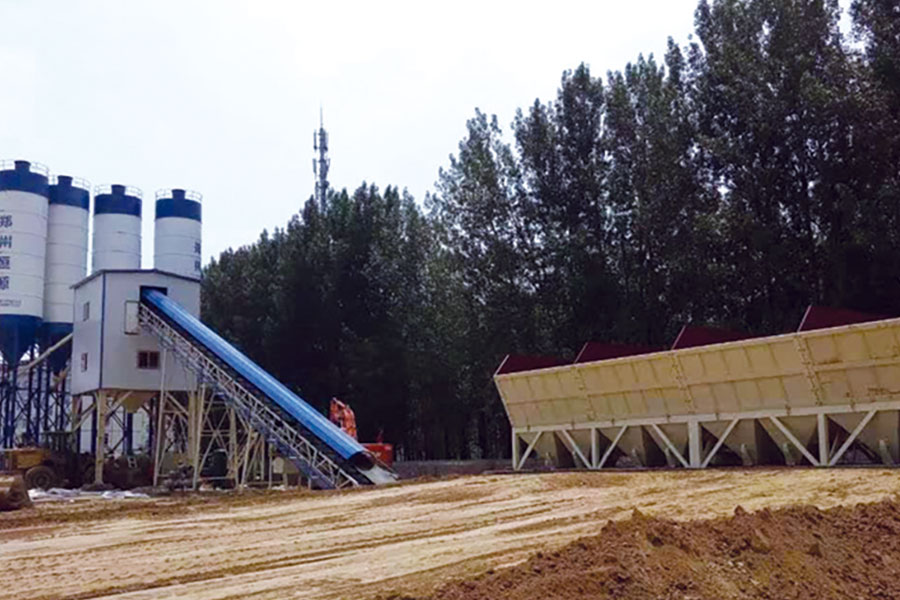
Structure of HZS120 Concrete Batching Plant
Configuration and supply scope
The HZS120 combines aggregate batching, mixing, material conveying, weighing and electrical control. The equipment list below describes the main systems; it is not a fixed package for every order. Confirm the supplied components, options and site responsibilities in the quotation and technical schedule.
1. Mixing unit
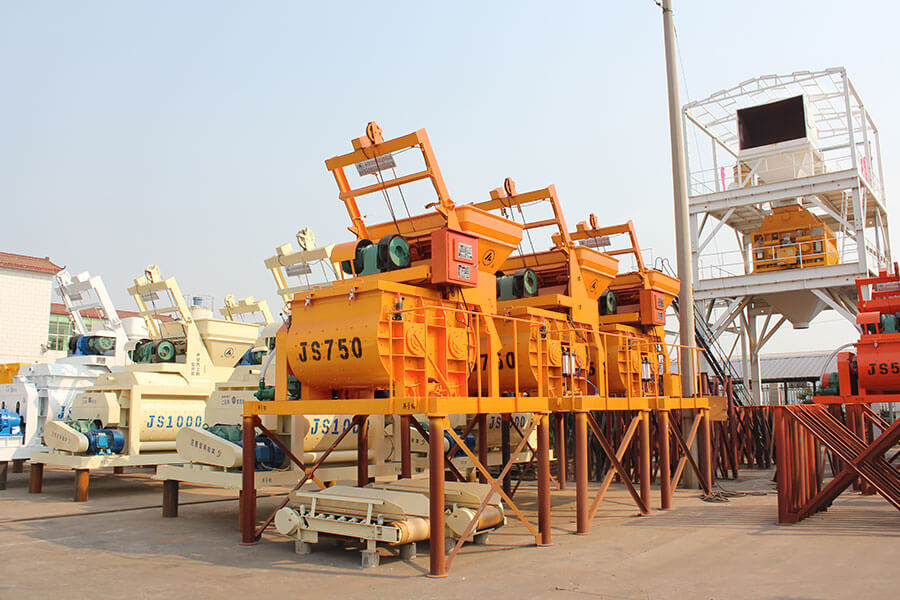
The listed mixer is a JS2000 twin-shaft concrete mixer with a listed capacity of 2,000 litres. Confirm the required concrete mix, aggregate size and mixing cycle when selecting the plant. The hourly production rating is not an unconditional guarantee of site output.
2. Batching and weighing
The batching system measures aggregates, cementitious materials, water and admixtures before mixing. Confirm the aggregate bin arrangement, weighing ranges and permitted weighing deviation for each material in the approved technical schedule. Calibration and material conditions must be considered when commissioning the plant.
3. Material conveying
A belt conveyor feeds aggregates to the mixing unit, while screw conveyors transfer cementitious materials from storage to the weighing system. Confirm conveyor dimensions, routing and capacity against the site layout and material requirements. These conveyors handle raw materials; finished concrete is discharged through the mixer outlet.
4. Electrical control and optional functions
The parameter table lists computer automatic control, with PLC configuration as an option. Confirm the controller and functions included in your quotation. Moisture sensing, automatic water correction, remote monitoring and fault diagnosis must be specified separately; an interface provision does not mean sensors or those functions are included.
5. Cementitious material storage
Silo quantity and capacity depend on material types, delivery arrangements, required storage and site space. The capacities listed in the parameter table are selection options, not a requirement to install four 200-ton silos. Confirm the selected silos, dust collectors, level monitoring and associated supply scope in the quotation.
Working Principle of HZS120 Concrete Batching Plant
The batching process separates raw material weighing and conveying from mixing and finished-concrete discharge:
1. Batching and metering
The aggregate and dedicated weighing systems measure the specified quantities of aggregates, cementitious materials, water and admixtures. The selected control configuration coordinates the recipe and batching sequence.
2. Conveying and loading
The belt conveyor feeds aggregates, screw conveyors transfer cementitious materials, and the water and admixture systems deliver their measured quantities to the mixer. Confirm the routing and equipment arrangement against the approved plant layout.
3. Mixing
The twin-shaft mixer blends the batched materials for the specified mixing cycle. Concrete consistency and quality depend on the recipe, material properties, mixing time and operating checks; mixer design alone does not guarantee the required concrete performance.
4. Finished-concrete discharge
The mixed concrete leaves through the mixer discharge gate for loading into the selected receiving equipment. Check the clearance for mixer trucks or other receiving equipment against the confirmed layout drawing. Use that drawing, rather than a rounded height description, for installation planning.
5. Control and operating checks
The selected control system manages the batching sequence and displays the available operating information. Operators should follow the supplied operating instructions and commissioning checks. Confirm which monitoring, alarm and diagnostic functions are included in the ordered configuration.
HZS120 Selection and Operating Considerations
1. Plan for actual production demand
The 120 m³/h figure is a theoretical capacity rating. Compare it with your required hourly and daily production, concrete mixes, operating hours and material replenishment. Do not treat the model rating as guaranteed output for every recipe or project.
2. Review the installation layout
The plant is a stationary installation. Modular components can support transport and assembly, but relocation still requires review of foundations, utilities, lifting access and commissioning. Do not assume it has the same relocation requirements as a mobile batching plant.
3. Confirm weighing specifications
Request material-specific weighing ranges, tolerances and calibration requirements. The summary parameter table is a selection reference, not a substitute for the technical schedule. Consistent concrete production also requires suitable materials, an approved mix design and operating checks.
4. Specify dust control and maintenance
Review dust collection at the selected silos and transfer points, together with access for inspection, lubrication and wear-part replacement. Confirm the supplied equipment and local project requirements. This page does not establish a quantified energy saving, emissions reduction or maintenance-cost guarantee.
5. Match controls to the operating team
Confirm the control interface, operator training, local voltage and frequency, and any required remote-support functions. Computer control, PLC options and moisture correction should be clearly itemised so the quotation matches the intended operating method.
6. Prepare a project-specific enquiry
Send the installation country, required output, concrete application, material types, site dimensions and power supply. Ask for a written equipment list, layout, foundation requirements, delivery scope and installation arrangements. Final specifications and service responsibilities should be confirmed before ordering.
HZS120 Concrete Batching Plant Parameters
| Model | HZS120 |
| Capacity(m³/h) | 120 |
| Mixing system | Twin-shaft concrete mixer |
| Aggregate feeder | Incline belt conveyor |
| Discharging height(mm) | 4200 |
| After-sale service | Erection & commissioning, operator training |
| Warranty | 18 months |
| Concrete mixer | JS2000 |
| Mixing cycle | ≤60s |
| Aggregate batching machine(m³) | 4 x 20 |
| Weighing system | Water, Cement, Fly-Ash, Additive |
| Weighing precision | ±1% |
| Air system | Air compressor, etc |
| Control system Type | Computer auto-control module ( PLC can be optional item) |
| Control panel board | Buttons, lamps, indicators, CCTV, etc |
| Electric components | China CHINT, SCHNEIDER |
| Control room | With Air conditioner and chair |
| Documentation | Foundation layout, Electrical diagram, Operation manual |
| Screw conveyor diameter & length(mm) | Ø219/273, L=8000/9000 |
| Cement silo capacity(t) | 50/100/150/200/300/500 |
| Outer plant pack except aggregate bins | With main frame duct collector |
HZS120 Concrete Batching Plant FAQ
What does the 120 m³/h capacity rating mean?
120 m³/h is the theoretical production capacity. Actual output depends on the concrete mix, batching cycle, raw material supply and site operating conditions. Provide your hourly and daily demand so the proposed configuration can be reviewed against your production plan.
Are four 200-ton silos and PLC control included?
No single silo package is specified for every project. Silo quantity and capacity must be selected for the materials and site. The listed control system allows PLC as an option; confirm the controller, moisture equipment and other functions in the written quotation rather than assuming they are included.
What site information is needed for a quotation?
Provide the installation country, concrete application, required output, site dimensions, material types and local voltage and frequency. Confirm foundations, utility connections and unloading clearance against the proposed layout. Installation time, transport requirements and total power should be confirmed for the selected configuration.
What warranty and installation support should be confirmed?
This page lists an 18-month warranty and erection, commissioning and operator-training support. Confirm warranty start date, coverage, exclusions, engineer travel, site responsibilities and charges in the sales agreement. For a related application, see the Pakistan HZS120 project case; its configuration is not a standard package for all orders.