
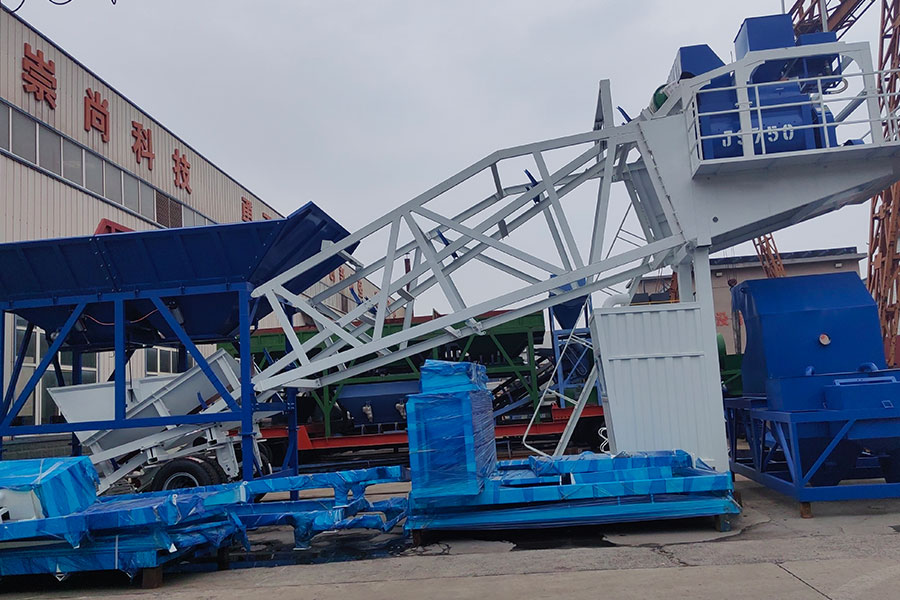
Wet Stationary Concrete Batching Plant: A Key Solution for Efficient and Sustainable Construction
As the construction industry continues to expand, the demand for efficient, consistent, and sustainable concrete production has increased significantly. To meet this demand, the wet stationary concrete batching plant has emerged as one of the most effective solutions.
By processing wet-mix concrete on-site, this type of batching plant delivers superior control over the mixing process. As a result, wet stationary batching plants have become an essential component of modern construction.
In this article, we explain what wet stationary concrete batching plants are, highlight their key advantages, and explore why they are critical to the future of construction.
What Is a Wet Stationary Concrete Batching Plant?
A wet stationary concrete batching plant is a facility that produces ready-mixed concrete using a centralized wet mixing process. Unlike dry batching plants, which mix materials inside transit mixer trucks, wet stationary plant mix cement, aggregates, water, and admixtures directly at the plant before transportation.
Because the entire mixing process takes place under controlled conditions, operators can precisely manage concrete consistency, strength, and quality, ensuring the final mix meets exact project specifications.
In addition, these plants remain fixed at one location throughout the project lifecycle. Therefore, contractors widely use them for large-scale projects that require a continuous supply of high-quality concrete.
Moreover, wet stationary batching plants integrate automated control systems that regulate the water–cement ratio and guarantee concrete homogeneity, making them indispensable in modern construction.
Key Advantages of Wet Stationary Concrete Batching Plants
Precise Mix Control
First and foremost, wet stationary batching plants deliver high-precision concrete mixing. Operators control the entire process from a centralized system, allowing real-time monitoring and adjustments. Consequently, the concrete maintains stable quality and consistent performance.
High Production Efficiency
In addition, wet stationary plant offer exceptional production efficiency. Engineers design these systems for high output, enabling them to produce large volumes of concrete in a short time. As a result, they are ideal for infrastructure projects, commercial buildings, and residential developments where time efficiency is critical.
Accurate Water–Cement Ratio
Furthermore, wet stationary plant provide precise control over the water–cement ratio, which directly affects concrete strength and durability. Automated systems add exact water quantities, reducing human error and improving overall concrete performance.
Sustainability and Waste Reduction
At the same time, manufacturers design wet stationary batching plants with environmental sustainability in mind. By accurately dosing raw materials, these plants minimize material waste. Additionally, they can utilize recycled aggregates, further reducing environmental impact and supporting green construction practices.
Strong Adaptability for Different Projects
Finally, wet stationary batching plants offer high customization flexibility. Whether the project involves high-rise buildings, road construction, or housing developments, the plant can produce the exact concrete grade required. This versatility makes wet stationary plants suitable for a wide range of construction applications.
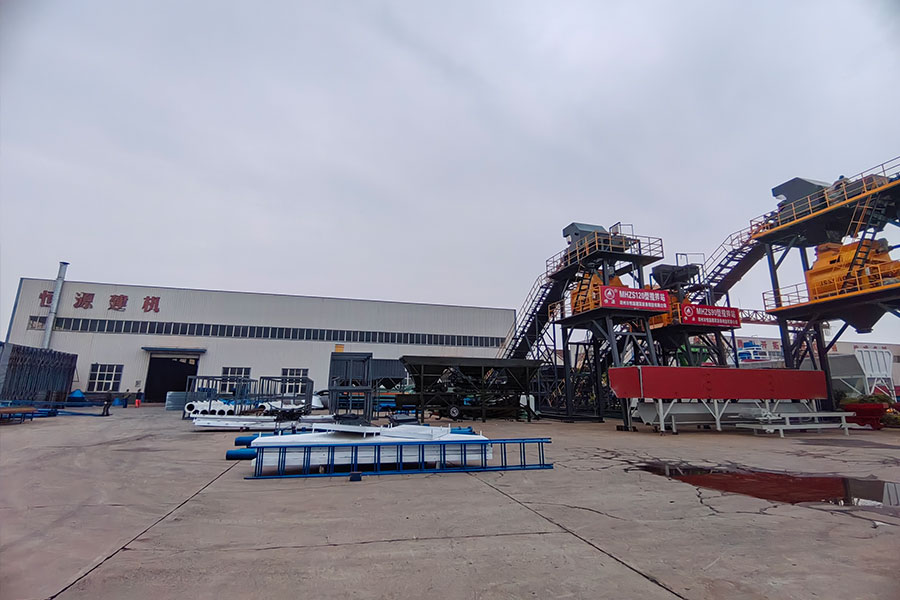
Why Wet Stationary Batching Plants Are Essential for the Future of Construction
As construction projects become larger and more complex, the industry increasingly demands high-quality concrete produced efficiently and sustainably. Wet stationary concrete batching plants effectively address both technical and environmental challenges.
With growing emphasis on carbon reduction and environmental responsibility, these plants play a vital role in lowering the environmental footprint of concrete production. Automated mix control and recycled material usage significantly reduce waste and natural resource consumption.
Moreover, precise concrete production enhances structural durability and safety. By meeting strict strength and performance standards, wet stationary batching plants help reduce the risk of structural failure and extend the service life of buildings and infrastructure.
Growing Market Demand for Wet Stationary Batching Plants
Looking ahead, the demand for wet stationary batching plants will continue to rise. As construction projects require greater consistency, efficiency, and sustainability, contractors increasingly rely on advanced batching technology.
In response, manufacturers continue to upgrade wet stationary batching plants by improving capacity, lowering operating costs, and further reducing environmental impact. For construction companies, investing in this equipment delivers long-term economic and operational benefits.
Conclusion
Wet stationary concrete batching plants are transforming the concrete production industry through precision, efficiency, and sustainability. As the construction sector grows, these plants will play an increasingly important role.
For contractors and developers, investing in a wet stationary concrete batching plant is a strategic and future-proof decision.
Call to Action
If you are involved in construction and need a reliable, efficient, and high-quality concrete production solution, consider the advantages of wet stationary concrete batching plants.
Contact us today to learn how we can help you optimize your concrete production process and improve project performance.