
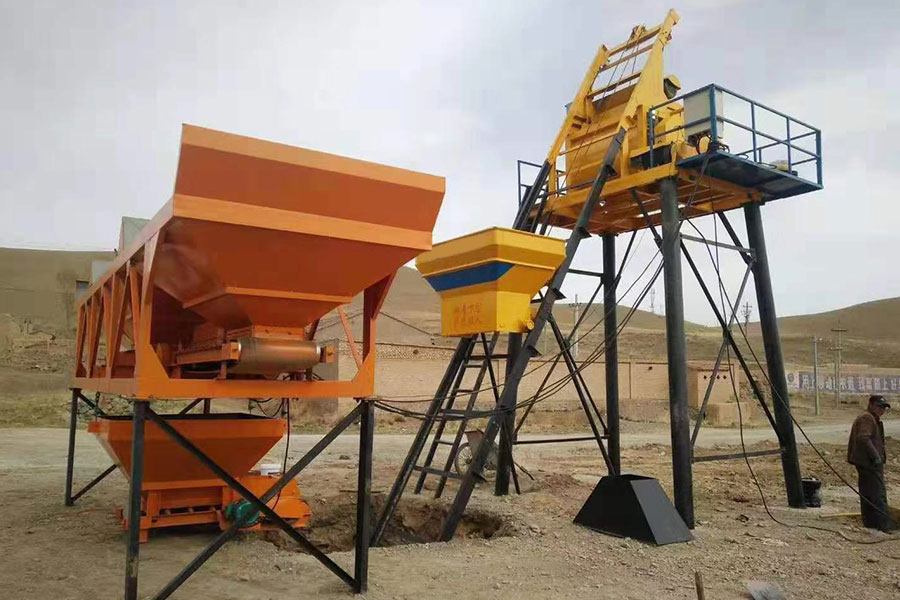
The Difference Between Dry Mix Concrete Batching Plants and Wet-Mix Concrete Batching Plants
Quick Answer: Dry-Mix or Wet-Mix Concrete Batching Plant?
A dry-mix concrete batching plant weighs and loads materials into the mixer truck, where final mixing happens during transport. A wet-mix concrete batching plant mixes concrete in the plant before discharge. Dry-mix plants can be simpler and faster for some supply models, while wet-mix plants usually provide stronger control over concrete uniformity.
The right choice depends on concrete quality requirements, delivery distance, mixer truck availability, local habits, project scale, and whether the buyer needs strict mixing control before concrete leaves the plant.
Dry-Mix vs Wet-Mix Comparison
| Factor | Dry-Mix Plant | Wet-Mix Plant |
|---|---|---|
| Mixing process | Final mixing happens mainly in the mixer truck. | Concrete is mixed by the plant mixer before discharge. |
| Quality control | Depends more on truck mixing time and delivery control. | Provides stronger control over mixing uniformity at the plant. |
| Equipment layout | Can be simpler because no central mixer is required. | Requires a central mixer and stronger mixing system planning. |
| Typical use | Ready-mix supply where truck mixing is accepted and logistics are stable. | Projects needing consistent concrete quality, precast work, or controlled mixing. |
| Buyer focus | Truck condition, loading accuracy, route time, and material moisture control. | Mixer quality, batching accuracy, discharge speed, and maintenance access. |
Dry-Mix and Wet-Mix FAQ
Which plant produces better concrete quality?
Wet-mix plants usually provide better control over mixing uniformity because concrete is mixed before leaving the plant. Dry-mix quality depends more on mixer truck condition and transport management.
Is a dry-mix plant cheaper?
A dry-mix plant can have a lower initial equipment cost because it does not use a central mixer, but total cost still depends on trucks, site layout, automation, cement storage, and operating requirements.
Which type is better for export buyers?
Export buyers should confirm local concrete standards, delivery habits, mixer truck availability, power conditions, installation support, and whether customers require centrally mixed concrete.
In modern construction, builders most commonly use concrete as a building material. With the continuous advancement of technology, concrete batching plants, as essential production equipment, have evolved into different types. The most common of these are dry mix concrete batching plant and wet mix concrete batching plant. While both are used to produce concrete, their operating principles, structures, and applications differ significantly. This article will delve into the specific differences between these two types of concrete batching plants.
1. Dry Mix Concrete Batching Plants-Differences in Operating Principles
Dry-mix concrete batching plants primarily mix dry materials such as cement, sand, and aggregates in a proportional manner without adding water during the mixing process. A precise batching system transports all raw materials to the mixer for dry mixing, creating a dry mix. Finally, workers add water to the dry mix on-site and mix it before use.
Wet-mix concrete batching plants, on the other hand, add water directly to the mix during the batching process, creating a wet mix. The system adds all ingredients… to the mixer and thoroughly mixes them to produce wet concrete. At this point, the concrete is ready for immediate use, eliminating the need for additional water on site.
2. Dry Mix Concrete Batching Plants-Production Efficiency and Quality Control
In terms of production efficiency, dry-mix concrete batching plants, because they don’t involve a wet mixing process, offer shorter production cycles and higher efficiency. Their advantage is that workers can store the produced concrete on-site or in transit warehouses for long periods, making them suitable for large-scale, continuous construction projects. Furthermore, the raw materials used in dry-mix batching plants are typically standardized, resulting in precise batching and excellent control of concrete quality.
In contrast, wet-mix concrete batching plants incorporate water into the concrete during the mixing process, resulting in longer production cycles. Workers must transport the produced concrete to the site as quickly as possible to avoid loss of strength due to prolonged storage. While wet-mix concrete has more consistent quality, it places higher demands on transportation and storage, typically requiring stricter management.
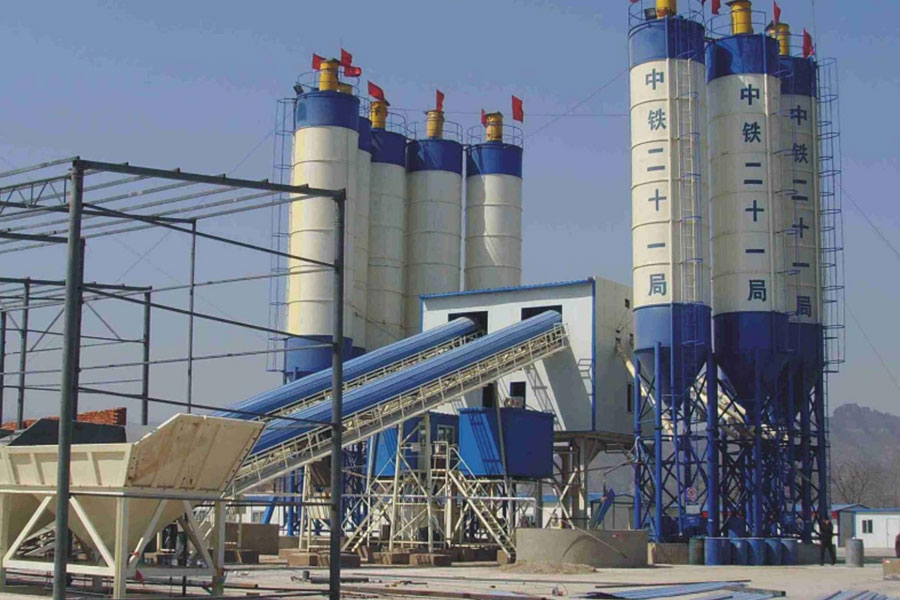
3. Dry Mix Concrete Batching Plants-Differences in Application Scenarios
Dry-mix concrete batching plants are primarily used in small-scale, decentralized construction projects, particularly those requiring highly precise concrete mix proportions. They are commonly used in projects such as roads and bridges, and are particularly well-suited for construction sites with high concrete strength requirements and large workloads. Due to their flexibility, construction projects also commonly use dry-mix plants for the production and bulk supply of ready-mixed concrete.
Wet-mix concrete batching plants are ideal for large-scale construction projects and those requiring rapid placement of large quantities of concrete. They can deliver pre-mixed wet concrete directly to the construction site, reducing the number of steps required during the construction process. They are particularly well-suited for large-scale construction projects requiring rapid placement, such as high-rise buildings, subways, and tunnels. Using wet concrete ensures high fluidity and strength, better meeting project construction requirements.
4. Dry Mix Concrete Batching Plants-Differences in Cost and Investment
In terms of cost, dry-mix concrete batching plants generally require lower equipment investment and operating costs, as they require only dry mixing equipment and minimal transportation equipment. Storage and transportation requirements are relatively simple, making them suitable for small and medium-sized projects.
Wet-mix concrete batching plants require a relatively high investment. The need for equipment such as water pumps, mixing equipment, and transport mixer trucks results in a high initial investment cost. Furthermore, wet-mix batching plants have relatively high operating costs, as wet concrete needs to be transported and used quickly, storage time is short, and transport losses are high. Therefore, wet-mix batching plants are more suitable for large-scale projects, but their operating costs are relatively high.
5. Dry Mix Concrete Batching Plants-Environmental Impact and Sustainability
One advantage of dry-mix concrete batching plants is their reduced environmental impact. This is because they only use dry materials in the production process, eliminating the use of water, which reduces water consumption. Furthermore, dry-mix concrete is more stable during transportation and storage, less susceptible to climate change, thus reducing material waste.
Wet-mix concrete batching plants, on the other hand, have a relatively greater environmental impact. First, due to the high water content of concrete, wet concrete is prone to evaporation during transportation, leading to quality degradation, especially in hot or dry weather conditions. Furthermore, the storage and transportation of wet concrete can result in waste, increasing resource consumption.
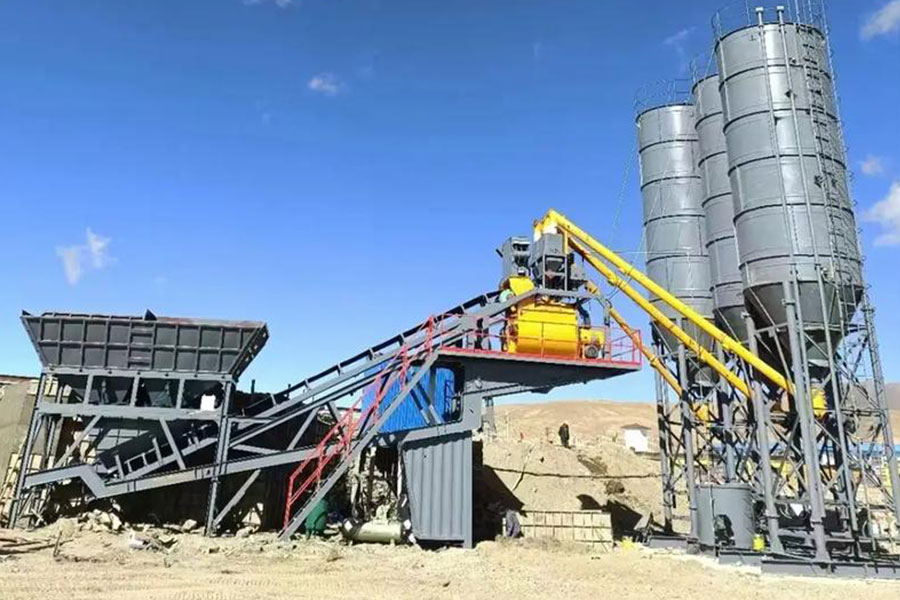
Dry Mix Concrete Batching Plants-Conclusion
In general, there are significant differences between dry-mix concrete batching plants and wet-mix concrete batching plants. Dry-mix concrete batching plants are more suitable for small-scale projects requiring high precision, while wet-mix concrete batching plants are more suitable for large-scale construction projects that require rapid concrete pouring. Each has its advantages and disadvantages, and choosing the right one should be carefully considered based on the specific needs of the project. With technological advancements, future concrete batching plants are likely to become more intelligent and environmentally friendly.
Henan Hengyuan is a professional concrete batching plant manufacturer.
Feel free to contact us for more details.