
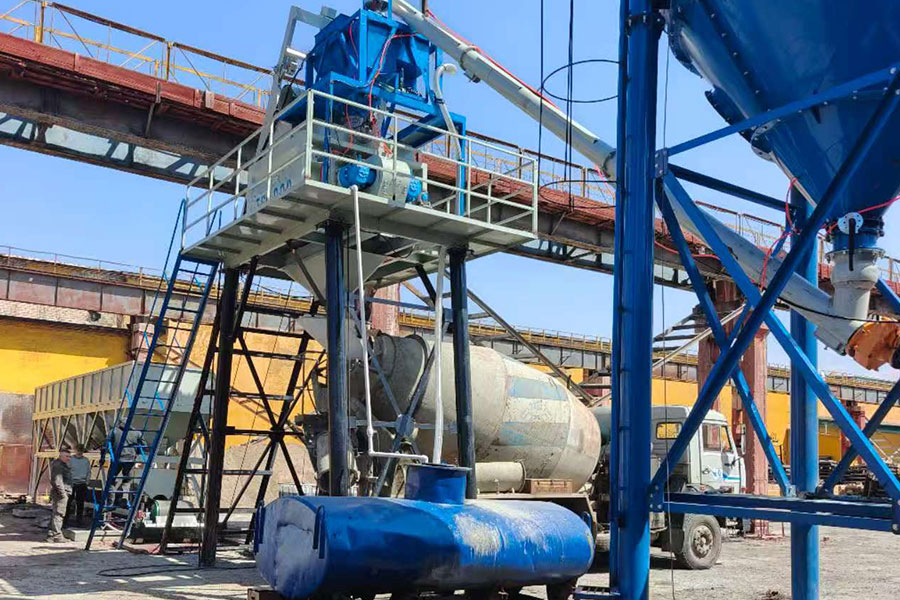
Stationary Concrete Batching Plant Price and Configuration Guide
A stationary concrete batching plant is a long-term production asset. Its price depends on the required output, aggregate feeding method, mixer type, cement storage, automation level, foundation work, power conditions and transport route. Buyers should compare complete configurations instead of using one equipment price to judge the whole project.
Quick Answer: What Affects Stationary Concrete Batching Plant Price?
Stationary concrete batching plant price is mainly affected by production capacity, mixer type, aggregate feeding method, cement silo configuration, automation level, electrical standard, steel structure, foundation design, shipping, installation support, and spare parts. A complete quotation should explain what is included and what is optional.
Buyers should compare stationary plant quotations by total project scope, not only by the listed machine price. Two plants with the same nominal capacity can have very different real output, service life, and operating cost.
Stationary Plant Price Comparison Table
| Price Factor | Buyer Check |
|---|---|
| Capacity and model | Confirm normal output, peak output, mixer truck circulation, and future expansion demand. |
| Feeding method | Compare skip hopper, belt conveyor, and aggregate storage layout based on site size and output target. |
| Cement storage | Check silo size, silo quantity, dust collector, level indicator, and screw conveyor length. |
| Control system | Review weighing accuracy, recipe management, report function, language, and electrical protection. |
| Service scope | Confirm drawings, installation guidance, spare parts, training, warranty, and remote support. |
Stationary Plant Price FAQ
Why is a stationary plant sometimes more cost-effective than a mobile plant?
For long-term fixed production, a stationary plant can offer stronger layout flexibility, larger aggregate storage, higher output options, and better support for continuous ready-mix supply.
What should be included in a stationary plant quotation?
A useful quotation should list mixer, batching machine, conveyor system, cement silo, screw conveyor, control system, electrical parts, spare parts, drawings, shipping scope, and installation service.
How can buyers avoid hidden costs?
Ask whether foundation work, silo accessories, dust collectors, installation, commissioning, freight, spare parts, and local electrical adaptation are included or quoted separately.
At a glance
- Confirm normal and peak output in cubic metres per hour.
- Compare belt-fed, hopper-fed and container-type configurations.
- Match the mixer, aggregate bins, weighing system and cement silos to the concrete grades produced.
- Include foundation, installation, commissioning, spare parts and transport in the budget.
- Check local power, environmental rules, site access and future expansion before ordering.
What determines the stationary batching plant price
1. Production capacity
Capacity affects the size of the mixer, aggregate batching system, conveyors, weighing hoppers, control system and supporting equipment. A larger plant may also require more foundation work and a larger aggregate storage area. A plant should match the real daily schedule rather than the largest model the site can physically hold.
2. Aggregate feeding and plant type
A belt-type plant can support faster aggregate delivery and higher output. A hopper-type plant may suit projects with simpler loading arrangements or limited available space. Container and modular designs can reduce site installation work, but they require a careful comparison of transport dimensions, crane access and connection points.
3. Mixer and weighing configuration
The concrete mixer influences mixing cycle, batch consistency and maintenance requirements. Twin-shaft mixers are commonly used for larger commercial and infrastructure projects. Aggregate, cement, water and additive weighing systems should match the required accuracy, mix design and automation level.
4. Cement storage and auxiliary equipment
Cement silo capacity, screw conveyor length, dust collection, water supply, admixture tanks, air compressor and control room requirements all affect the complete quotation. Buyers should provide the cement delivery method and expected storage duration so silo capacity can be reviewed correctly.
5. Automation and electrical standards
Manual, semi-automatic and automatic control systems have different hardware and engineering requirements. Overseas projects should also confirm voltage, frequency, protection level, local language, cable standards and spare-part preferences.
6. Foundation, transport and installation
Foundation design, concrete volume, steelwork, crane use, installation labour, commissioning and transport distance can be significant budget items. A low equipment quotation is not necessarily a lower project cost if site preparation and installation are excluded.
Typical configuration questions by project type
A small ready-mix yard may prioritize simple operation, stable weighing and room for future expansion. A high-volume commercial plant may need larger aggregate storage, multiple silos, faster weighing and a more comprehensive control system. Infrastructure projects should also review mobility, relocation plans, concrete delivery distance and the type of mixer truck or pump used downstream.
Useful inquiry details include target output, concrete grades, aggregate size, slump, admixture type, site dimensions, aggregate loading method, cement delivery method, power supply, water source, climate, installation location and planned project duration.
Why stationary plants suit long-term projects
Stationary concrete batching plants provide a stable production environment for commercial concrete, bridges, roads, buildings, tunnels, ports and industrial projects. Their fixed foundation supports repeatable weighing and mixing, while storage, maintenance and future expansion can be planned around the site. The main advantages are consistent output, easier quality control, lower relocation frequency and the ability to support a wider range of auxiliary equipment.
How to compare quotations correctly
- Confirm whether the price includes the main plant, control system, silos and auxiliary equipment.
- Ask for the exact model, mixer size, batching capacity and weighing method.
- Check electrical standards, motor brands, control components and supplied documents.
- Separate equipment, packaging, transport, foundation support, installation and spare parts.
- Confirm warranty terms, commissioning support, training and response procedures.
- Review the production schedule with actual cycle times, not only nominal output.
FAQ
Why is there no single fixed price for a stationary concrete batching plant?
The final cost depends on capacity, configuration, automation, cement storage, foundation work, electrical standards, transport and service scope. Two plants with similar nominal output can have different project costs.
How can buyers control the total project budget?
Define the real production target before selecting equipment, compare quotations on the same scope, reserve budget for foundation and installation, and avoid buying unnecessary configuration that will not be used regularly.
Should the price guide include shipping and installation?
Yes. International buyers should request a clear scope that separates equipment, packing, transport, installation support, commissioning, training and spare parts.
Conclusion
A practical stationary concrete batching plant budget connects equipment selection with the site, production schedule and service plan. Buyers can contact Henan Hengyuan with output, material and site details to compare a complete configuration.