
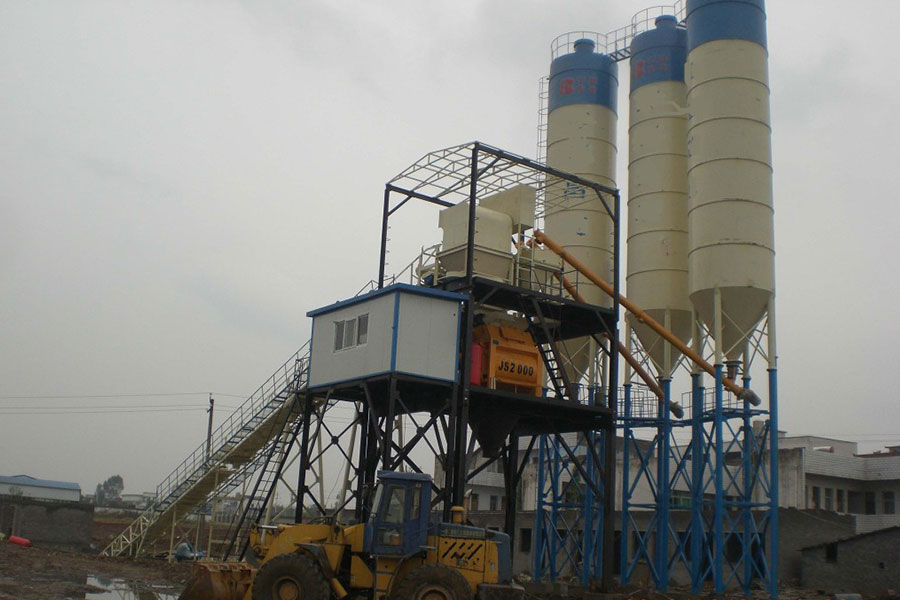
Concrete batching plant maintenance in cold regions
Concrete batching plants working in cold regions face more pressure than plants in mild climates. Low temperature can affect lubrication, pneumatic parts, water systems, admixture flow, aggregate moisture, concrete temperature, and operator safety. A good winter maintenance plan helps the plant keep stable output while reducing unexpected downtime.
Pre-winter inspection checklist
Before the cold season arrives, inspect the aggregate batching system, belt conveyors, rollers, mixer, cement silo, screw conveyors, air compressor, water pump, pipelines, valves, sensors, and control cabinet. Loose bolts, worn belts, damaged seals, and exposed cables should be repaired before freezing weather makes maintenance harder.
Lubricating oil and grease should match local temperature conditions. Cold weather can increase viscosity, making motors and reducers work harder. Check reducer oil, mixer shaft seals, bearing lubrication, and pneumatic lubricators so the equipment starts smoothly in the morning.
Water, admixture, and pipeline protection
Water systems are the most common winter risk. Pipes, pumps, water meters, and valves should be insulated or heated when freezing is possible. After production, drain exposed pipelines if the plant will stop overnight. Admixture tanks and pumps also need protection because some liquid admixtures become thicker at low temperature, affecting dosing accuracy.
Aggregate, cement, and mixing control
Frozen aggregates can block bins and reduce batching accuracy. Keep aggregate storage areas drained, avoid large frozen lumps, and monitor moisture changes carefully. Cement and powder materials must stay dry, so silo sealing, dust collectors, and screw conveyor covers should be checked regularly.
Cold weather can slow concrete strength development. Operators should follow project specifications for water temperature, admixture use, mixing time, discharge temperature, and transport protection. The batching plant control system should keep stable records so quality issues can be traced quickly.
Daily operation and safety tips
Start equipment gradually and listen for abnormal noise before full-load production. Remove snow and ice around ladders, platforms, aggregate bins, and mixer truck routes. Keep electrical cabinets dry and ventilated, and do not let temporary heating devices create fire risks. Operators should confirm emergency stops, limit switches, and alarms before each shift.
Henan Hengyuan can provide batching plant configuration and maintenance suggestions for cold-region projects. Share your local temperature range, plant model, daily output, and raw material conditions so engineers can recommend practical winter operation measures.
Winter shutdown and restart procedure
If the batching plant will stop for several days, clean residual concrete from the mixer, discharge hopper, and surrounding platforms. Drain water from exposed pipes, pumps, and meters. Cover sensitive sensors and check that the control room is dry. Cement silos should remain sealed to prevent moisture from entering powder materials.
Before restarting, operators should inspect frozen parts, test empty running, confirm scale zero points, check air pressure, and verify that water and admixture lines are flowing normally. Do not start full-load production until the mixer, conveyor, pneumatic system, and control system respond correctly.
For plants that operate every day in winter, create a simple shift record covering temperature, heating measures, lubrication, water drainage, aggregate condition, and any abnormal alarms. This record helps maintenance teams find repeated issues before they become expensive failures.
Cold-region spare parts planning
Cold-region projects should prepare vulnerable parts before winter production begins. Useful spare parts include conveyor belts, rollers, weighing sensors, solenoid valves, air pipes, water valves, mixer liners, blades, shaft seals, lubricants, and electrical components. Keeping these parts on site helps maintenance teams respond quickly when weather makes logistics slower.
For export projects in cold climates, buyers should tell the supplier the lowest expected temperature and whether the plant will operate continuously or seasonally. This information helps engineers recommend insulation, heating, lubrication, and control cabinet protection more accurately.
Winter operation review
At the end of the cold season, review failures, frozen points, spare parts consumption, and heating measures. This review helps improve the next winter plan and reduces repeated problems in water, pneumatic, and aggregate systems.
Cold-region inquiry details
For cold-region batching plant projects, provide the lowest winter temperature, working schedule, heating conditions, raw material storage method, and whether production continues through winter. These details help Hengyuan recommend more suitable protection measures.