
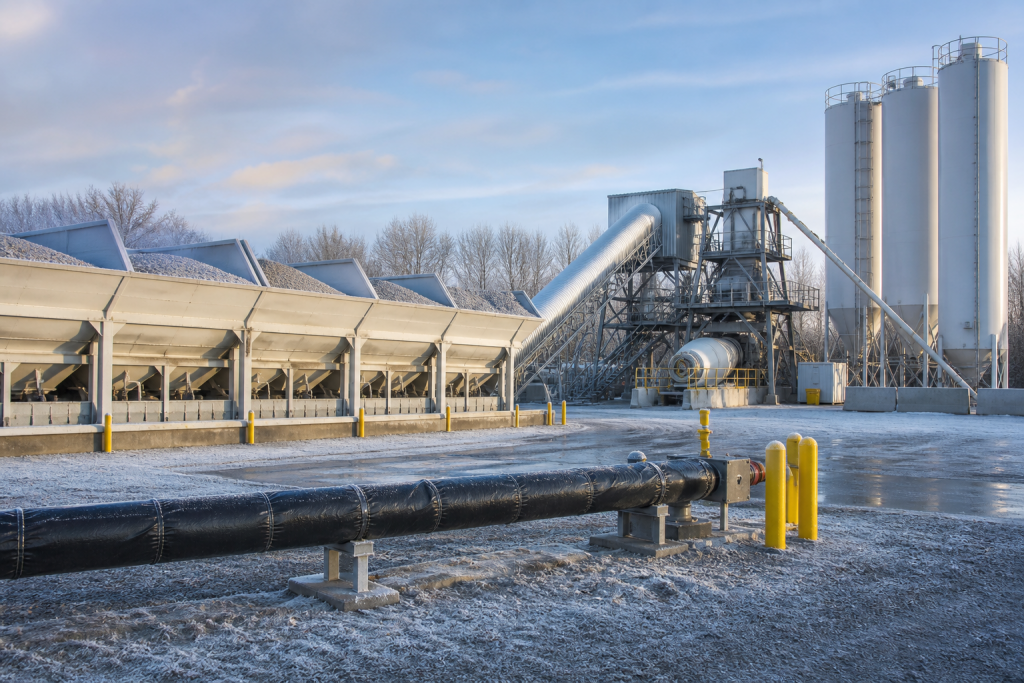
August 31, 2026 – Contractors, ready-mix producers, and equipment buyers are giving earlier attention to cold-weather concrete batching plant readiness when planning seasonal production, service access, spare parts, and daily operating routines. The issue is practical: water lines, aggregate bins, conveyors, cement silos, mixers, valves, and washout areas can all affect plant reliability when temperatures move toward freezing conditions.
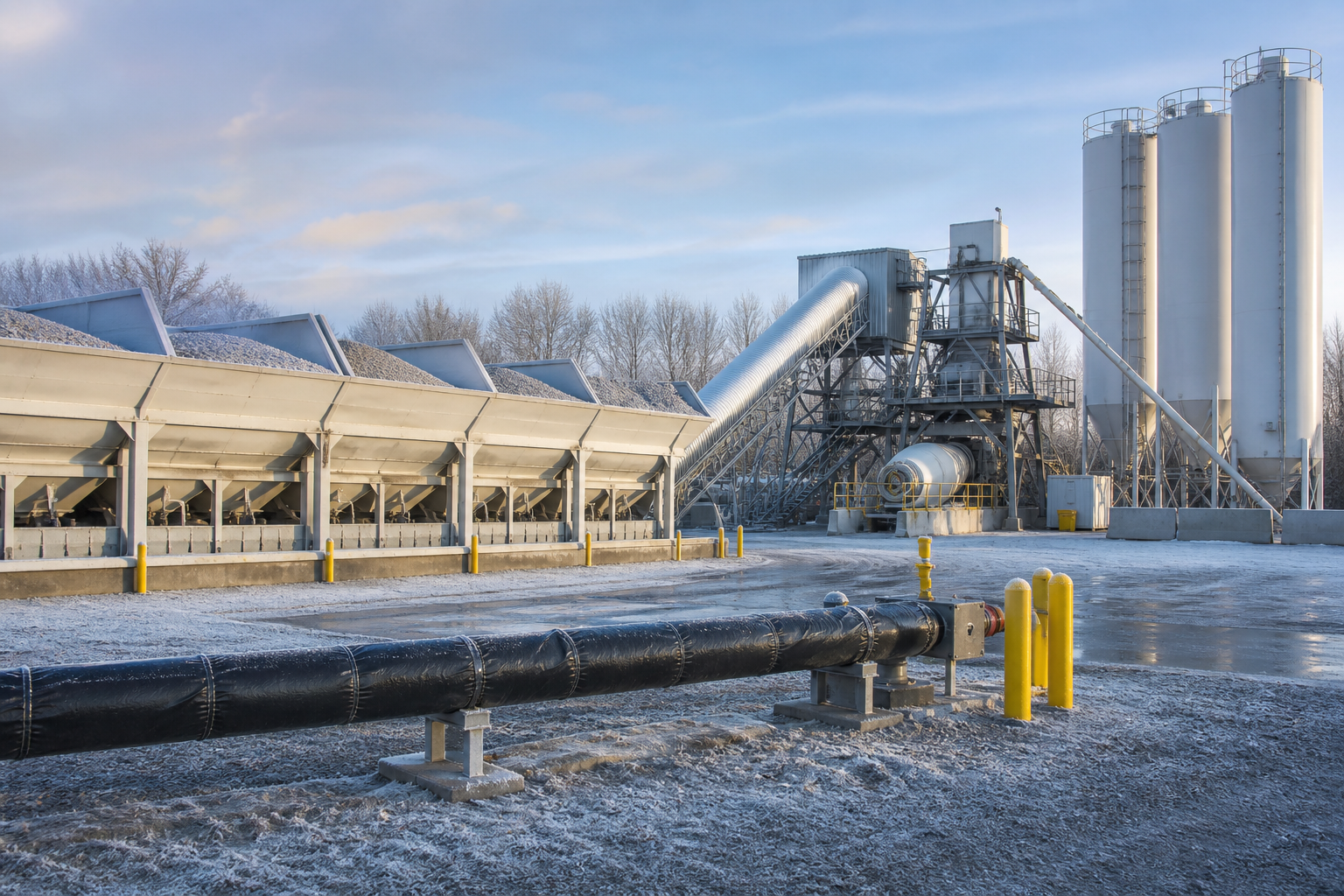
This article is an original industry analysis for construction contractors, ready-mix producers, plant managers, and concrete equipment buyers. It does not rely on specific third-party company announcements, customer cases, regulations, price data, or project claims. The focus is practical planning for concrete batching plants, aggregate handling, water systems, mixer access, conveyor protection, and winter service records.
At a glance
- Map water pipes, valves, meters, pumps and admixture lines before freezing conditions.
- Keep aggregate storage, bin dividers and loader routes predictable when material is wet or cold.
- Reserve safe access for mixer cleaning, lubrication, discharge gates and washout areas.
- Inspect control cabinets, cable entries, sensors and ventilation during seasonal maintenance.
- Match the winter routine to the plant type, climate, production hours and local service support.
- Coordinate batching, truck loading, concrete pumping and spare parts before production pressure rises.
Why readiness planning should start before the cold period
A stationary concrete batching plant or mobile system is often selected by rated output, aggregate bin layout, mixer model, cement silo capacity, weighing accuracy, and automation level. Those specifications still matter, but low-temperature operation adds another layer of planning. Water supply, admixture storage, aggregate feed routes, mixer cleaning, and operator access should be reviewed before the site is under daily production pressure.
Early planning does not mean every plant needs the same winter package. A compact site, a mobile plant, and a larger ready-mix yard may need different levels of enclosure, insulation, inspection, and spare parts. The useful step is to identify the parts of the plant that become harder to operate when water, aggregate, and cleaning routines are affected by cold weather.
Water systems need clear protection points
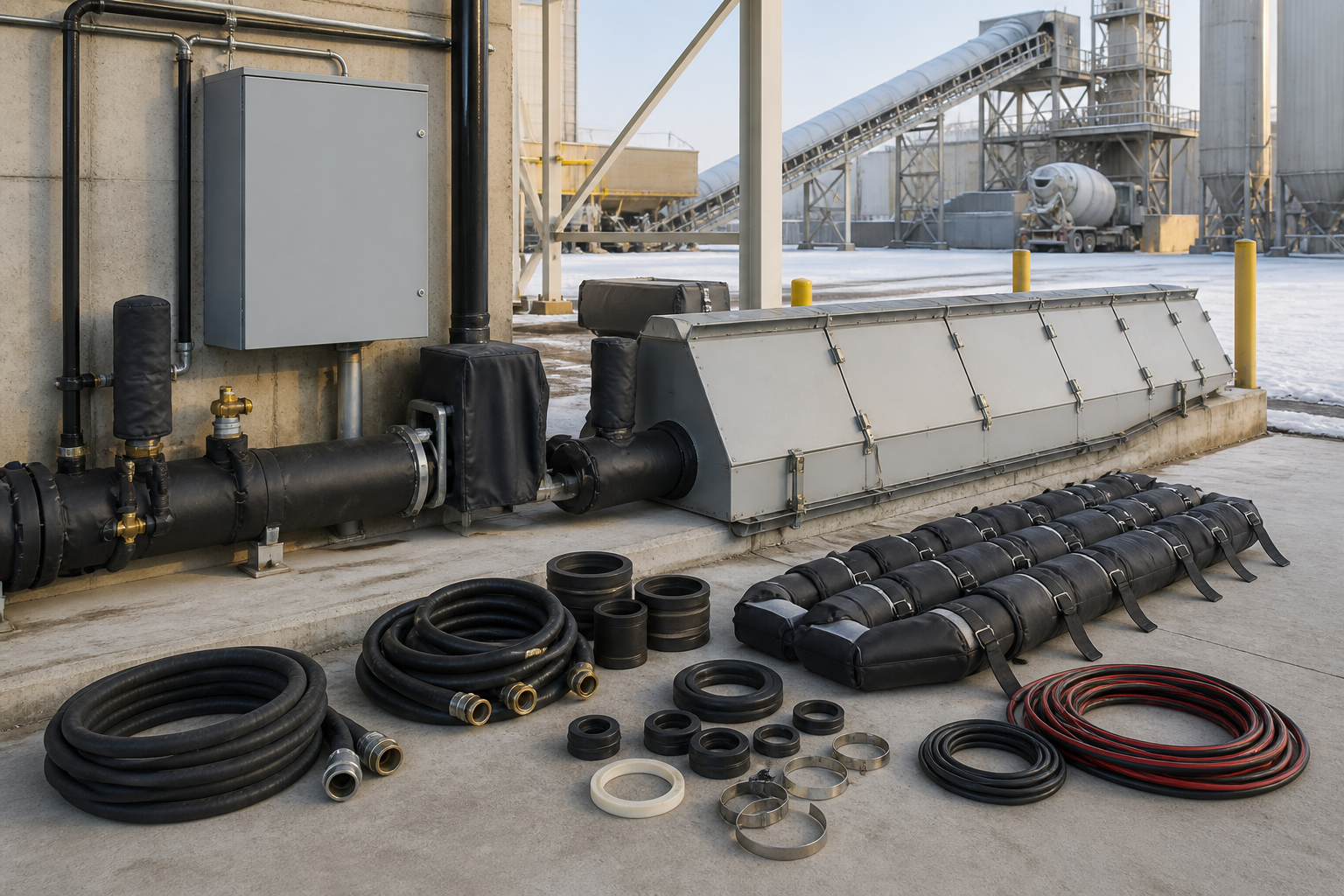
Water is one of the first systems to review. Exposed pipes, valves, meters, pumps, tanks, and flexible hoses should be mapped so the service team knows which sections require insulation, draining access, heat tracing, cover panels, or closer daily checks. A small missed valve can create a larger stoppage if operators only notice the problem at the start of a production shift.
Plant teams should also review how water correction and moisture control will be handled when aggregates are cold, wet, or unevenly drained. The control room may show a stable recipe, but real production still depends on material condition, water temperature, mixer performance, and operator judgment. Clear records help teams understand whether a quality issue came from the plant, the material, transport, or jobsite waiting time.
Aggregate storage and feeding should stay predictable
Aggregate handling can become less predictable when material is wet, frozen at the surface, poorly drained, or difficult for the loader to move consistently. Covered storage, clean bin dividers, stable loader routes, and simple drainage planning can all support more consistent feeding into the plant. The goal is not to overcomplicate the yard; it is to reduce avoidable variation before the weighing system begins.
For a mobile concrete batching plant, aggregate access may be shaped by temporary site layout, short setup time, and limited space around the bins. For a permanent plant, the review may include longer conveyors, multiple stockpiles, more truck traffic, and a larger service area. In both cases, cold-weather readiness should connect material storage with weighing accuracy and mixer output.
Mixer access and washout need practical routes
The concrete mixer is another key point. Cold-weather planning should consider mixer inspection access, cleaning time, washout drainage, lubrication points, access platforms, discharge gates, and buildup control. If cleaning is delayed or difficult, hardened material can create avoidable maintenance work before the next production day.
Washout planning should be realistic for the site. Operators need room to move safely around discharge areas, manage water, inspect surfaces, and keep access paths clear. A winter-ready plant is not only about keeping equipment warm; it is also about keeping daily cleaning and inspection tasks workable.
Conveyors, silos, and service parts should be checked together
Conveyors, belt covers, idlers, scrapers, chute liners, silo discharge areas, screw conveyors, dust collectors, level indicators, and access doors all deserve a practical inspection before heavy seasonal operation. The service team should check which parts are exposed, which components need cleaning access, and which consumables should be stored near the plant.
Spare parts planning should stay specific. Useful items may include seals, belts, bearings, filters, valve parts, water hoses, insulation covers, sensor protection parts, lubrication supplies, cleaning tools, and common electrical components. A clear list by plant model and system location is easier for crews to use than a general storage shelf.
Batching, delivery, and pumping should be coordinated
Cold-weather production does not stop at the mixer discharge. Truck loading rhythm, mixer truck access, waiting time, route planning, and jobsite communication can all affect concrete delivery. If concrete is supplied to a concrete pump, the team should also consider pump receiving access, pipeline cleaning, and the time between batching and placement.
This is why seasonal readiness should be treated as an operating workflow rather than a single equipment checklist. The batching plant, mixer truck, pump, washout area, site traffic route, and service team all need compatible timing and access. Early review helps managers identify small points that may become larger interruptions during colder production periods.
Electrical cabinets need ventilation and dry access
Cold weather does not remove the need for cabinet ventilation and clean electrical access. Control cabinets may support weighing, conveying, mixing, water metering, admixture dosing, alarms and production records. If vents are blocked, condensation is ignored, cable entries are poorly protected or cabinets are difficult to inspect, troubleshooting becomes slower during the season when downtime is already more costly.
Quick Answer: How Should a Concrete Batching Plant Prepare for Cold Weather?
Cold-weather batching plant readiness should focus on water temperature, aggregate moisture and freezing risk, admixture storage, air lines, electrical cabinet protection, mixer cleaning, spare parts, and safe restart routines. Low temperature can affect concrete performance, equipment movement, and daily maintenance.
Before winter production, plant managers should review heating options, drainage, insulation, material storage, operator procedures, and emergency response plans rather than waiting until freezing weather causes downtime.
Cold-Weather Readiness Table
| Area | Preparation Check |
|---|---|
| Water system | Protect water lines, pumps, tanks, and valves from freezing; confirm heating if needed. |
| Aggregate storage | Reduce frozen material risk with drainage, covering, stockpile management, and loader access. |
| Admixtures | Check storage temperature, dosing pump condition, pipeline protection, and formula adjustments. |
| Pneumatic system | Drain water, check filters, protect air lines, and confirm stable pressure in cold conditions. |
| Daily shutdown | Clean mixer, drain exposed lines, record alarms, and prepare restart steps for the next shift. |
Plant teams should review cabinet location, heater or ventilation requirements where appropriate, cable entry sealing, spare filters, terminal inspection, sensor wiring and control-room alarm visibility. These are ordinary maintenance details, but they become more important during cold starts, wet aggregate handling and extended production shifts.
Mobile and permanent plants need different routines
A mobile concrete batching plant may prioritize fast setup, protected plug connections, compact pipe routing, removable covers and inspection routines that travel with the equipment. A permanent ready-mix yard may need more durable pipe insulation, better drainage, larger spare-parts storage, covered aggregate handling and more formal seasonal maintenance records.
Both plant types should match the winter routine to the actual site. Climate, production hours, aggregate moisture, local service availability, concrete delivery distance and the project schedule all influence the checklist. A useful plan should be specific enough for operators to follow and simple enough to repeat every day.
Stable batching supports concrete pump supply
When a batching plant supplies a concrete pump, stable production rhythm matters. Water line interruptions, aggregate feed delays, mixer cleaning issues, sensor faults or difficult winter service access can disrupt dispatch timing and pumping continuity.
For pump-fed projects, teams should review batching rate, mixer discharge timing, truck loading clearance, water protection, admixture dosing, control-room alarms, spare parts, service access and communication between the plant and placement crew. The goal is a predictable process from aggregate feeding to weighing, mixing, discharge, transport and pumping.
Spare parts and seasonal records should be prepared early
Cold-weather readiness depends on practical availability as well as equipment design. Filters, belts, scrapers, sensors, dosing parts, valve components, pipe insulation, protected connectors and basic electrical parts should be reviewed against the actual plant configuration. Critical items should be identified before the first cold production period instead of being ordered during an unplanned stoppage.
Inspection records can connect control-room alarms with physical checks. Batch count, mixer timing, water values, admixture signals, motor current and discharge status become more useful when technicians can quickly inspect the related equipment. A simple seasonal log helps the next shift understand what was checked and what still needs attention.
Practical checklist for plant teams
- Map exposed water lines, valves, tanks, meters, hoses, pumps, and drainage points before low-temperature production begins.
- Review aggregate storage, bin dividers, loader routes, covered conveyors, drainage, and material feed consistency.
- Check mixer access, discharge gates, cleaning tools, lubrication points, washout routes, and buildup-prone areas.
- Inspect conveyor covers, idlers, chutes, silo discharge equipment, screw conveyors, dust collectors, and access panels.
- Organize spare parts by plant model, system location, and expected replacement urgency.
- Record daily observations on water supply, aggregate condition, mixer cleaning, sensor behavior, and replaced parts.
- Coordinate batching rhythm with mixer truck loading, concrete pump receiving, jobsite access, and communication routines.
FAQ
What does cold-weather concrete batching plant readiness include?
It includes practical checks for water systems, aggregate storage, conveyors, cement silos, mixer access, washout areas, spare parts, service access, and operating records before low-temperature production periods.
Does every plant need the same winter setup?
No. A mobile plant, compact project plant, and permanent ready-mix plant may need different insulation, enclosure, drainage, spare parts, and access plans depending on the site and production schedule.
Why should aggregate handling be reviewed for cold weather?
Aggregate condition affects feeding consistency, weighing accuracy, moisture correction, mixer performance, and concrete workability. Storage and drainage discipline can reduce avoidable variation.
What information should buyers prepare before discussing plant configuration?
Useful details include production capacity, climate conditions, plant type, aggregate storage layout, water supply design, mixer model, silo arrangement, truck loading route, pump use, cleaning area, and service support expectations.
Does cold weather affect control cabinets and sensor wiring?
Yes. Condensation, blocked ventilation, damaged cable entries and wet connections can cause sensor or control faults. Cabinet location, ventilation, sealing, terminal condition and alarm records should be included in the seasonal inspection routine.
What should buyers prepare before discussing winter readiness?
Useful details include plant type, expected output, site footprint, climate, aggregate storage plan, water source, mixer model, dosing needs, silo arrangement, pump supply plans, production hours and maintenance access limits.
Conclusion
Cold-weather concrete batching plant readiness is becoming an earlier planning topic because plant reliability depends on more than rated output. A useful seasonal plan connects water protection, aggregate feeding, conveyor inspection, cement silo checks, mixer cleaning, spare parts, service access, delivery rhythm, and jobsite communication. Buyers can review the product center or contact hengyuan Concrete Machines with project details to discuss concrete batching plant configuration and support needs.
Our Whatsapp: +86 199 3949 4756