
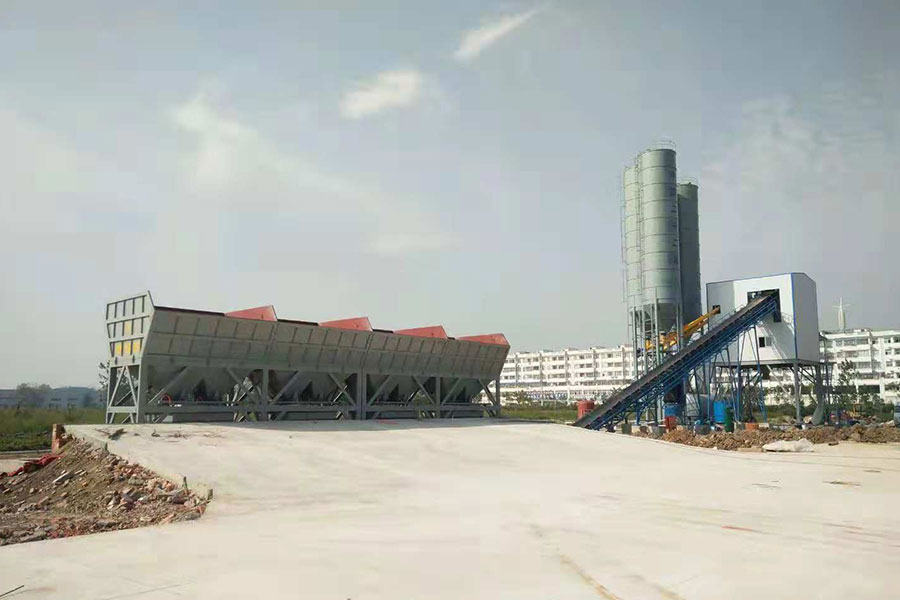
Concrete batching plant structure and workflow
A concrete batching plant is more than a mixer. It is a coordinated production system that stores raw materials, measures each ingredient, transfers them to the mixer, and controls discharge according to the required concrete recipe. Understanding the structure of a concrete batching plant helps buyers compare quotations, check whether a layout fits the jobsite, and avoid choosing a configuration that looks low-cost but creates bottlenecks during daily production.
Main components of a concrete batching plant
The aggregate batching system normally includes storage bins, weighing hoppers, belt conveyors, and feeding devices for sand and stone. For small plants, a skip hoist or compact belt system may be enough. For higher-output stationary plants, a wider belt conveyor and larger aggregate bins help keep feeding stable during continuous production.
The powder system includes cement silos, screw conveyors, powder weighing units, and dust collection equipment. Cement, fly ash, or other powder materials must be stored dry and delivered accurately. A well-designed silo system also leaves enough space for truck access, maintenance, and future capacity expansion.
The liquid system handles water and admixtures. Accurate water metering is especially important because small changes can affect slump, strength, and workability. Admixture tanks and pumps should be matched to the concrete grades commonly produced by the project.
The mixing system is the core of the plant. Twin-shaft mixers are widely used for ready-mix concrete, precast work, road projects, and commercial concrete supply because they provide strong mixing intensity and stable output. The mixer model should match the required hourly capacity, aggregate size, concrete type, and discharge method.
The control system connects weighing, conveying, mixing, discharge, formula storage, and production records. A reliable control cabinet helps operators reduce manual errors, switch recipes quickly, and track batch data for quality management.
Concrete batching machine workflow
The workflow starts with raw material preparation. Aggregates are loaded into separate bins according to size, cement is stored in silos, and water and admixture tanks are checked before production. Operators then select the mix formula in the control system.
Next, each material is weighed according to the recipe. Aggregates are weighed in the batching machine, powders are measured in powder scales, and liquids are measured through water and admixture meters. After weighing, conveyors or skip hoists feed the materials into the mixer in the correct sequence.
During mixing, the system controls mixing time to achieve uniform concrete. Finished concrete is discharged into a mixer truck, concrete pump, or site transport equipment. For large or continuous jobs, the plant repeats this cycle while the operator monitors material supply, weighing accuracy, mixer load, and discharge rhythm.
What buyers should check before ordering
Before choosing a plant, confirm the target output per hour, the number of concrete grades, aggregate sizes, site dimensions, foundation conditions, local power supply, and whether the project needs a stationary, mobile, or containerized layout. Buyers should also check silo capacity, mixer model, control system language, spare parts supply, installation support, and whether the supplier can provide layout drawings for the actual site.
Henan Hengyuan can configure batching plants for road construction, building projects, ready-mix concrete supply, precast yards, and export projects. If you are comparing plant structures, share your required capacity, raw material conditions, and site layout so our engineers can recommend a practical configuration.
How structure affects plant capacity
Plant capacity is affected by more than mixer size. Aggregate feeding speed, weighing cycle, screw conveyor capacity, discharge height, mixer truck access, and operator workflow all influence real production. For example, a mixer may have enough volume on paper, but narrow belts, small aggregate bins, or slow truck circulation can reduce actual hourly output. This is why layout review is important before confirming a concrete batching plant order.
For export projects, buyers should also confirm voltage, control language, steel structure packing, spare parts list, foundation drawings, and installation guidance. These details make commissioning smoother and help the plant reach stable production faster after arrival.