The role of a concrete batching plant
A concrete batching plant measures aggregates, cementitious materials, water and admixtures to an approved mix design. A central-mix plant mixes concrete before discharge; a dry-batch plant loads measured ingredients into a truck mixer for final mixing. The right workflow depends on the concrete specification, delivery route and site demand. The examples below describe applications and planning checks, not measured results from every installation.
Quick Answer: What Is a Concrete Batching Plant Used For?
Batching plants support ready-mix supply, infrastructure construction, building sites and precast yards by preparing specified quantities of concrete ingredients. They can serve one project or a commercial operation. Weighing and automation help operators repeat a mix, while concrete quality still depends on material checks, mixing, testing, delivery and the project acceptance criteria.
Common Uses of Concrete Batching Plants
| Use case | Typical plant choice | Key reason |
|---|---|---|
| Ready-mix supply | Fixed plant when the site and order volume justify it | Check mix range, truck turnaround, material storage and dispatch planning |
| Road and bridge work | Fixed, modular or mobile plant according to project duration | Check plant location, haul time, site access and concrete acceptance requirements |
| Building construction | Plant sized to the pour schedule and delivery method | Compare peak demand with realistic batching and truck capacity |
| Precast production | Central mixer selected for the specified products | Check batch size, repeatability, material control and mold production rhythm |
| Remote projects | Relocatable plant if moves are planned | Allow for utilities, spare parts, setup and commissioning at each site |
FAQ About Concrete Batching Plant Uses
Can a batching plant produce different concrete grades?
Yes. The control system can store or adjust mix designs for different grades, slump requirements, aggregate sizes, and admixture proportions, provided the weighing system and mixer are suitable for the required quality.
Is a batching plant only for large projects?
No. Small stationary plants and mobile batching plants are often used by contractors, rural construction teams, and temporary project sites that need controlled concrete without relying fully on outside suppliers.
What should buyers confirm before choosing a plant?
Buyers should confirm output demand, concrete grade, aggregate supply, cement storage, site space, power conditions, delivery method, and whether the plant will serve one project or a long-term commercial business.
Batching and process control
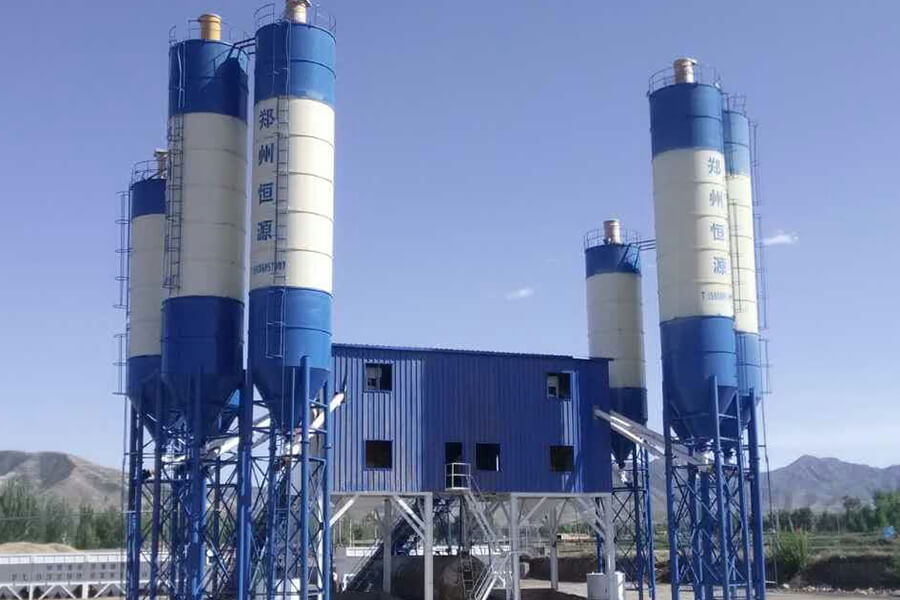
The aggregate batching system measures sand and stone before they move to the next production step. The control system can manage recipes, weighing sequence and batch records, but it cannot correct an untested mix or poorly measured aggregate moisture on its own. Operators need calibration checks and batch records to investigate a difference between the target and delivered quantities.
Match the plant to the concrete application
Different jobs specify different strength, workability, exposure and delivery requirements. A plant may store several approved recipes, but each change to materials or proportions requires the project quality procedure. For a road, bridge or building site, choose the production method and dispatch plan around the required concrete and placement schedule rather than assuming that one plant configuration fits every mix.
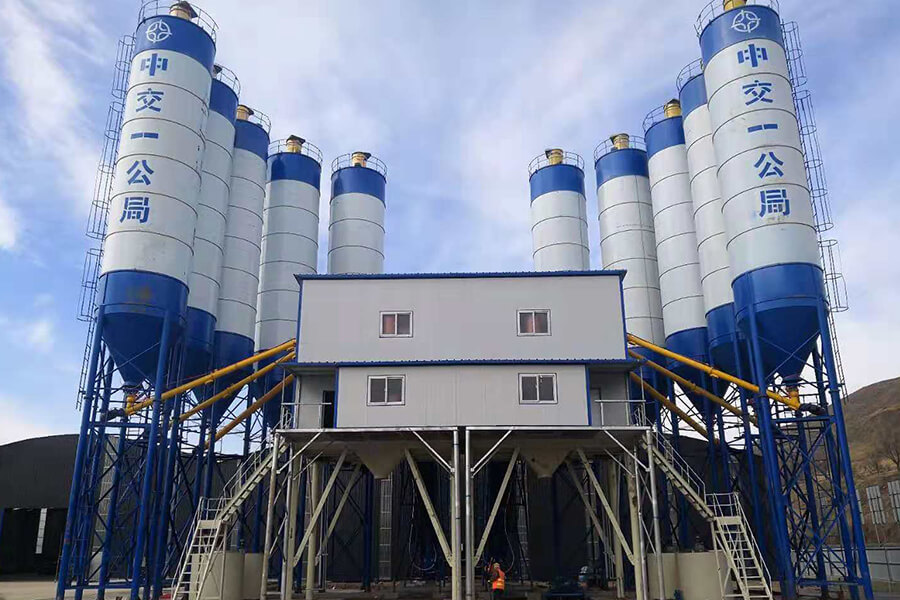
Material losses and operating costs depend on stockpile handling, moisture correction, batching errors, washout management, plant maintenance and truck scheduling. A plant does not automatically reduce waste or environmental impact. Compare the proposed dust collection, drainage, wash-water handling and power demand against the project requirements, then record actual use during operation.
Incoming material checks, separate storage, verified scales and water measurement give the quality team useful controls. They do not guarantee concrete performance by themselves. Trial batches, the specified fresh-concrete and strength tests, mixing procedure and site acceptance records determine whether the delivered concrete meets the job requirements.
Choosing a concrete batching plant for the job
Start with the approved mix, peak and normal hourly demand, working days, plant location and delivery fleet. Then compare the mixer or truck-mixing route, aggregate bins, cement storage, power, water, access and service scope. Request an itemized equipment list and layout drawing before comparing plant prices or nominal capacity.
If you would like to learn more about the parameters or prices of concrete batching plants or concrete pumps, please feel free to contact us for a free quote. Henan Hengyuan, as a professional concrete equipment manufacturer, can not only provide you with a free quote, but also design customized solutions for you.
How a Concrete Batching Plant Works
A plant receives and measures aggregates, cementitious materials, water and admixtures according to a specified mix. A central mixer combines them at the plant before discharge. In a dry-batch arrangement, the measured ingredients go into a truck mixer, where mixing is completed under the agreed procedure. Check the proposed weighing system, batch cycle, truck flow and test plan instead of treating nominal output as a measured production rate.
Main Systems in a Batching Plant
- Aggregate batching system: stores and weighs sand and stone according to the mix ratio.
- Conveying system: transfers aggregate, cement, water, and admixtures to the mixer or weighing units.
- Mixing route: central-mix plants use a plant mixer; dry-batch plants rely on a suitable truck mixer for final mixing.
- Control system: manages weighing, batching sequence, mixing time, discharge, alarms, and production records.
- Cement silo and screw conveyor: store and deliver cement or fly ash to the weighing system.
Where Concrete Batching Plants Are Used
Concrete batching plants are used in ready-mix concrete supply, road and bridge construction, housing projects, commercial buildings, precast production, rural infrastructure, industrial parks, and large engineering projects. A stationary plant is usually selected for stable long-term production, while a mobile plant is useful for temporary or remote projects that need relocation.
Why Buyers Use a Batching Plant
A plant allows the operator to batch specified proportions and keep production records. For a contractor with enough demand, on-site supply may reduce reliance on an outside supplier; the economics depend on staffing, materials and site costs. A ready-mix business must also plan dispatch and truck turnaround. Compare nominal ratings with the actual mix and schedule using the concrete batching plant capacity guide.
What to Confirm Before Choosing One
Before purchasing, confirm hourly output, daily concrete demand, aggregate type, cement storage, site size, power condition, delivery distance, mixer truck quantity, and whether the plant needs to be stationary, modular, or mobile. Buyers can also review the concrete batching machine workflow to understand how materials move through the production process.
Recorded applications on Hengyuan’s site
Hengyuan’s Pakistan HZS120 project record describes equipment supply, installation and commissioning for highway construction in Lahore in 2016. The Uzbekistan HZS60 project record describes a residential construction application in Tashkent in 2017. These records identify the model, location and application; they do not provide independently measured output or a universal configuration for another job.
What information should go into a plant inquiry?
- State the project application, approved concrete mixes, normal and peak hourly demand, and planned working hours.
- Provide the installation site dimensions, access route, aggregate types, local power and water conditions.
- Explain whether concrete will be mixed centrally or in truck mixers, how many trucks are available, and the delivery distance.
- Ask which equipment, drawings, installation work, commissioning checks, spare parts and operator support are included in the quotation.