
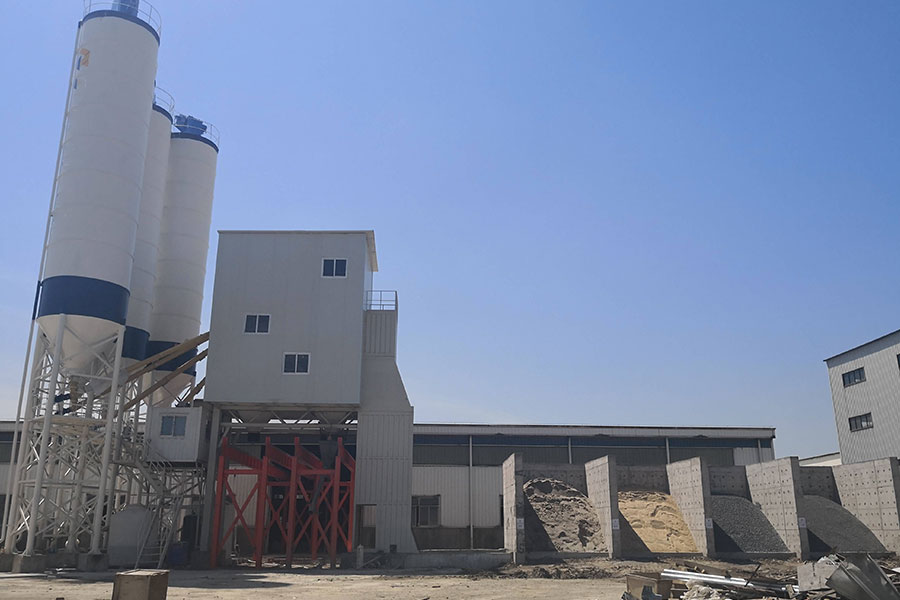
Wet-mix concrete batching plant for urban construction
A wet-mix concrete batching plant produces fully mixed concrete before discharge. Aggregates, cement, water, and admixtures are measured and mixed inside the plant mixer, then delivered by mixer truck or used directly on site. This production method is widely used in urban construction because it provides stable concrete quality, controlled mixing time, and efficient supply for building, road, bridge, and infrastructure projects.
Wet-mix vs dry-mix batching plant
In a dry-mix plant, materials are batched and loaded into a truck mixer, and final mixing happens mainly during transport. In a wet-mix plant, the central mixer completes the mixing process before discharge. Wet-mix production usually offers better uniformity, easier quality control, and more consistent concrete performance, especially when multiple concrete grades or strict project specifications are involved.
Main equipment configuration
A wet-mix batching plant normally includes aggregate bins, belt conveyor or skip hoist, cement silos, screw conveyors, water and admixture weighing systems, twin-shaft mixer, pneumatic system, control system, and discharge structure. The mixer is the core component, and its capacity should match the required hourly output, truck cycle time, and concrete type.
Advantages for urban projects
Urban projects often need stable supply, cleaner production, accurate batching, and good site organization. A wet-mix concrete batching plant can improve concrete consistency, reduce quality variation, and support automatic recipe management. With dust collectors, enclosed conveyors, water recycling, and reasonable traffic layout, the plant can also reduce dust, noise, and material waste.
Buyer checklist
Before ordering, confirm the target output, concrete grades, aggregate size, site area, truck access, cement supply method, power supply, environmental requirements, and whether the plant will serve one project or long-term commercial concrete supply. Also check control system language, spare parts, foundation drawings, installation support, and after-sales service.
Henan Hengyuan provides wet-mix batching plant solutions for urban construction, commercial concrete supply, road projects, bridges, and industrial projects. Share your capacity requirement and site layout so engineers can recommend a suitable configuration.
Wet-mix plant operation and quality control
Quality control in a wet-mix plant starts with accurate weighing. Aggregates, powder materials, water, and admixtures should be measured according to the selected recipe. The control system should record each batch so the operator can review material consumption and correct abnormal weighing values quickly.
Mixing time must be matched to the concrete type. Insufficient mixing can cause uneven strength and poor workability, while excessive mixing may reduce efficiency and increase wear. The plant should also manage truck dispatch carefully so mixed concrete does not wait too long before delivery.
Common wet-mix plant configurations
Small wet-mix plants may use compact aggregate bins and a smaller twin-shaft mixer for local construction projects. Medium plants are suitable for road work, building projects, and regional concrete supply. Large commercial plants usually need larger aggregate storage, multiple cement silos, strong belt conveying, high-efficiency mixers, and a traffic layout that supports several mixer trucks.
For overseas buyers, transport and installation planning are also important. Confirm container loading, foundation drawings, electrical standard, spare parts, installation engineer support, and local training before shipment. A well-planned wet-mix plant can start production faster and reduce commissioning problems on site.
Wet-mix batching plant cost factors
The cost of a wet-mix batching plant depends on capacity, mixer model, aggregate storage, cement silo quantity, control system, environmental configuration, steel structure, shipping distance, and installation support. A low quotation may exclude important items such as silos, screw conveyors, dust collectors, spare parts, foundation drawings, or commissioning guidance.
Buyers should compare complete configuration lists instead of only model names. For urban concrete supply, stable operation, easy maintenance, and environmental control usually create more long-term value than choosing the lowest initial price.
Wet-mix plant operation review
After commissioning, wet-mix plant operators should review batching accuracy, mixer wear, truck waiting time, and concrete feedback from the jobsite. These reviews help adjust production rhythm and keep concrete quality stable during long-term urban supply.
Wet-mix plant inquiry details
For a wet-mix plant inquiry, provide the target capacity, concrete grades, site layout, truck quantity, environmental requirements, and power supply. These details help engineers recommend mixer size, aggregate storage, silo quantity, and control system options.