
Types of concrete for construction
Concrete is used in almost every kind of construction, but not all concrete is the same. Different projects require different strength, workability, durability, weight, setting time, and placement methods. Understanding common types of concrete helps contractors choose suitable batching, mixing, transporting, and pumping solutions.
Ordinary and reinforced concrete
Ordinary concrete is made from cement, aggregate, water, and sometimes admixtures. It is commonly used for pavements, floors, foundations, and general building work where special performance is not required. Reinforced concrete combines concrete with steel bars or mesh, allowing the structure to resist both compression and tension. It is widely used in beams, columns, slabs, bridges, and retaining structures.
Ready-mix, pumped, and precast concrete
Ready-mix concrete is produced in a batching plant and delivered to the site by mixer truck. It is suitable for projects that need stable quality and continuous supply. Pumped concrete is designed to flow through pipelines without segregation or blockage. It requires proper slump, aggregate gradation, cementitious materials, and admixture control.
Precast concrete is produced in a factory or precast yard and then transported to the construction site. It is used for components such as beams, panels, pipes, blocks, piles, and slabs. Precast production usually requires accurate batching, strong mixing, and consistent curing conditions.
High-strength, lightweight, and self-compacting concrete
High-strength concrete is used when structures need higher load capacity, smaller sections, or better durability. Lightweight concrete reduces structural weight and is useful for certain building panels, insulation layers, and special engineering needs. Self-compacting concrete can flow and fill formwork under its own weight, reducing vibration work and improving placement in complex reinforcement areas.
How equipment selection changes by concrete type
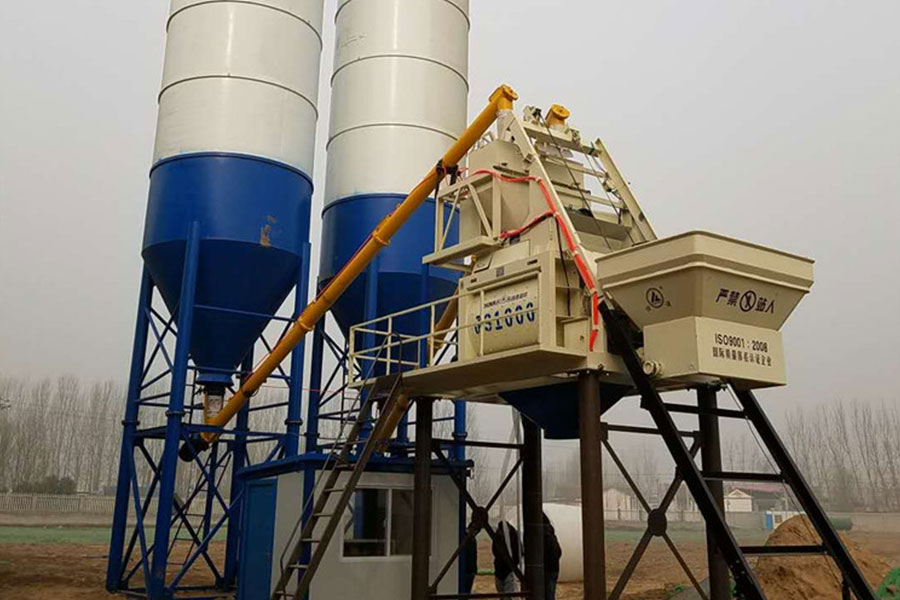
Concrete type affects batching plant and concrete pump selection. A ready-mix supplier may need larger aggregate storage, multiple cement silos, automatic recipe management, and high-capacity mixers. Pumped concrete projects need a pump model, pipeline plan, and mix design that work together. Precast plants may focus more on mixing uniformity, fast cycle time, and accurate admixture dosing.
Before ordering equipment, confirm the concrete types you will produce, required grade, slump range, aggregate size, daily output, delivery distance, and placement method. Henan Hengyuan can configure batching plants, mixers, and pumping equipment according to these concrete production requirements.
Questions to ask before selecting a concrete type
The right concrete type depends on how the concrete will be used. Is the structure load-bearing or non-structural? Will the concrete be pumped, poured directly, or precast in a factory? Does the project require fast strength, low heat, low weight, waterproofing, or high durability? These answers affect the mix design and the equipment needed for production.
Contractors should also confirm the local material situation. Aggregate shape, sand quality, cement type, admixture availability, climate, and delivery distance can all influence the final concrete performance. A mix that works well in one region may need adjustment in another region.
For equipment planning, list the main concrete types the project expects to produce during the next several years. This helps choose the correct batching plant capacity, mixer model, silo number, admixture system, and concrete pump configuration instead of buying equipment that only fits one temporary job.
Concrete type and pumping equipment
Not every concrete type is equally easy to pump. Pumped concrete needs suitable slump, aggregate gradation, paste volume, and admixture control so it can move through the pipeline without blockage. Lightweight concrete, high-strength concrete, and self-compacting concrete may require special attention to mix design and pumping pressure.
When selecting concrete equipment, contractors should consider the plant and pump together. The batching plant must produce consistent concrete, while the pump must match delivery distance, height, pipe diameter, and placement speed. Coordinating these choices helps improve construction efficiency and reduce on-site problems.
Equipment planning summary
Because different concrete types require different production and placement conditions, equipment planning should start from the concrete application. Confirming concrete type early helps choose batching plant capacity, mixer type, pump model, and quality-control method more accurately.