
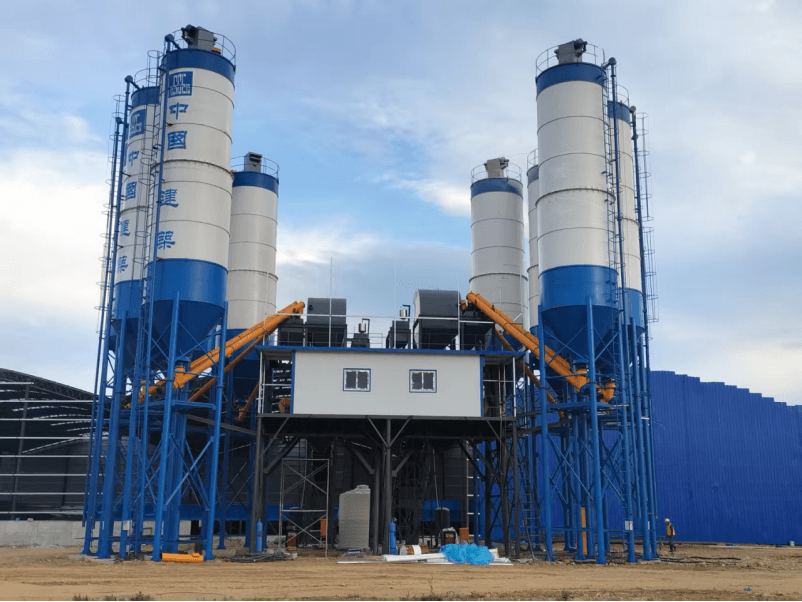
September 16, 2026 – Ready-mix producers, contractors, and concrete equipment buyers are looking more closely at the concrete batching plant compressed air system before a plant is installed, relocated, or upgraded. The topic is practical rather than decorative: pneumatic gates, butterfly valves, silo aeration, dust collector pulse cleaning, and some auxiliary devices depend on stable air supply.
This article is an original industry analysis for concrete producers, plant managers, contractors, and construction machinery buyers. It does not cite specific third-party company announcements, customer cases, laws, prices, project awards, or market statistics. The focus is compressed air planning for batching plants, including compressor sizing, air line routing, pneumatic valve response, moisture control, maintenance access, winter operation, and commissioning checks.
Air supply is becoming a design discussion
Concrete batching plant selection often starts with output capacity, mixer model, aggregate bin volume, cement silo arrangement, weighing accuracy, control system, footprint, and delivery schedule. Those specifications remain important, but more buyers are also asking how compressed air will be supplied, dried, distributed, protected, and maintained after commissioning.
For a stationary concrete batching plant, air planning may involve a dedicated compressor room, fixed air lines, drainage points, filters, dryers, and convenient access for inspection. For a mobile concrete batching plant, the same planning may need a more compact layout, quick connection points, protected hoses, and clear checks before each relocation.
Pneumatic response affects batching rhythm
Pneumatic response affects how consistently aggregate gates, cement valves, fly ash valves, discharge doors, and other actuated points open and close. If air pressure is unstable or moisture is not controlled, operators may see slower movement, inconsistent response, repeated alarms, or more frequent cleaning and adjustment around the plant.
These issues may appear small during commissioning but become more visible during busy production periods. A plant that makes many batches per shift relies on repeated, predictable actions. When pneumatic components respond cleanly, operators can keep closer control over weighing, discharge timing, truck loading, mixer feeding, and cleaning routines.
Compressor sizing should match real demand
Compressor selection should account for the number of pneumatic devices, operating sequence, required pressure range, air storage volume, pipe length, leakage allowance, maintenance access, and local working environment. Oversimplifying the air system can create avoidable stops later, especially when a plant expands or adds more auxiliary equipment.
Plant buyers do not need to overbuild every system, but they should ask whether the compressor and air tank are suitable for the selected plant configuration. They should also confirm whether service space, ventilation, noise management, drainage, and electrical supply have been considered before the equipment arrives on site.
Moisture control protects valves and instruments
Compressed air often carries moisture if the system is not designed and maintained carefully. Filters, dryers, drains, proper pipe slopes, and regular inspection can help protect valves, cylinders, solenoids, pressure switches, and dust collector pulse systems. This is especially important in cold, humid, dusty, or high-use environments.
Moisture control is also a maintenance planning issue. Operators should know where water can collect, which drain points need checking, how often filters should be inspected, and what symptoms may indicate poor air quality. Simple routines can prevent small problems from spreading across multiple pneumatic components.
Cement silo and dust collector systems need attention
Cement silos, screw conveyors, dust collectors, and powder weighing systems can depend on clean and stable air. Silo aeration may help material flow, while dust collector pulse cleaning needs reliable air pressure to work as intended. If air lines are poorly protected or hard to access, maintenance becomes slower and less consistent.
During layout review, buyers can ask how the air supply reaches the silo top, powder weighing area, aggregate gates, mixer discharge area, and dust collection points. They can also ask whether valves and fittings are placed where technicians can safely inspect them without interrupting other plant work.
Mobile plants need quick but careful setup
A mobile plant is often selected for fast installation and relocation, but the compressed air system still needs a careful setup routine. Before production starts, operators should confirm compressor placement, electrical connection, air pressure, hose routing, fitting tightness, drain status, and actuator response. These checks are quick, but skipping them can slow the first production shift.
Temporary jobsites can also expose air lines to vehicle traffic, mud, water, temperature change, and limited service space. A practical mobile plant plan should define how hoses are protected, where the compressor is positioned, how operators confirm normal pressure, and who records air system issues after relocation.
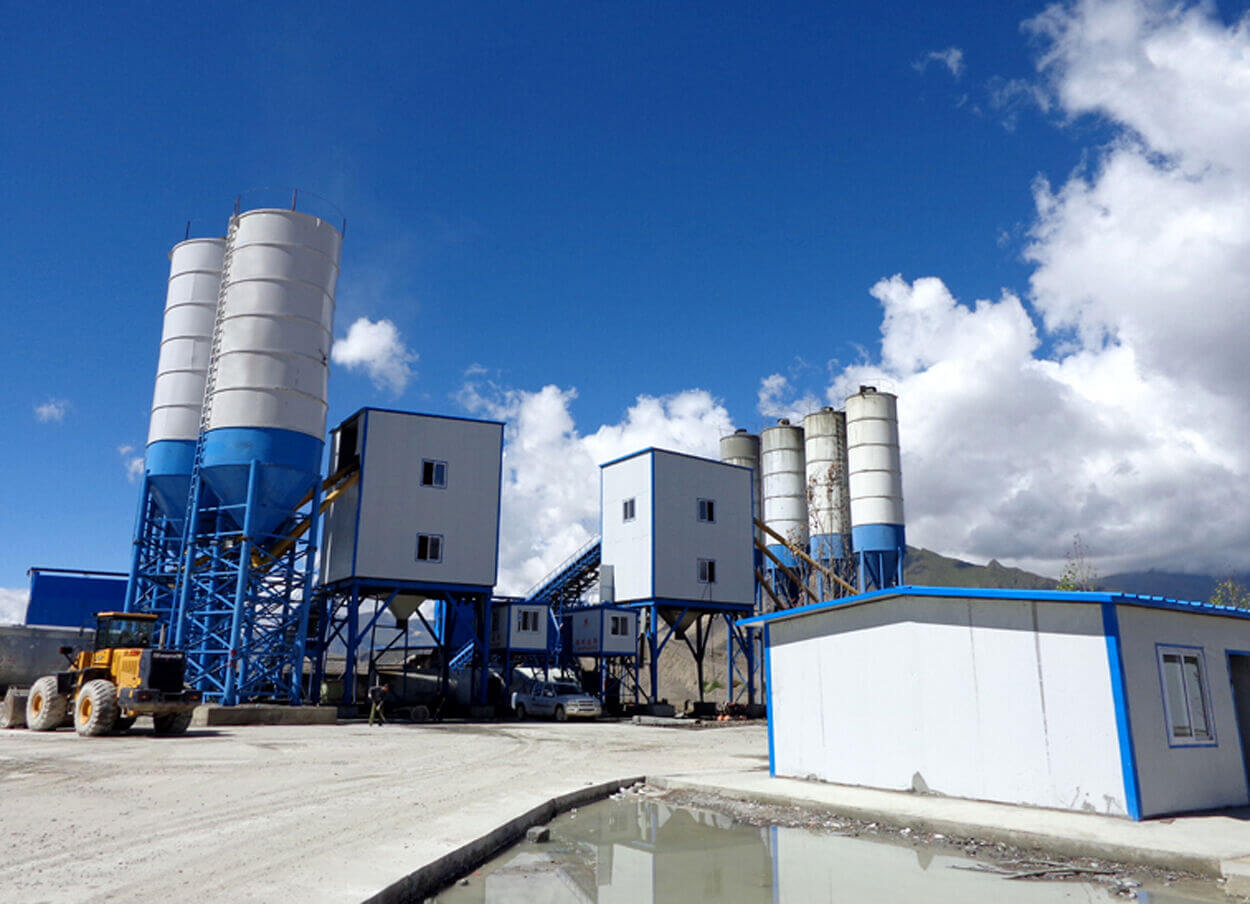
What buyers should ask before installation
- Which plant functions depend on compressed air, including aggregate gates, powder valves, dust collector pulse cleaning, silo aeration, and discharge devices?
- Is the compressor sized for the selected plant configuration, expected sequence, pipe length, air storage, and reasonable leakage allowance?
- Where will filters, dryers, regulators, gauges, drains, and shutoff valves be installed?
- Can technicians safely access pneumatic valves, cylinders, solenoids, hoses, and fittings for inspection?
- How will moisture be managed in humid, cold, dusty, or high-use environments?
- What start-up checks should operators complete after installation, relocation, or a long shutdown?
- Does the supplier provide air system diagrams, operating guidance, recommended maintenance intervals, and spare parts suggestions?
Preventive maintenance should include the air system
Preventive maintenance plans often focus on the concrete mixer, conveyor belts, weighing systems, cement screws, water pumps, admixture pumps, and control cabinets. The compressed air system deserves the same discipline. Operators should record pressure changes, drain checks, filter condition, leaks, actuator response, and repeated alarms.
Spare parts planning can include common fittings, hoses, filter elements, solenoid valves, pressure switches, seals, and selected pneumatic cylinders. The correct list depends on plant configuration and working environment. hengyuan Concrete Machines can discuss these details with buyers who are comparing batching plant layouts, compressor options, and maintenance plans for permanent yards or project sites.
FAQ
Why does compressed air matter in a concrete batching plant?
Compressed air can support pneumatic gates, valves, cylinders, silo aeration, and dust collector pulse cleaning. Stable air supply helps these devices respond consistently during batching.
What causes pneumatic problems in batching plants?
Common causes include undersized compressors, pressure loss, leaks, moisture in air lines, blocked filters, poor drainage, worn fittings, damaged hoses, or components that are difficult to inspect.
Should mobile concrete batching plants use a different air plan?
Mobile plants need the same basic air quality and pressure control, but the layout should also support fast setup, protected hose routing, compact access, and checks after each relocation.
What should operators check daily?
Daily checks can include compressor status, pressure readings, drain points, filter condition, visible leaks, hose protection, actuator response, and any repeated pneumatic alarms in the control system.
Conclusion
Compressed air planning is moving earlier in concrete batching plant design because pneumatic reliability supports daily production rhythm. A useful plan connects compressor sizing, air line routing, moisture control, valve response, silo and dust collector needs, maintenance access, mobile setup checks, and spare parts planning. Buyers can review the product center, compare plant options, or contact hengyuan Concrete Machines to discuss equipment configuration and compressed air readiness for upcoming concrete production projects.