
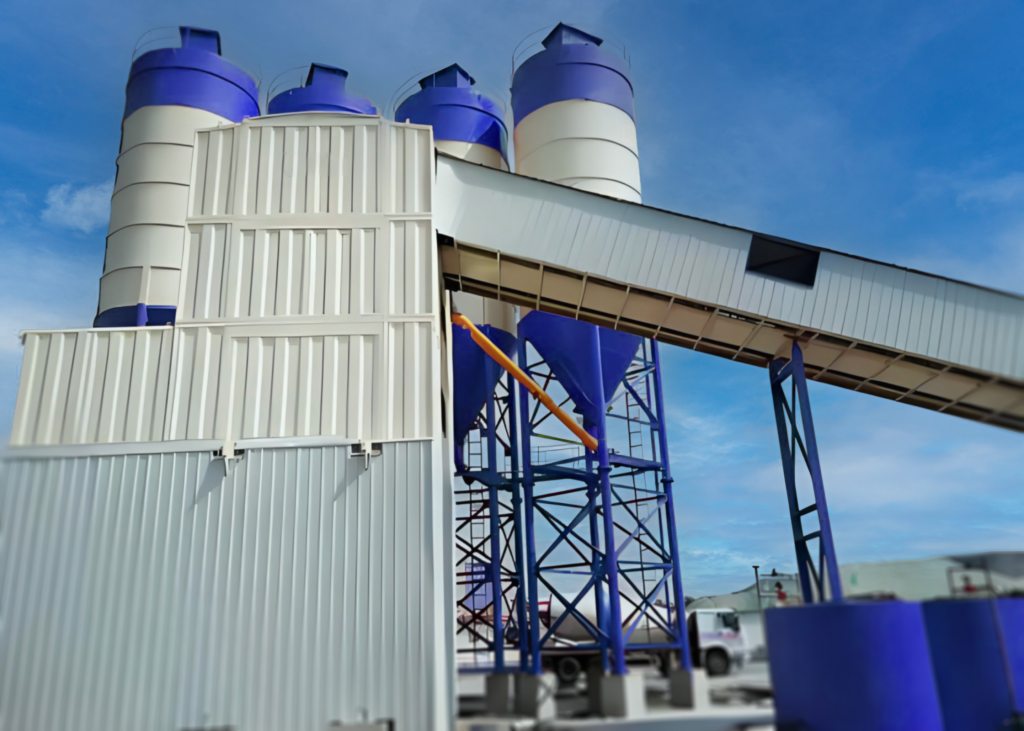
September 10, 2026 – Concrete batching plant buyers, ready-mix producers, and project contractors are moving cold-weather concrete batching plant maintenance into earlier project planning. The discussion is practical: water line protection, aggregate handling, mixer access, cabinet ventilation, spare parts, conveyor checks, and operator inspection routines all affect whether a plant can keep a stable production rhythm when temperatures fall.
This article is an original industry analysis for concrete producers, contractors, plant managers, and construction equipment buyers. It does not rely on specific third-party company announcements, customer cases, price data, regulations, or project claims. The focus is winter maintenance planning for batching plant water systems, aggregate feed routes, mixer service access, electrical cabinets, spare parts, and concrete supply reliability.
Why winter planning belongs before the first cold front
A stationary concrete batching plant or mobile project plant is often compared by output capacity, aggregate bin volume, mixer model, cement silo arrangement, weighing accuracy, and truck loading flow. Those specifications remain important, but cold-weather performance also depends on how easily operators can protect water lines, inspect conveyors, reach the mixer platform, clean aggregate buildup, and keep electrical cabinets dry and ventilated.
Early planning helps avoid treating winter service needs as a late seasonal checklist. Plant teams can review insulated pipe routes, drainage points, washout areas, covered aggregate storage, belt scraper access, mixer cleaning space, cabinet ventilation, and emergency spare parts before cold weather creates production pressure. This is especially useful where a compact plant must fit into a tight yard or a project plant must start quickly after installation.
Water and admixture systems need clear protection paths
Water metering, washout, moisture adjustment, admixture dosing, and mixer cleaning can all become more difficult when exposed piping, valves, hoses, and tanks are not arranged for inspection. Cold-weather planning should identify which lines need insulation, which areas need drainage, and which parts must remain reachable during daily checks. The goal is not to add unnecessary complexity, but to make protection and maintenance visible.
Admixture dosing systems also deserve attention because small flow interruptions can affect batching consistency. Buyers can discuss tank location, pump access, hose routing, filter cleaning, spare dosing parts, and control room alarms with the plant supplier. Clear access makes it easier for maintenance teams to confirm whether a dosing issue is caused by temperature, blockage, wiring, calibration, or routine wear.
Aggregate handling changes when material is wet or cold
Aggregate bins, stockpile feed routes, belt conveyors, transfer points, and weighing hoppers can face different conditions in winter. Wet aggregate, frozen clumps, and inconsistent feed flow can slow loading, increase cleaning work, or create weighing delays. The layout should allow operators to inspect belt tension, rollers, scrapers, discharge points, bin walls, and scale areas without reaching through crowded structures.
Covered storage, drainage planning, stockpile management, and practical conveyor access can reduce avoidable interruptions. These details should be considered with the plant footprint, not only after equipment is placed. A mobile or compact plant may need a different approach from a permanent ready-mix yard, but both benefit from clear aggregate flow and easy cleaning access.
Mixer service access remains central to winter readiness
The concrete mixer connects aggregate, cement, water, admixture, discharge, and cleaning routines. In cold conditions, mixer access should support blade and liner inspection, discharge gate checks, lubrication points, washout control, and safe cleaning procedures. If platforms, stairs, covers, and service openings are difficult to reach, small issues can turn into longer stoppages.
Maintenance records should connect control room alarms with physical checks. Batch count, mixer timing, water values, admixture signals, motor current, and discharge status are more useful when technicians can quickly inspect the related equipment. A practical winter plan links digital records with clear field access.
Electrical cabinets still need ventilation and dry access
Cold weather does not remove the need for cabinet ventilation and clean electrical access. Control cabinets may support weighing, conveying, mixing, water metering, admixture dosing, alarms, and production records. If vents are blocked, condensation is ignored, cable entries are poorly protected, or cabinets are hard to inspect, troubleshooting can become slower during the season when downtime is already more costly.
Plant teams can review cabinet location, heater or ventilation requirements where appropriate, cable entry sealing, spare filters, terminal inspection, sensor wiring, and control room alarm visibility. These are ordinary maintenance details, but they become more important when operators need quick answers during cold starts, wet aggregate handling, or extended production shifts.
Mobile and permanent plants need different routines
A mobile concrete batching plant may prioritize fast setup, protected plug connections, compact pipe routing, removable covers, and inspection routines that travel with the equipment. A permanent ready-mix yard may need more durable pipe insulation, better drainage, larger spare parts storage, covered aggregate handling, and more formal seasonal maintenance records.
Both plant types should match the winter routine to the actual site. Climate, production hours, aggregate moisture, local service availability, concrete delivery distance, and project schedule all influence the checklist. A useful plan is specific enough for operators to follow and simple enough to repeat every day.
Stable batching supports concrete pump supply
When a batching plant supplies a concrete pump, stable production rhythm matters. Water line interruptions, aggregate feed delays, mixer cleaning issues, sensor faults, or difficult winter service access can disrupt dispatch timing and pumping continuity. Winter maintenance planning cannot solve every jobsite delay, but it can reduce avoidable plant-side uncertainty.
For pump-fed projects, teams can review batching rate, mixer discharge timing, truck loading clearance, water protection, admixture dosing, control room alarms, spare parts, service access, and communication between the plant and placement crew. The goal is a predictable process from aggregate feeding to weighing, mixing, discharge, transport, and pumping.
Practical checklist for plant teams
- Review water tanks, pumps, valves, meters, hoses, and exposed pipe routes before cold-weather production begins.
- Plan drainage, washout areas, insulated lines, and accessible shutoff points so protection checks are easy to repeat.
- Inspect aggregate bins, belt conveyors, transfer points, scrapers, rollers, and weighing hoppers for wet or frozen material buildup.
- Keep mixer platforms, covers, lubrication points, discharge gates, and cleaning access clear enough for routine service.
- Check control cabinet vents, cable entries, sensor wiring, terminals, condensation risk, and alarm records during seasonal inspections.
- Stock practical spares such as filters, belts, scrapers, sensors, dosing parts, valve parts, pipe insulation, protected connectors, and basic electrical components according to the plant configuration.
- Coordinate winter checks with truck loading, dispatch timing, concrete pump supply, and daily operator handover notes.
FAQ
Why should cold-weather maintenance be planned before winter production?
Early planning gives teams time to review water protection, aggregate flow, mixer access, cabinet ventilation, drainage, spare parts, and inspection routines before production pressure makes changes harder.
Which batching plant systems need the most winter attention?
Common focus areas include water metering, admixture dosing, aggregate feeding, conveyors, mixer cleaning, control cabinets, sensor wiring, discharge equipment, and truck loading areas.
Does this apply to mobile concrete batching plants?
Yes. Mobile plants may need compact pipe routing, protected plug connections, removable covers, transport-ready inspection routines, and service access that supports relocation as well as daily operation.
What should buyers prepare before discussing winter readiness?
Useful details include plant type, expected output, site footprint, climate, aggregate storage plan, water source, mixer model, dosing needs, silo arrangement, pump supply plans, production hours, and maintenance access limits.
Conclusion
Cold-weather maintenance planning is gaining attention because concrete production reliability depends on more than rated plant capacity. A practical review connects water protection, aggregate handling, mixer access, cabinet ventilation, spare parts, batching records, truck loading, and concrete pump coordination. Buyers can review the product center or contact hengyuan Concrete Machines with project details to discuss batching plant configuration and winter maintenance planning.