
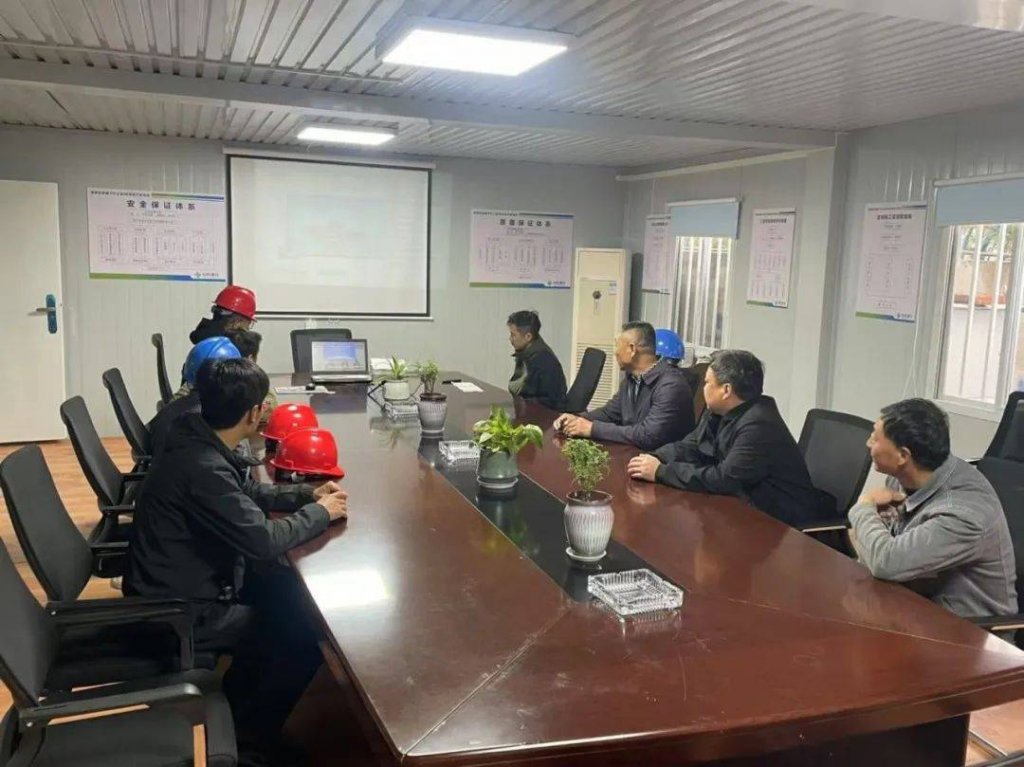
September 15, 2026 – Ready-mix producers, contractors, and equipment planners are giving more attention to concrete batching plant operator training before a plant is installed or upgraded. The discussion is practical: batching equipment can only perform consistently when operators understand the plant layout, control system, material flow, inspection points, and shift handover routine.
This article is an original industry analysis for concrete producers, contractors, plant managers, and construction machinery buyers. It does not cite specific third-party company announcements, customer cases, laws, prices, project awards, or market statistics. The focus is practical training readiness for batching plants, including control room operation, aggregate feeding, weighing checks, mixer inspection, cement silo routines, admixture dosing, truck loading, daily maintenance, and concrete pump supply coordination.
Training is becoming part of plant planning
Concrete batching plant selection often starts with output capacity, mixer model, aggregate bin volume, cement silo arrangement, weighing accuracy, automation level, installation footprint, and delivery schedule. Those specifications remain important, but more buyers are also asking how quickly operators can learn the full working sequence after commissioning.
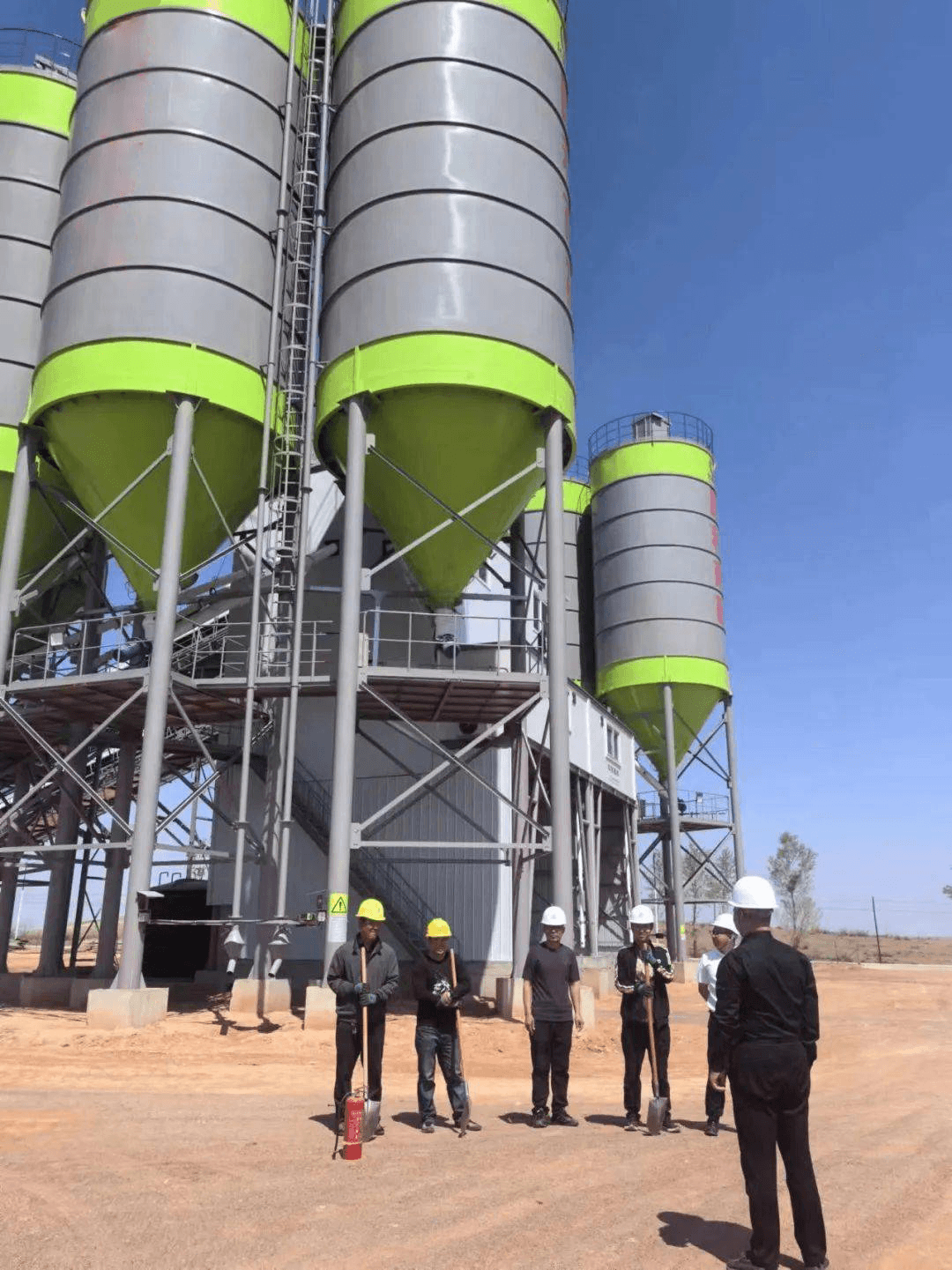
For a stationary concrete batching plant, training may cover control room operation, aggregate stockpile management, cement delivery checks, mixer cleaning, truck loading rhythm, safety interlocks, and preventive maintenance records. For a mobile concrete batching plant, the same training may also include relocation checks, fast setup review, temporary power coordination, compact access points, and site-specific traffic flow.
Shift handover affects production stability
Shift handover is one of the simplest routines to overlook. A plant may run well during one shift, then slow down when the next operator team starts without clear notes on material moisture, open maintenance items, alarm history, truck queue status, pump supply requirements, or mixer cleaning condition. A structured handover can reduce confusion at the moment when production pressure is already high.
A practical handover does not need to be long. It should tell the incoming team what mix designs were produced, whether aggregate moisture settings changed, which bins or silos need attention, whether any alarms were cleared, whether the mixer was cleaned, whether trucks or concrete pumps are waiting, and which maintenance checks still need follow-up.
Control room training should match field checks
The control room gives operators visibility into weighing values, batch timing, motor status, water and admixture input, mixer operation, discharge sequence, production records, and alarm messages. Training should connect those screen values with physical equipment checks. When an alarm appears, operators should know which conveyor, gate, scale, valve, pump, sensor, or cabinet area to inspect.
This connection is especially important for weighing and moisture control. Operators need to understand how aggregate feeding, moisture variation, cement weighing, water metering, and admixture dosing affect each batch. A clear training program can help the team respond to alarms and process changes without relying only on trial and error.
The mixer needs a repeatable start-up routine
The concrete mixer remains one of the most important training points in any batching plant. Operators should know how to confirm mixer readiness before production starts, including discharge gate movement, wash water availability, platform cleanliness, liner and blade condition, lubrication status, safety guards, and signs of material buildup.
A repeatable start-up routine helps the team avoid rushing into production before basic checks are complete. It also supports better communication between control room staff, loader operators, maintenance technicians, mixer truck drivers, and concrete pump crews. The goal is to make the correct action the easy action at the beginning of each shift.
Material handling training reduces avoidable stops
Aggregate bins, conveyors, belt scrapers, transfer points, weighing hoppers, cement silos, screw conveyors, water pumps, and admixture dosing units all need operator attention. Training should explain what normal operation looks and sounds like, where spillage or buildup commonly appears, how to report abnormal vibration or flow interruption, and when production should pause for inspection.
These routines are useful for both new operators and experienced teams moving to a different plant configuration. A team that knows the route of material through the plant can find bottlenecks faster, keep housekeeping more consistent, and protect weighing accuracy during busy production windows.
Concrete pump supply needs clear communication
When a batching plant supplies a concrete pump, operator training becomes part of the wider placement workflow. Pump supply depends on mix timing, truck dispatch, loading clearance, communication between crews, and quick response when the plant or jobsite changes pace. A weak handover can affect pump continuity even if the equipment itself is in good condition.
Plant managers can define who communicates with pump crews, who confirms truck sequence, who updates the control room, and who records delays. Training should make these responsibilities clear before the plant is under pressure. This is especially useful for infrastructure projects, urban jobsites, and remote locations where schedule changes can move quickly.
What buyers should ask before commissioning
- Which operators will be trained on control room operation, material feeding, mixer checks, cleaning, alarms, and batch records?
- Does the shift handover format cover mix designs, moisture adjustments, silo levels, alarm history, maintenance notes, truck queues, and concrete pump supply?
- Can operators connect control screen alarms with physical inspection points around the plant?
- Is there a start-up checklist for mixer readiness, aggregate feeding, cement transfer, water metering, admixture dosing, and discharge gate operation?
- Who records production issues, maintenance follow-up, spare parts needs, and operator observations?
- How will new team members be trained when the plant moves, expands, or changes production schedule?
- Does the supplier provide operating guidance, documentation, troubleshooting support, and recommended maintenance intervals for the selected configuration?
Documentation keeps training from fading
Training is most useful when it is supported by simple documentation. Operators need clear references for start-up checks, shutdown checks, mixer cleaning, emergency stop locations, lubrication intervals, alarm response, spare parts records, and daily handover notes. The format can be paper-based or digital, but it should be easy to update and easy to read during a busy shift.
Equipment support also matters. Buyers can ask suppliers about operator instruction, wiring documentation, component manuals, preventive maintenance schedules, troubleshooting guidance, and spare parts planning. hengyuan Concrete Machines can discuss these details with buyers who are comparing batching plant configurations for permanent yards, project sites, or mobile concrete production operations.
FAQ
Why is operator training important for concrete batching plants?
Operator training helps teams understand the plant sequence, control system, material flow, inspection points, alarms, cleaning routine, and maintenance records. This supports more consistent daily production.
What should a batching plant shift handover include?
A handover should include production status, mix design notes, aggregate moisture changes, silo levels, alarm history, maintenance follow-up, mixer cleaning status, truck queue notes, and concrete pump supply requirements.
Which plant areas should operators learn first?
Operators should learn the control room, aggregate feeding system, weighing hoppers, cement transfer system, water and admixture dosing, mixer platform, discharge area, emergency stops, and truck loading route.
Is training different for mobile concrete batching plants?
Mobile plant training should include the same production and safety routines as a stationary plant, plus relocation checks, compact service access, temporary utility connections, and site-specific traffic planning.
Conclusion
Operator training and shift handover planning are gaining attention because concrete plant reliability depends on both equipment configuration and daily operating discipline. A useful plan connects control room operation, mixer inspection, aggregate handling, cement transfer, water and admixture checks, truck loading, maintenance records, and concrete pump coordination. Buyers can review the product center, compare plant options, or contact hengyuan Concrete Machines to discuss equipment configuration and training readiness for upcoming concrete production projects.