
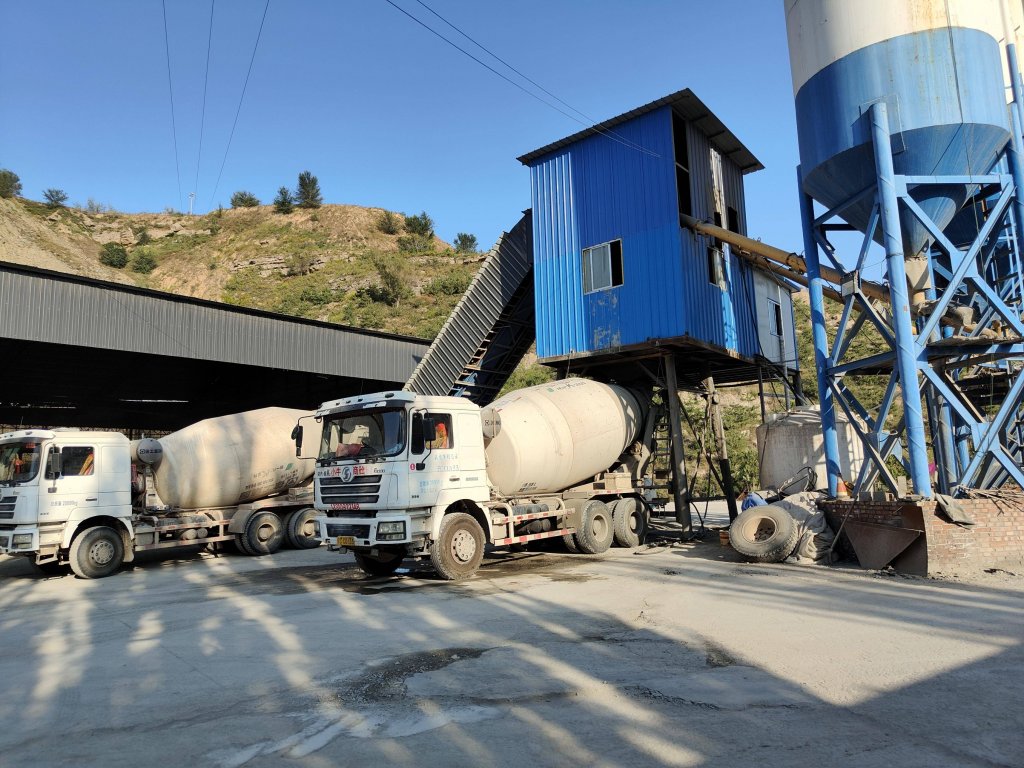
September 14, 2026 – Concrete batching plant buyers, ready-mix producers, and contractors are giving more attention to concrete batching plant service access planning. The discussion is practical: a plant that is easy to inspect, clean, lubricate, and service can help operators keep production more predictable, while a crowded layout can turn routine maintenance into avoidable downtime.
This article is an original industry analysis for concrete producers, contractors, equipment planners, and construction machinery buyers. It does not cite specific third-party company announcements, customer cases, laws, prices, project awards, or market statistics. The focus is practical maintenance readiness for batching plants, including mixer platforms, aggregate conveyors, cement silos, weighing hoppers, water systems, admixture dosing units, control cabinets, truck loading areas, and concrete pump supply coordination.
Maintenance access is moving into early layout talks
Concrete batching plant selection often starts with capacity, mixer type, aggregate bin volume, cement silo arrangement, weighing accuracy, automation level, and installation footprint. Those specifications remain central, but project teams are also asking how operators will move around the plant after installation. Access to inspection covers, lubrication points, belt scrapers, mixer platforms, control cabinets, and discharge areas can influence daily uptime as much as headline output capacity.
For a stationary concrete batching plant, service planning may include permanent stairs, platforms, lighting, drainage, cable routing, washout points, silo discharge access, and room for maintenance tools. For a mobile concrete batching plant, the discussion may focus on compact access, quick daily checks, protected wiring, transport-ready components, and cleaning routines that still work after relocation.
Cleaning routes should be designed, not improvised
Cleaning is sometimes treated as an operating detail to solve later, but plant layout can make the job easier or harder from the first day. Operators need clear routes for removing spilled aggregate, cement dust, hardened material, and wash water. If cleaning access is narrow, poorly lit, or blocked by equipment, housekeeping becomes slower and small problems can spread into weighing accuracy, belt tracking, gate movement, mixer discharge, and truck loading.
A practical cleaning plan should connect aggregate bins, belts, transfer points, weighing hoppers, mixer access, discharge gates, water supply, drainage, and safe movement around the plant. The goal is not to add complexity. The goal is to make daily cleaning repeatable, visible, and realistic for the team that will operate the equipment.
The mixer remains the most important service point
The concrete mixer is where inspection and cleaning planning becomes most visible. Operators need safe access to the mixer platform, inspection openings, lubrication points, shaft seals, discharge gate, liner area, and washout route. If the mixer is difficult to reach, routine inspection can be delayed, and delayed inspection can make wear, leakage, buildup, and discharge problems harder to manage.
Maintenance planning should also consider how operators confirm that the mixer is ready before production starts. Blade condition, liner wear, discharge gate movement, wash water availability, platform cleanliness, and guard condition are basic checks, but they are only useful when the plant layout gives operators enough space and visibility to perform them properly.
Conveyors and hoppers need inspection space
Aggregate conveyors, transfer points, rollers, belt scrapers, aggregate gates, weighing hoppers, and charging routes deserve the same attention. These components handle constant material movement, so dust, spillage, belt misalignment, stuck aggregate, and buildup can appear gradually. Inspection space makes it easier to find small issues before they affect weighing accuracy or material flow.
Buyers can review belt width, conveyor angle, support structure, scraper position, emergency stop locations, access walkways, and areas where spilled material is likely to collect. These details may look secondary during quotation, but they can shape the daily experience of the operating team.
Cement and admixture systems also need routine attention
Cement silos, screw conveyors, dust collectors, weighing systems, water pumps, and admixture dosing units also need service access. Operators may need to inspect filters, valves, hoses, sensors, screw conveyor covers, scale components, dosing lines, and calibration points. A plant layout that leaves room for these checks can support better maintenance records and faster troubleshooting.
Control cabinet placement should also be reviewed early. Cabinets should be protected from unnecessary exposure, reachable for inspection, and arranged with readable labels, ventilation paths, and enough working space for technicians. Good electrical access reduces confusion when operators need to check alarms, sensors, interlocks, and production records.
Concrete pump supply adds pressure to housekeeping
When a batching plant supplies a concrete pump, cleaning and maintenance discipline becomes more time-sensitive. Plant-side delays can affect truck spacing, pump continuity, crew coordination, and placement rhythm. A clean discharge area, predictable truck loading route, and clear communication routine can help the batching plant support the wider placement process.
Plant managers can review mixer discharge timing, truck loading clearance, washout area, road surface condition, pump crew updates, and emergency contact routines. The most useful plan connects batching equipment with the full concrete delivery workflow, rather than treating maintenance as an isolated workshop task.
What buyers should ask before ordering equipment
- Can operators safely reach the mixer platform, discharge gate, inspection openings, lubrication points, and washout route?
- Where will spilled aggregate, cement dust, hardened material, and wash water be removed during daily cleaning?
- Are aggregate conveyors, transfer points, belt scrapers, rollers, gates, and weighing hoppers easy to inspect?
- How will technicians access cement silo discharge equipment, screw conveyors, dust collectors, filters, water pumps, and admixture dosing units?
- Is the control cabinet protected, ventilated, labeled, and reachable for electrical inspection?
- How will truck loading, washout, and concrete pump supply coordination work during busy production hours?
- Which spare parts, wear parts, belts, seals, valves, filters, sensors, and electrical components should be stocked for the selected plant configuration?
A simple checklist can improve daily consistency
Maintenance planning does not need to be complicated to be useful. A concise checklist can define who checks the mixer, who reviews conveyor condition, who confirms cement and admixture systems, who cleans discharge areas, who records problems, and who approves production start. The checklist should match the actual plant layout and the experience level of the operating team.
Service support also matters. Buyers can ask equipment suppliers about spare parts planning, operator training, wiring documentation, preventive maintenance schedules, and remote troubleshooting expectations. hengyuan Concrete Machines can discuss these details with buyers who are comparing batching plant configurations for permanent yards, infrastructure projects, or mobile concrete production sites.
FAQ
Why is service access important for concrete batching plants?
Service access helps operators inspect, clean, lubricate, and troubleshoot key plant components without unnecessary delay. It supports safer daily routines and more predictable production.
Should cleaning routes be planned before installation?
Yes. Cleaning routes affect aggregate spillage, cement dust control, mixer washout, drainage, truck loading, and general housekeeping. Planning them early can prevent layout problems after installation.
Which components need the most frequent inspection?
Common inspection points include the mixer, discharge gate, aggregate conveyor, belt scraper, weighing hopper, cement screw conveyor, water pump, admixture dosing unit, control cabinet, and truck loading area.
Is service planning useful for mobile concrete batching plants?
Yes. Mobile plants often work in changing site conditions, so compact access, quick cleaning routines, protected wiring, and easy daily checks can be especially useful.
Conclusion
Service access and cleaning planning are becoming more visible because batching plant reliability depends on the full daily operating routine. A useful plan connects mixer inspection, aggregate handling, cement transfer, water and admixture checks, control cabinet access, truck loading, housekeeping, and concrete pump coordination. Buyers can review the product center, compare plant options, or contact hengyuan Concrete Machines to discuss equipment configuration and maintenance readiness for upcoming concrete production projects.